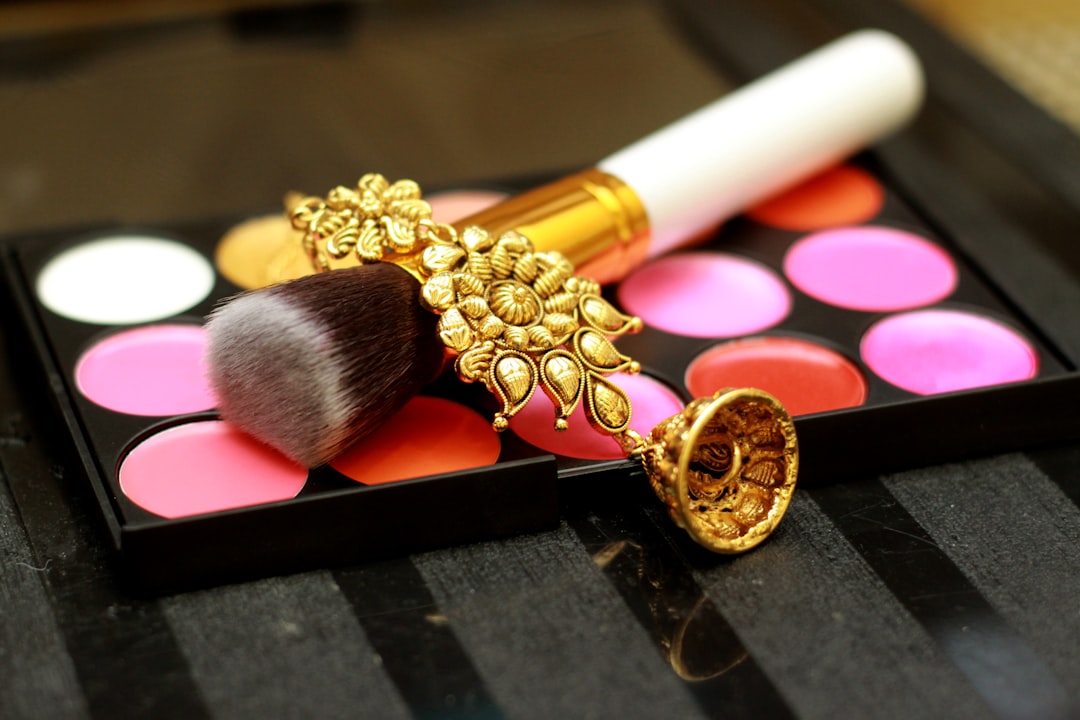
Beauty doesn’t have to drain your wallet. With a few smart choices, you can look and feel polished while keeping expenses in check. If you’re trying to balance self-care with a tight budget, you’re not alone. The right approach can reduce costs while still delivering great results. Below are five practical beauty tips when you’re on a tight budget, plus real-world examples to help you take action today.
Tip 1: Do It Yourself at Home
Many beauty routines don’t require a salon visit to be effective. The key is to focus on the parts that deliver the most impact and learn simple at‑home techniques. For example, you can handle basic nails, hair care, and skincare with gear you already own or can buy once and reuse for months.
- Nail care at home: A basic manicure kit, including a nail file, cuticle stick, clippers, and a topcoat, typically costs $10–$20. A professional manicure can run $20–$40 or more, so a DIY approach saves money and avoids tipping anxiety. If you want a fresh look, practice longer-lasting techniques like careful filing, cuticle care, and a clear or sheer polish that wears well for a week or two.
- DIY facials and masks: You can test inexpensive masks using pantry staples. A simple DIY facial mask with plain yogurt and honey can hydrate and soothe skin for under $5 per treatment. Oatmeal-based masks add gentle exfoliation. Try a weekly 15–20 minute session to keep skin vibrant without paying salon prices.
- Hair treatments at home: A weekly deep-conditioning treatment using coconut oil or a store-bought mask can prevent breakage and dullness. A small tub of coconut oil costs about $6–$8 and lasts several months, providing more than one at-home treatment depending on hair length.
When you’re searching for beauty tips when you’re on a budget, DIY options can carry most of the weight of your routine. The savings aren’t just monetary—the act of taking charge of your own care can feel empowering, too.
Tip 2: Consider Beauty Schools for Services
If you enjoy a salon experience but want to stretch your dollars, beauty schools can be a smart alternative. Students learn by performing services under close supervision, which means you typically pay far less than at a seasoned salon. There are a few practical, low-risk ways to explore this option.
- Look for accredited programs: Reputable cosmetology or esthetics schools have instructors overseeing student work, ensuring safety and quality. Rates often range from $15–$40 for basic services like haircuts, conditioning treatments, or facials, depending on location and service complexity.
- Request model slots during off-peak times: Many schools publish discounted student hours in the late afternoons or weekends. Scheduling during these periods can lead to the best combination of price and service quality.
- Ask about supervision and sanitation: Confirm that a supervising professional is present and that hygiene standards are strictly maintained. A quick call or email can ease any worries before you book.
For many people, these experiences are surprisingly good, and the savings are real. If you’re comfortable with a learner under supervision, it’s a practical way to try new looks without the hefty price tag of a seasoned stylist.
Tip 2 is especially useful for those who want to try bold new styles or seasonal changes without committing to an expensive service. It’s a balanced option that keeps your beauty routine fresh while staying gentle on your budget.
Tip 3: Use Deals, Loyalty Apps, and Smart Shopping
Coupon apps, loyalty programs, and seasonal sales are money-saving mainstays in any budget. The trick is to combine discounts with products that truly add value to your routine, so you’re not buying more stuff you won’t use. Here’s how to maximize every dollar.
- Shop with price history and alerts: Use browser extensions or apps that track price history for cosmetics and skincare. You can wait for a good sale on a product you already planned to buy, which often turns a $12 item into a $6–$8 steal.
- Try multi-use products: A tinted moisturizer with sunscreen or a 2-in-1 cleanser and makeup remover reduces the number of products you need, saving space and money. For example, a drugstore tinted moisturizer with SPF can replace a foundation + sunscreen combo for many users.
- Join loyalty clubs and subscribe wisely: Loyalty programs can yield free samples, birthday gifts, or points toward future purchases. If you’re careful about how often you purchase, you can save 15–25% per year through rewards. Avoid subscribing to every new product—stick to a core routine you already love.
When you’re balancing beauty tips when you’re on a budget, deals are not just about price—they’re about value. Pick products that serve multiple roles and rotate through discounts to keep your routine effective without overspending.
A thoughtful shopping plan reduces waste and helps you stay consistent. With the right approach, you can enjoy a polished look without paying premium prices every month.
Tip 4: Build a Skin- and Hair-First Foundation
The most impactful results often come from prioritizing the basics that keep your skin and hair healthy. When your skin is in good shape, you’ll use less makeup and still look radiant. The same logic applies to hair: healthy strands require fewer styling products and frequent touchups. Here’s a practical plan to maximize impact with fewer products.
- Skin first: Create a simple regimen with a cleanser, a moisturizer suited to your skin type, and sunscreen. If you’re price-conscious, look for a non-comedogenic sunscreen with a broad spectrum SPF 30 or higher at drugstore price points of roughly $8–$15. A dependable cleanser can cost $6–$15, and a basic moisturizer is often $8–$20. This trio forms the backbone of a budget-friendly skincare routine that delivers real results.
- Targeted tweaks without clutter: Add one treatment product at a time—perhaps a retinoid or vitamin C serum—only after you’ve established your core routine. Start with a small bottle (0.5–1.0 oz) to test tolerance and efficacy. Expect to see improvements in skin texture and brightness after 8–12 weeks, which makes the investment worthwhile even on a budget.
- Hair health that lasts: A simple regimen—gentle shampoo, conditioner, and a weekly deep conditioner—can reduce the need for frequent styling products. A bottle of deep conditioner or hair mask costs around $5–$15 and lasts several months with weekly use. Protect hair from heat with a heat-protectant spray (usually $5–$12) to extend color and smoothness between salon visits.
Investing in a strong base means you’ll rely less on novelty products that don’t deliver. This is a classic example of beauty tips when you’re on a budget that focuses on lasting value rather than short-term novelty.
Skincare and hair health aren’t just about looking good today—they’re about reducing long-term costs by preventing damage that requires costly fixes later. A disciplined, sustainable routine is one of the best beauty tips when you’re on a budget.
Tip 5: Create a Capsule Beauty Kit and Embrace Practical Substitutions
Instead of a crowded vanity full of half-used products, a capsule kit keeps your routine clean, simple, and affordable. Think of it as your essential toolbox: a few well-chosen items that cover daily needs with room to rotate as seasons change or as you experiment with new looks.
- Core items to start: A gentle cleanser, a light moisturizer with SPF, a sunscreen (broad spectrum SPF 30+), a lightweight tinted product (like a tinted moisturizer or concealer), a mascara, and a lip product in a neutral shade. You’ll likely spend around $40–$60 upfront on reputable drugstore versions, and you can repurpose products across multiple uses to keep costs down.
- Choose versatile color products: A single shade of lip color that doubles as blush on the cheeks can trim your shopping list. Look for products marketed as multi-use or “one-and-done” options to maximize value.
- Seasonal swaps without waste: Rotate one multi-use item for seasonal looks. In spring, you might swap a light moisturizer for a gel-based formula; in fall, switch to a richer cream. Keeping to a capsule approach minimizes clutter and waste while preserving impact.
- Invest in quality where it matters most: If you’re choosing between a high-quality sunscreen and a budget cleanser, favor the sunscreen. Poor sun protection undermines all other skincare efforts and can cost more in the long run if it leads to sun damage.
With a capsule kit, you reduce the risk of buying products you won’t finish. It also makes it easier to compare value, avoid duplications, and stay consistent with a routine that keeps you refreshed without overspending.
Five simple tips, repeated thoughtfully over time, can yield a strong, budget-friendly beauty routine. Remember, the goal is not to deprive yourself but to maximize the impact of every dollar you spend on your appearance.
Putting It All Together: A Real-World Plan
Let’s translate these five tips into a practical plan you can start this month. Suppose you want to refresh your routine without blowing up your budget. Here’s a ready-to-use blueprint:
- Week 1–2: Audit your current products. Remove anything you rarely use and identify 1–2 items to replace with more versatile options. If you currently buy salon-level polish and a separate remover, replace them with a combined nail-care kit and a simple remover wipe that works with multiple nail shades.
- Week 3–4: Try a beauty school appointment for a haircut or conditioning treatment. Book during a discount window and arrive with one or two photos to communicate your preferred look clearly.
- Month 2: Build your capsule kit with a few core items. Look for bundles or multi-use products that simplify your routine. Track how often each product is used and how long it lasts to refine future purchases.
- Ongoing: Use apps or loyalty programs to monitor deals, and wait for seasonal promotions to buy backup items you already know you’ll use. Maintain a calendar of sale windows to avoid missing discounts.
By applying these steps, you’ll be implementing a sustainable, budget-friendly approach to beauty that aligns with the idea of beauty tips when you’re on a budget. It’s not about cutting corners; it’s about smarter choices that deliver consistent results over time.
Frequently Asked Questions
Q: Is it worth buying cheaper products if I have sensitive skin?
A: Not always. If you have sensitive skin, start with a plan that prioritizes patch testing and hypoallergenic options. Look for fragrance-free formulations and check reviews from people with sensitive skin. Sometimes investing a little more in a gentle cleanser and a stable moisturizer can prevent costly reactions later.
Q: How can I tell if a beauty school is a good option for me?
A: Check the school’s accreditation, ask about supervision, read reviews from past clients, and inquire about sanitation practices. Schedule a short consultation to discuss expectations and the availability of trained instructors. You should feel comfortable with the process and the level of supervision before booking a service.
Q: How often should I replace makeup to stay safe and effective?
A: Mascara and liquid liners should be replaced every 3–6 months, as they can harbor bacteria. Powder products can last longer if kept clean and closed tightly, but inspect for changes in texture or odor. A good rule of thumb is to rotate products within the one-year mark, replacing anything that looks or smells off.
Q: What if I want to upgrade my routine later on?
A: Start by adding one higher-quality item at a time, such as a better sunscreen or a multi-use product with SPF. Test the item for at least 2–3 weeks before replacing another. This phased approach helps you maintain budget discipline while gradually improving your routine.
Conclusion
Beauty tips when you’re on a budget don’t require you to forgo self-care or abandon your personal style. With a strategic mix of at-home routines, affordable professional options, smart buying, and a streamlined capsule kit, you can achieve a polished look without overspending. The goal is to maximize value—maximize results, minimize waste, and protect your health along the way. Whether you’re saving for a big goal or simply trying to stretch each paycheck, these five tips provide a practical roadmap to beauty that respects your finances.




Discussion