
Introduction: Why frugal travel tips from seasoned flyers matter
Travel budgets can balloon fast, even for occasional explorers who fly a couple of times a year. You might assume that the everyday traveler pays more simply because they fly less, but the truth is that a few smart habits can dramatically cut costs without compromising convenience or safety. The idea behind frugal travel tips from frequent flyers isn’t to scrimp on basics; it’s to optimize every dollar you spend from the moment you buy your ticket to the moment you land back home. In this guide, you’ll learn six practical strategies that real travelers use to keep a lid on costs while still enjoying reliable schedules, comfortable accommodations, and smart planning.
Tip 1: Travel light and pack smart
Why this matters
Checked bag fees are one of the most predictable drains on an infrequent traveler’s budget. Even small carriers can charge $30–$40 for the first checked bag, and overweight or extra bags can push that cost higher. When you travel with only a carry-on and a personal item, you bypass most of these fees entirely and gain speed through security. This isn’t just about saving a few dollars—it’s about shaving hours off your travel day and reducing the risk of lost luggage.
How to do it
- Use the carry-on only rule: 1 suitcase that fits in the overhead bin and 1 personal item (purse, laptop bag, or small backpack).
- Dress for versatility: choose pieces that mix and match, layer for warmth, and compress with packing cubes.
- Plan outfits around known weather and activities. If you’re visiting multiple cities, pick neutrals that work with every look.
- Weigh your bag before you leave. A typical carry-on should stay under 15 pounds (7–7.5 kg) to avoid extra screening or trim costs for heavier options.
- Ship items you don’t need to your destination in advance when feasible, or borrow from friends if you’re staying with someone locally.
Real-world example: A traveler who packs light and uses a single carry-on for a week-long business trip can save $70–$140 by avoiding the first checked bag on both legs of a domestic flight, depending on the airline’s fee structure. Across several trips in a year, that adds up quickly.
Tip 2: Park far away from the terminal—and plan your ride
Why this matters
Airport parking is a stealthy expense that tends to creep up on travelers who don’t plan ahead. On-site airport lots can run $25–$40 per day, while off-site options often price out at $8–$15 per day. The savings aren’t just per day—they compound fast when you’re dropping off a car for a week or more.

How to do it
- Compare off-site parking with airport lots before you drive. Book in advance if the vendor offers a discount for prepayment.
- Consider alternatives: rideshares, public transit, or asking a friend for a drop-off if you’re not lugging heavy luggage.
- If you must park on-site, choose the long-term lot rather than the short-term near the terminal, then walk or shuttle to arrivals. The difference in daily rate can be dramatic.
Real-world example: For a five-day trip, airport parking might cost $125–$200. An off-site lot a mile away, with a shuttle, could be just $40–$80 total if booked in advance. If you’re traveling with a friend or partner, the per-person savings amplify even more.
Tip 3: Avoid the airport food trap—plan smart meals
Why this matters
Airport dining is notoriously overpriced. A basic sandwich can easily cost $12–$15, and sit-down options frequently exceed $18–$25 per person. The “captive audience” effect makes it easy to overspend when hunger strikes between connections or after a long security line.
How to do it
- Eat before you arrive at the airport or pack energizing snacks (nuts, protein bars, fruit).
- If you must eat in the terminal, choose grocery-store or fast-casual options outside security and carry your own bottled water.
- Plan to stay hydrated with a refillable bottle. Hydration reduces fatigue and supports quicker post-flight recovery, especially on long-haul journeys.
- Consider lounge access if you have it—some premium cards or airline programs offer day passes that make a more comfortable, cheaper alternative to airport eateries, especially on long layovers.
Real-world example: A traveler who brings a mix of nuts and fruit can avoid several takeaway purchases worth $10–$20 each, easily saving $60–$100 per cross-country trip if you typically snack at the gate for two meals on the way out and back.
Tip 4: Time your ticket purchase and travel like a pro
Why this matters
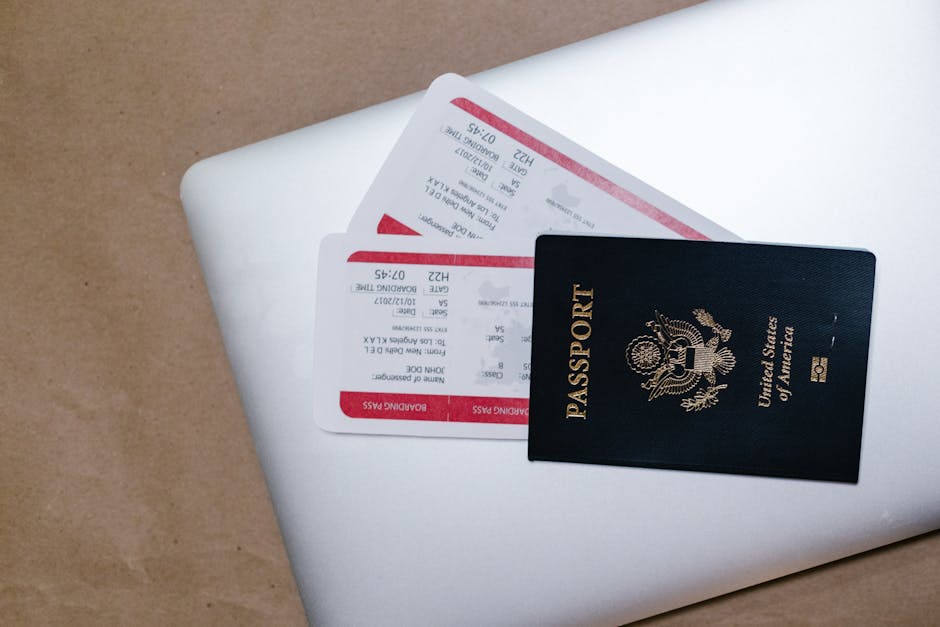
Flight prices move in predictable cycles, influenced by demand, holidays, and timing. A little timing can yield big savings. Instead of buying last-minute, you can find better fares by learning when to search, which airports to compare, and which days of the week tend to be cheaper.
How to do it
- Set price alerts on multiple platforms (Google Flights, Skyscanner, Hopper) to catch dips as soon as they appear.
- Be flexible with dates and airports. If your destination has multiple airports, compare each one; sometimes a short drive to a different airport can trim hundreds of dollars off a round trip.
- Shop in the middle of the week. Data from multiple sources shows that most domestic fares dip on Tuesdays and Wednesdays, with some savings in the 7–15% range compared with weekend departures.
- Book in advance for peak seasons, but don’t lock in too early for off-peak weeks. The sweet spot is typically 6–12 weeks out for domestic trips and 2–6 months for international voyages, depending on the route.
Real-world example: A domestic round trip that routinely lists at $350 can drop to $260–$290 during a midweek departure window if booked 6–8 weeks ahead, a 15–25% savings that compounds with other cost-cutting strategies.
Tip 5: Build value with loyalty programs and travel rewards cards
Why this matters
Loyalty programs aren’t just for frequent flyers. Even occasional travelers can accrue meaningful benefits—free checked bags, priority security lines, lounge access, and bonus miles for travel purchases. A thoughtfully chosen credit card can provide automatic credits or statement reimbursements that offset common travel expenses.
How to do it
- Join airline and hotel loyalty programs. You don’t need to fly every week to accumulate points when you’re strategic about redemptions.
- Evaluate co-branded credit cards. Look for cards with upfront bonuses, decent annual fees, and travel credits that align with your typical trips. A 40,000–100,000-mile welcome bonus can jump-start your next vacation without waiting for months of travel activity.
- Pair a card with perks you’ll actually use: free checked bags, lounge access, priority boarding, or annual travel credits.
- Track expiration dates and schedule redemptions that maximize value. Don’t let points sit unused for years.
Real-world example: A traveler who signs up for a travel-rewards card with a $300 annual travel credit and 60,000 points at signup could effectively offset the card’s annual fee in the first year by using the credits toward a few domestic flights and hotel nights. Over time, accumulated miles can reduce out-of-pocket travel costs by hundreds, if not thousands, per year.
Tip 6: Anticipate and manage fees—your shield against surprise costs
Why this matters
Hidden fees are the quiet budget killer of air travel. Beyond bags, you’ll encounter charges for seat selection, change fees (where applicable), and sometimes even basic amenities like printing your boarding pass at the airport. A small misstep can add up quickly, especially if you’re traveling with family or on a tight timeline.
How to do it
- Read the fare rules before you buy. If you don’t need a change, choose the least expensive fare class and avoid change penalties when possible.
- Preference seating or extra legroom can be worth it if you’re tall or traveling with children, but compare the price against what you could save by sticking with standard seating and choosing a later carry-on option.
- Prepay for services when possible, like seat selection or a basic meal if you know you’ll want it. Bundling these can sometimes be cheaper than paying a la carte at the airport.
- Use airline fee credits from credit cards to cover some of these extras, turning marginal costs into reimbursed benefits.
Real-world example: A family of four could easily face four separate $25–$50 seat-change fees in a single trip if plans shift. By choosing a fare with free seat selection or by booking once with a flexible option and paying a modest upgrade only when necessary, they could save $100–$200 across a multi-city itinerary.
Putting it all together: a sample six-tip plan for a family of four
Let’s imagine a practical scenario: a family plans a 7-day cross-country road-to-air trip with two flights and a hotel stay. They want to keep costs predictable and avoid the drama of last-minute price jumps. Here’s how they could apply these six frugal travel tips from frequent flyers:
- They pack with the 1 carry-on + 1 personal item rule, using packing cubes, choosing versatile outfits, and shipping one item to the destination if needed.
- They compare off-site parking near the airport, book in advance, and arrange a rideshare for airport-to-parking transfers, saving hundreds across the trip.
- They prepare snacks, refillable bottles, and budget-friendly meals outside the terminal, reserving lounge access for a portion of the travel day if it makes sense financially.
- They monitor fares online with multiple alerts and choose midweek departures and an affordable alternate airport, potentially cutting hundreds off the total price.
- They enroll in airline and hotel loyalty programs and consider a flexible travel rewards card that fits their spending pattern, earning points toward free flights or hotel nights.
- They review fare rules to minimize extra fees on seats and changes, prepay for necessary services only when it adds clear value, and use credits to offset costs.
By weaving these six frugal travel tips from frequent flyers into a single trip plan, the family keeps total costs manageable while maintaining a comfortable travel experience. The savings aren’t pie-in-the-sky numbers; they’re real-dollar differences you can apply to other trips, year after year.
Conclusion: Small habits, big savings on every trip
Smart budgeting for travel isn’t about stripping away comfort. It’s about intentionally choosing where to spend and where to save, guided by the same discipline that frequent travelers use to maximize value. The six frugal travel tips from frequent flyers above offer a practical framework you can apply today—from packing lighter to mastering fare timing, from leveraging rewards to avoiding hidden fees. With consistent practice, you’ll notice meaningful improvements in your travel budget without compromising safety, reliability, or enjoyment.
Frequently Asked Questions
Q1: How can I start using these frugal travel tips from frequent flyers without feeling overwhelmed?
A1: Start with one or two changes per trip—pack light and set a fare alert. As you gain confidence, add parking comparisons and loyalty-signups. Small, steady steps compound into big savings over time.
Q2: Are travel rewards cards worth it if I don’t travel often?
A2: They can be, especially if the card offers a strong signup bonus and flexible redemption options. Look for cards with clear travel credits and no heavy annual fee initially, so you can test the value before committing long-term.
Q3: How do I choose the right airport for cheaper fares?
A3: Compare all airports within a reasonable driving distance. A shorter flight isn’t always cheaper once you factor in parking, transit to the city, and potential hotel stays around an inconvenient layover. Use fare calendars and multi-airport searches to find the sweet spot.
Q4: How can I keep hidden fees from wrecking my travel budget?
A4: Read fare rules before buying, avoid optional extras you don’t need, and consider bundles that include seat selection or baggage. If you’re uncertain, call the airline to confirm what’s included with your ticket instead of assuming everything is the same across fare types.


Discussion