
Capitol Hill Moves to Curb Military Prediction Markets
A surge in after $679 million iran bets on U.S.-linked military action has triggered a broad push on Capitol Hill to rein in the most politically sensitive corners of prediction markets. Lawmakers argue that war-related wagers distort policy incentives and risk misuse of nonpublic information, making the sector ripe for tighter oversight.
As of this week, the total value tied to Iran-focused military events has drawn intense scrutiny from both parties. The spike illustrates how quickly financial bets can ride headlines and influence public perception during moments of geopolitical tension.
What the Data Shows
The latest figures show a concentrated wave of activity around two main contract types. In total, roughly $679 million in bets have been placed on Iran-related events in the past week across major platforms.
- About $529 million targets the timing of potential attacks connected to U.S.-Israel actions.
- Roughly $150 million hinges on whether Iran’s Supreme Leader would be removed from power.
The size of these bets helps explain why lawmakers are alarmed. The surge around after $679 million iran bets has become a flashpoint for debates over whether markets should even list contracts tied to war and leadership changes.
Analysts note that a small group of accounts profited sharply in the run-up to the strikes. Blockchain analytics firm BubbleMaps reported that about 10 accounts generated roughly $1.4 million in profit on Polymarket bets funded in the hours before the actions occurred.
Two Legislative Tracks Take Shape
Several Democratic lawmakers are pursuing parallel paths to curb or constrain the most contentious corners of prediction markets tied to military action.
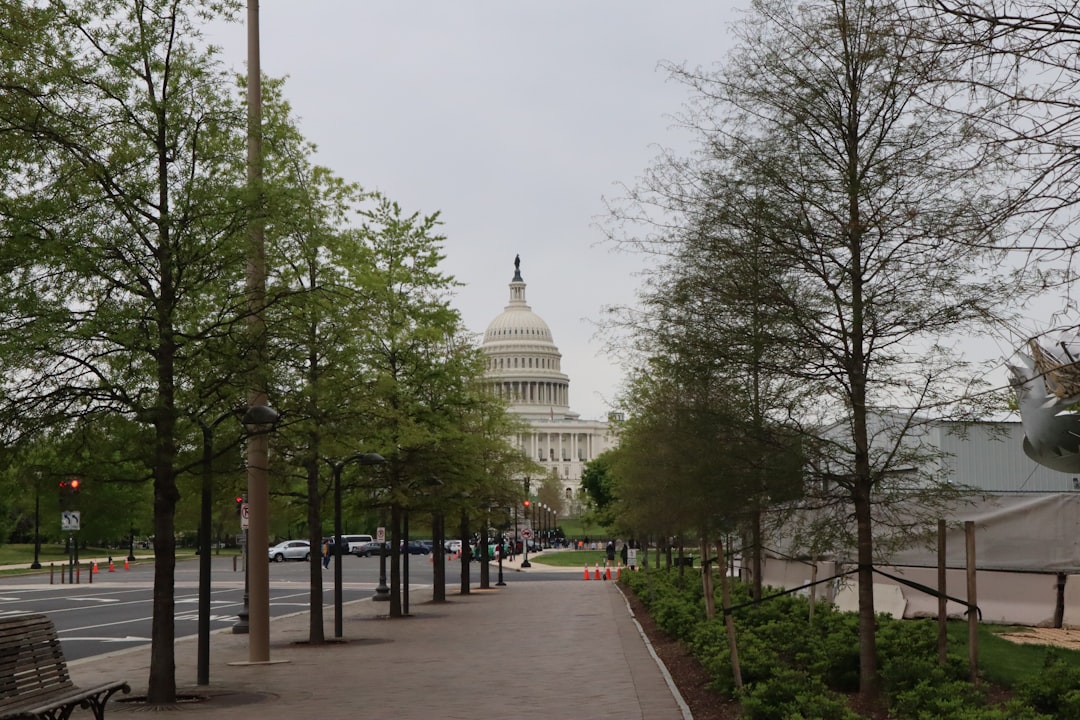
- Targeted war-bet restrictions: A coalition led by Rep. Mike Levin and Sen. Chris Murphy is focusing on contracts linked to armed conflict, arguing some bets should never have appeared on prediction markets in the first place.
- Trading bans for officials: Senators Jeff Merkley and Amy Klobuchar are proposing to bar elected officials and senior executive branch personnel from trading event contracts altogether, aiming to close potential conflicts of interest.
In a statement, Senator Klobuchar said, “Public trust hinges on keeping markets from turning policy into profit.” Rep. Levin added, “We cannot allow war to become a financial instrument for political advantage.”
The CFTC’s Broad Rulemaking Path
Even as Congress moves to restrict or ban certain prediction-market activity, the Commodity Futures Trading Commission (CFTC) is preparing a broader rulemaking that could chart a middle path. Regulators say they want to preserve legitimate market functions while tightening safeguards around sensitive bets.
Industry observers expect the CFTC to release proposed rules in the coming months, with possible grandfathering provisions that allow some markets to operate under clearer rules rather than a full shutdown. The move signals a shift from outright bans to a more nuanced regulatory framework that still targets national-security risk signals.
What This Means for Crypto-Linked Markets
The debate arrives at a moment when prediction markets linked to crypto platforms are under renewed regulatory scrutiny. The controversy around after $679 million iran bets has highlighted how quickly crypto-enabled venues can become politically charged marketplaces for real-world events.
Market participants say the key challenge is balancing transparency and innovation with protections against manipulation and the misuse of information. As policymakers weigh proposals, industry groups are urging clarity to avoid stifling legitimate risk-trading on neutral platforms while ensuring robust guardrails for sensitive outcomes.
Investor and Public-Policy Impacts
For investors, the unfolding policy debate could shape the legality and liquidity of prediction markets tied to geopolitics. A clearer framework may attract more participants who want to hedge event risk, while reducing the chance that war-related bets become convenient channels for spreading or exploiting nonpublic information.
The timing of policy action matters. With a volatile global backdrop, the rulemaking and legislative actions could influence crypto-related derivatives, platform incentives, and the overall risk profile of speculative markets tied to national security events.
Key Data Points in Focus
- Total Iran-related bets in the past week: $679 million
- Bets tied to timing of attacks: Approximately $529 million
- Bets on leadership removal (Iran’s Supreme Leader): Approximately $150 million
- Notable profits: About $1.4 million earned by roughly 10 accounts before strikes, per BubbleMaps
Conclusion: A Turning Point for Prediction Markets
The surge around after $679 million iran bets has driven lawmakers to act, even as regulators seek to refine a legal path for a broad swath of prediction markets. The convergence of national-security risk, insider-information concerns, and platform incentives has created a moment of reckoning for this niche of the crypto world.
As the CFTC debates a comprehensive rulemaking and Congress advances targeted bans, the outcome will shape how closely markets can continue to price events tied to military action. The goal is a balanced approach that protects the public interest without stifling legitimate financial tools in the evolving crypto landscape.



Discussion