Bitcoin ATMs: The Last Stop in a $11B Scam Pipeline
Fraud investigators say bitcoin atms becoming last stop in a sprawling online-to-offline scam ecosystem. In 2025, U.S. fraud losses tied to cryptocurrency exceeded $11 billion, and the number of related complaints surged, highlighting how the final cash-to-crypto transfer happens in plain sight at a corner store or gas station.
Experts describe a funnel where an online ruse—fake bank alerts, cloned voices, or social-engineering messages—push victims toward a physical transaction. The last step, executed at a crypto kiosk, locks in the loss in seconds and makes it hard to recover funds.
What Is Driving the Final Step
Industry clinicians and law-enforcement officials point to the kiosk as a pressure point. Once the cashier hands over cash and scans a QR code, the money moves into a wallet controlled by the scammer, often outside traditional banking rails. The moment the cash is exchanged for crypto, the victim loses control of the asset and the window to intervene closes.
The kiosks sit at the intersection of convenience and risk. They’re ubiquitous, located in grocery aisles or convenience stores, making a high-stakes transfer feel routine. That proximity, coupled with real-time transfers, accelerates the fraud cycle in a way that online fraud alone cannot replicate.
Numbers Behind the Trend
- FBI IC3 2025: 181,565 cryptocurrency-related complaints with losses exceeding $11 billion.
- Overall 2025 IC3 data: 1,008,597 total complaints and nearly $21 billion defrauded by cyber-enabled crimes.
- Kiosk-focused data: 13,460 complaints involving crypto kiosks in 2025, with adjusted losses around $389 million.
- AI-driven schemes contributed nearly $893 million in losses in 2025.
Analysts emphasize that the rise of generative AI tools has enabled scammers to craft convincing deceptions and pressure tactics that push victims toward the kiosk. A law-enforcement official noted, “what drives these cases is the perception that time is short and money must move now.”
How the Fraud Path Feeds the Kiosk Market
The online-to-offline transition is simple in practice. Scammers cultivate fake identities, issue urgent threats or promises, and guide victims to withdraw cash and complete a crypto purchase at a nearby kiosk. In many cases, the scammer remains on the line throughout the process, creating a sense of authority and urgency that disrupts normal decision-making.
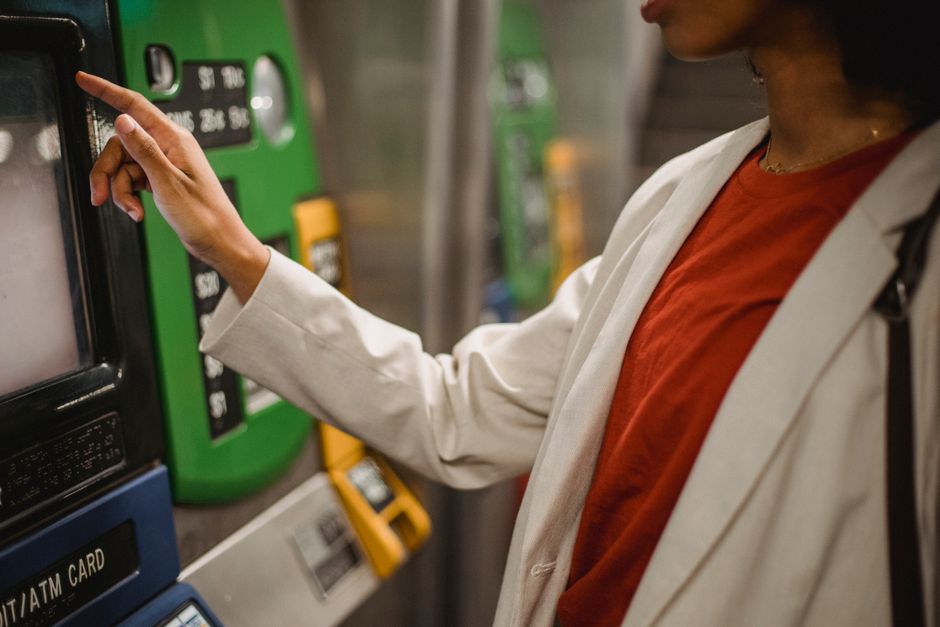
From the victim’s point of view, the kiosk represents a guaranteed, immediate payoff—an irreversible step that avoids traditional banking safeguards. That immediacy is precisely what attracts criminals and squeezes victims into a narrow window of opportunity for intervention.
Regulatory and Industry Response
Regulators are taking a harder look at crypto kiosks as the last leg of the fraud chain comes into sharper focus. State and federal authorities are weighing tighter Know-Your-Customer (KYC) checks, stricter location rules, and more robust tamper-resistance for machines. The goal is to slow or prevent the cash-to-crypto conversion that often flags the end of a scam.
Industry groups are also moving to bolster transparency around kiosk operators, including clearer disclosures of fees, exchange rates, and dispute resolution options. Some operators have begun piloting enhanced redemption limits and real-time red-flag alerts to catch suspicious activity before a transaction completes.
What Consumers Should Know
Consumers are urged to treat any unexpected outreach with caution. If you suspect you’re being targeted, do not engage beyond hanging up or closing a chat. Do not rush toward a kiosk or share private identifiers.
Key safeguards to consider include verifying the merchant's legitimacy, avoiding rapid-fire transfers if a salesperson pressures you, and using regulated platforms for any crypto activity rather than kiosk-based purchases alone.
The Bottom Line
The pattern of bitcoin atms becoming last stop in the scam chain underscores the evolving risk landscape for crypto consumers. With losses mounting and fraud methods growing more sophisticated, government, industry, and consumers must collaborate to add friction at the final step before funds become untouchable.
As regulators expand oversight and kiosk operators improve controls, the hope is to turn the last stop into a choke point for fraud rather than a funnel that dumps cash into criminal hands. The data from 2025 paint a clear picture: the end of the fraud pipeline remains a critical opportunity for intervention, even as the mechanics of deception continue to advance.
For now, the trend of bitcoin atms becoming last stop highlights why these kiosks are under intensified scrutiny and why improved consumer awareness is essential in the crypto era.

Discussion