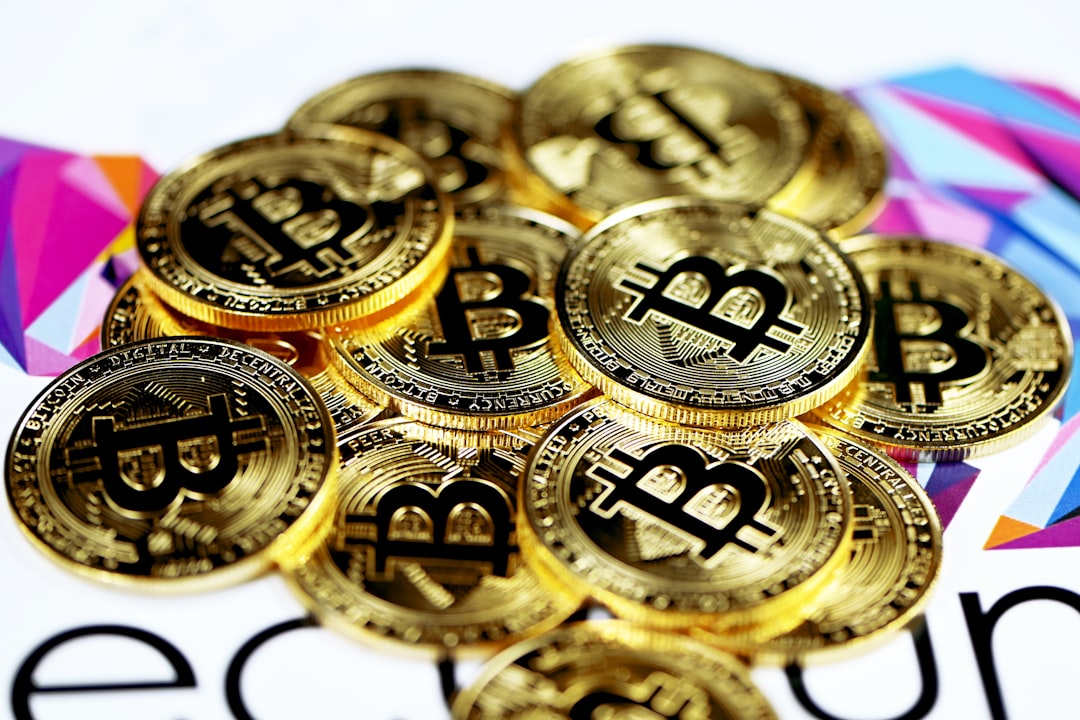
Geopolitical Tensions Spark Sell-Off in Bitcoin
Markets opened with renewed caution as fresh geopolitical threats dominated headlines. Bitcoin traded around $68,700 yet briefly dipped toward $68,000 during the session, underscoring the crypto market’s sensitivity to global risk sentiment. The move comes after a period of relative stability for digital assets, suggesting traders are recalibrating expectations in light of escalating tensions in the region.
Analysts note that crypto has increasingly behaved like a risk-off asset when political threats intensify, even as it sometimes benefits from demand as a hedge against conventional market volatility. The latest price action fits a pattern where macro headlines drive quick repricings, even as longer-term narratives around adoption and infrastructure resilience remain intact for many investors.
In the backdrop, traditional markets showed a mixed reaction. Equity futures in the United States and Europe traded narrowly mixed, while volatility gauges ticked higher in late session trade. The disconnect between headlines and some measured macro indicators kept traders guessing about the durability of any near-term pullback in bitcoin.
Price Action: From $70k to $68k in a Single Session
The intra-session move translated into a sharp, albeit short-lived, pullback. Bitcoin fell roughly 2.5% from near $70,500 earlier in the day to flirt with the $68,000 level before a modest rebound pushed content back toward the mid-$68,000s. By late afternoon, the price hovered around $68,700, down from the close of the prior session.
Only a few weeks ago, many market observers had been crediting bitcoin with resilience against geopolitical risk, noting that flows into digital assets were rising as investors sought diversified exposure. The latest swing suggests volatility is back in focus as headlines evolve and traders reassess risk budgets.
Market Context: Crypto as a Risk Asset in Turbulent Times
Crypto markets have a history of amplifying macro shocks, and the current price action fits that mold. Some traders argue that the sector remains sensitive to headlines, liquidity conditions, and the pace of central-bank policy normalization. Others emphasize persistent longer-term drivers—institutional interest, improved custody and regulatory clarity, and growing merchant adoption—that could cushion sustained declines.
One veteran crypto strategist said the move is less about a fundamental shift in technology or adoption and more about a re-pricing of risk in an uncertain geopolitical climate. 'When risk appetite takes a hit, bitcoin tends to move with other risk assets, even if its long-run trajectory remains intact,' the strategist noted on condition of anonymity.
What This Means for Traders Right Now
- Support and resistance: The $67,000–$69,000 area remains a focal point for traders attempting to define near-term momentum.
- Market participation: Volume on major spot and futures venues remained robust enough to signal continued interest, but traders are showing caution and tighter stop losses as headlines swirl.
- Risk management: A number of funds and hedge desks tightened risk controls, shifting to hedges and liquidity protection as volatility re-emerges.
Investors are also weighing how much of the current move is geopolitical noise versus the start of a broader risk-off regime. In the near term, market participants are watching for any additional statements from policymakers, new sanctions developments, or credible signals about escalation or de-escalation pathways.
To the skeptics, the bounce back toward the mid-$68,000s is a sign that buyers remain ready to step back in on any stabilization. To the optimists, this is a volatile but manageable correction within a larger recovery narrative for digital assets—a narrative that still features rising institutional engagement and the gradual maturation of the market infrastructure.
Looking Ahead: Geopolitics, Liquidity, and Bitcoins Path Forward
Analysts say the coming sessions could hinge on three interlinked factors: how geopolitical headlines evolve, how global liquidity conditions shift as central banks navigate inflation versus growth, and whether a sustained bid returns as market makers reprice risk premiums for crypto assets.
In this context, the following scenarios are plausible:
- If tensions cool or a credible de-escalation path emerges, bitcoin could stabilize near the $68,000 level and test $69,000 to $71,000 in a cautious rebound.
- If threats escalate or new sanctions tighten energy and supply chains, the downside risk could extend toward the $66,000 area or lower, depending on liquidity and overall market sentiment.
- Beyond the immediate price move, sector dynamics such as improved on-ramps and regulatory clarity could help re-anchor bitcoin and other crypto assets to a longer-term value proposition.
Crucially, the market remains focused on liquidity and macro signals. The crypto market’s sensitivity to macro headlines remains a defining characteristic, even as fundamentals around technology, security, and use cases continue to evolve. The latest price pressure underscores that bitcoin crashes $68,000 threats to test critical levels, a reminder that even a historically differentiated asset can be pulled into broader market risk cycles when headlines turn sour.
Key Data Snapshot
- Bitcoin price: around $68,700, after a dip near $68,000
- Intraday low: near $68,000; intraday high: around $70,500
- 24-hour change: roughly -2.5% to -3.0% depending on venue
- Volume (crypto spot and futures): approximately $25B–$30B combined
- Market context: risk assets broadly showing cautious trading, with volatility higher than in the quiet mid-month period
Bottom Line
As the global political landscape remains in flux, bitcoin remains a pulse on risk appetite. The current price action—marked by a dip toward the $68,000 region after geopolitical threats escalated—signals that traders are leaning toward caution. Whether this is a meaningful shift in market structure or a temporary air pocket will depend on how headlines evolve over the next sessions and how quickly liquidity returns to normal in crypto markets.
Bitcoin crashes $68,000 threatens to redefine near-term risk sentiment, but the longer-term story for digital assets remains intact for many investors who see growing mainstream adoption and a broader set of use cases alongside improved market infrastructure.

Discussion