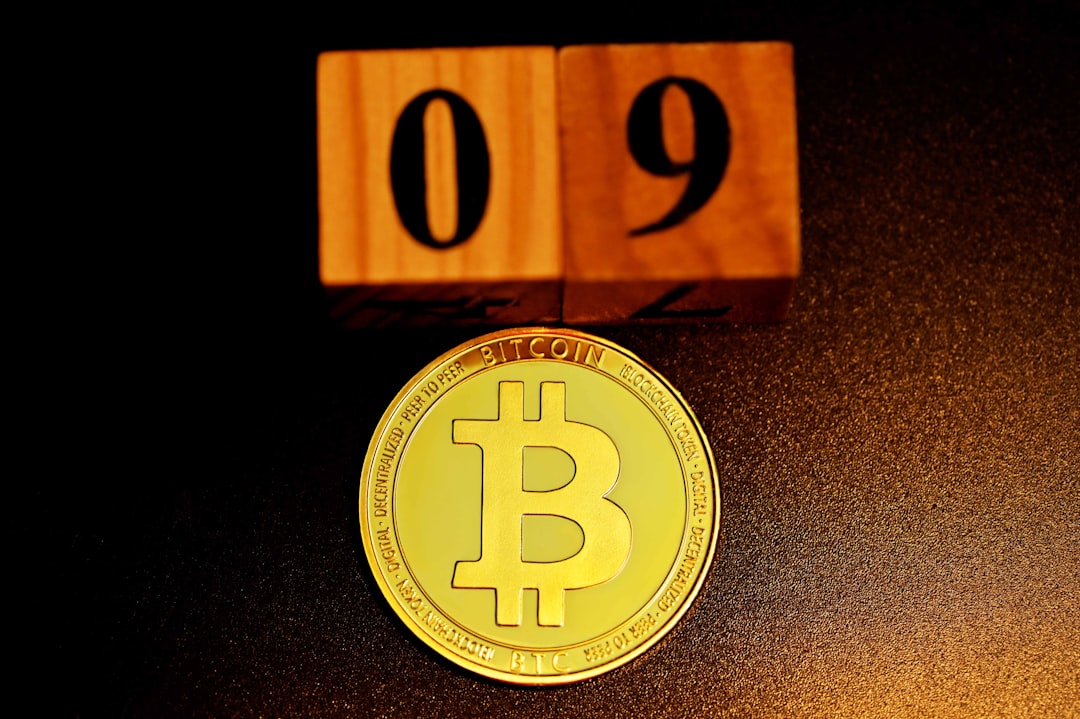
Breaking Claim: Unverified Hormuz Platform Circles Crypto Debate
Global shipping and crypto markets are parsing unverified reports that Iran is testing a platform, dubbed Hormuz Safe, intended to settle vessel insurance premiums in Bitcoin for ships passing through the Strait of Hormuz. A state-aligned outlet cited an Economy Ministry document and described a mechanism that could generate more than $10 billion in annual revenue. The story, first published by an IRGC-affiliated news agency, has not been independently corroborated by formal government channels.
The reports describe a publicly facing site with a Coming Soon banner and language touting fast, cryptographically verifiable insurance paid in Bitcoin. Yet there is no government press release, regulatory briefing, or gazette entry confirming the launch or operations. The lack of official confirmation is a central thread in how investors and operators are weighing the claim against a backdrop of prior crypto-related scams tied to Hormuz clearance messages.
What Is Being Claimed
According to the outlet, Hormuz Safe would let shipping companies buy insurance for transit through a narrow, high-stakes sea lane using Bitcoin as the settlement currency. The document cited by the coverage suggested the Economy Ministry has been developing the mechanism since early May, with projected revenue estimates exceeding $10 billion. The site’s text emphasizes speed and cryptographic security as selling points, positioning the product as a new form of digital insurance tied to a critical global route.
Principally, the claim is that a crypto-enabled insurance contract could be executed, settled and publicly verifiable on a blockchain, cutting through some traditional procedural frictions. The concept — at least in its public-facing description — envisions Bitcoin as a settlement token in a sector where risk and timing are paramount, and where sanctions and regulatory actions have previously complicated finance flows.
Context and Caution: Historical Warnings
Market participants are not treating the claims as fact. In April, MARISKS, a Greek maritime risk consultancy, warned shipping companies about fraudulent messages that impersonated Iranian authorities and demanded Bitcoin or USDT payments for Hormuz clearance. A well-documented incident involved a vessel firing on a target reportedly acting on a fraudulent safe-passage directive. The episode underscores why buyers and sellers should demand independent verification before acting on crypto-related payment requests tied to Hormuz.
Even if a legitimate mechanism exists, experts stress that any official rollout would require regulatory sign‑offs and transparent oversight. The absence of a formal government confirmation has kept investors cautious, with some analysts noting that the claim’s strategic implications could be significant if verified, while others view it as a potential test bed for scams or coordinated misinformation in a volatile crypto landscape.
Why It Matters: The Market, The Point, The Risk
At stake is a broader question: can Bitcoin or other digital assets function as neutral money in high‑friction, regulated maritime commerce? If a validated Hormuz Safe-style arrangement ever clears the operational and legal hurdles, it could push crypto into a more institutional role in global trade finance. Supporters argue that a cryptographically verifiable insurance contract, settled in Bitcoin, could reduce settlement lags, enhance auditability, and dampen counterparty risk through transparent, time-stamped records.
But skeptics warn that the strategic chokepoint represented by Hormuz is uniquely sensitive to politics, sanctions, and sanctions‑evasion concerns. Any attempt to introduce crypto-based settlements would draw intense scrutiny from central banks and financial regulators, who remain wary of volatility, sanctions exposure, and the potential for illicit use. The tension between innovation and control is exactly the kind of pressure test proponents say could define crypto’s role as neutral money in real-world trade.
Key Data Points And What They Could Mean
- Global commodity flow through Hormuz: roughly one-fifth of the world’s oil and LNG passes through the Strait of Hormuz, under normal conditions.
- Projected revenue cited in the report: more than $10 billion annually if the platform becomes operational.
- Public-facing assets: a website with a Coming Soon page suggests a publicly visible product, even as no regulator has confirmed launch details.
- Regulatory backdrop: no official confirmation from the Economy Ministry or other government authorities as of mid‑May, 2026.
- Market risk signals: prior spoofing attempts and scam alerts have heightened vigilance around crypto-based Hormuz communications.
These data points illustrate both potential impact and risk. If substantiated, the initiative could accelerate crypto’s exposure to mainstream shipping finance. If not, the episode could reinforce the idea that misinformation and scams thrive where geopolitical risk intersects with crypto hype.
Bitcoin Hormuz Payments Ship: Implications For The Neutral Money Thesis
Proponents of Bitcoin’s role as neutral money point to the asset’s borderless settlement properties as an advantage in cross-border trade. The Hormuz context is a litmus test: would a trusted, government-backed crypto settlement mechanism erode or reinforce the case for crypto as a globally accepted medium of exchange? The current situation suggests a nuanced answer. In the absence of official verification, Bitcoin remains a speculative instrument in a highly regulated, geopolitically charged corridor.
Markets are watching: a verified Hormuz Safe framework could imply new liquidity channels, standardized insurance risk pricing, and sharper governance for crypto-enabled settlements. Critics counter that even a partially official protocol would still face currency risk from Bitcoin’s price swings, operational risk from cyber and network issues, and legal risk from sanctions and export controls.
What Comes Next: How to Track The Story
The following steps will likely determine whether bitcoin hormuz payments ship becomes a real development or a footnote in crypto lore:
- Official confirmation: any statement from the Economy Ministry or the central bank would radically alter narrative dynamics.
- Independent audits: third-party validation of a proposed insurance framework, including risk pricing and settlement mechanics, would be essential.
- Regulatory clarity: guidance on cross-border crypto settlements in the maritime sector, especially under sanctions regimes, would shape adoption likelihood.
- Market reaction: lenders, insurers, and brokers will price in the governance, liquidity, and legal risk surrounding crypto-based ship insurance.
Until those steps occur, industry watchers advise treating the story as a high-stakes hypothesis rather than a confirmed product. The phrase bitcoin hormuz payments ship remains a focal point for debates about crypto’s potential as neutral money in critical global trades, but the path from rumor to reality is still uncertain.
What Investors Should Watch In The Near Term
Given the sensitivity of Hormuz-linked claims, investors should monitor official communications, regulatory filings, and independent analyses. The absence of a formal rollout means the market should beware volatility around related headlines. In the short run, liquidity could swing on sentiment rather than on fundamentals, as crypto markets often do when geopolitics intersects trade finance.
In summary, the bitcoin hormuz payments ship storyline encapsulates a central paradox for crypto: the same infrastructure that promises faster, auditable settlements may still require robust governance and credible endorsements to overcome political and regulatory scrutiny. Whether this remains a hypothetical, or evolves into a verifiable framework, depends on what authorities disclose and how the ecosystem responds to risk disclosures and market signals.
Discussion