
Whales Build Giant BTC Position as Demand Cools
Bitcoin shifted into a new phase in mid-February 2026, as on-chain data show whales increasing their holdings by roughly 200,000 BTC over the past 30 days. The move comes even as spot liquidity and momentum traders retreat from aggressive buying, leaving price action to be shaped by a mix of long-term accumulation and short-term selling pressure.
As of Feb. 19, 2026, Bitcoin was trading in a tight range around the high $60,000s to low $70,000s, with CryptoSlate and other trackers placing the midway price near $68,000. The relative disconnect between on-chain accumulation and macro-driven price action points to a market that may be rerooting its supply dynamics, rather than a simple bounce from a single catalyst.
On-Chain Signals: What the 200K BTC Adds Mean
- Whale balance: Approximately +200,000 BTC added in the last month, signaling a shift in ownership concentration toward large holders.
- Price context: BTC hovered around $67,000-$69,000 in mid-February, with volatility skewed toward outsized swings when liquidity dries up.
- Underwater holders: A growing share of recent buyers sits below their break-even levels, suggesting that even small price recoveries could trigger selective selling into strength.
- Market mechanics: Analysts describe the move as a three-stage unwind—long-term holders accumulating, a period of consolidation, then renewed volatility driven by reflexive flows and leverage dynamics.
Analysts caution that the whale accumulation does not automatically translate into immediate price gains. A rising concentration of supply in the hands of a few large accounts can, paradoxically, cap upside if those holders decide to monetize into a rally rather than hold into a breakout.
“What we’re seeing is a classic balance shift,” said a senior analyst at MarketPulse Analytics. “Whales are stocking up while shorter-term buyers are sitting on the sidelines, and that creates a ceiling near key resistance levels.”
Price Dynamics: Why the Up Moves Are Fading
Market participants point to a combination of technical resistance and macro headwinds. Short-term demand has cooled at levels that previously drew outsized bids near $75,000 to $80,000. When price approaches these zones, a tranche of underwater positions tends to exit to break even, turning potential bounce efforts into supply pressure.
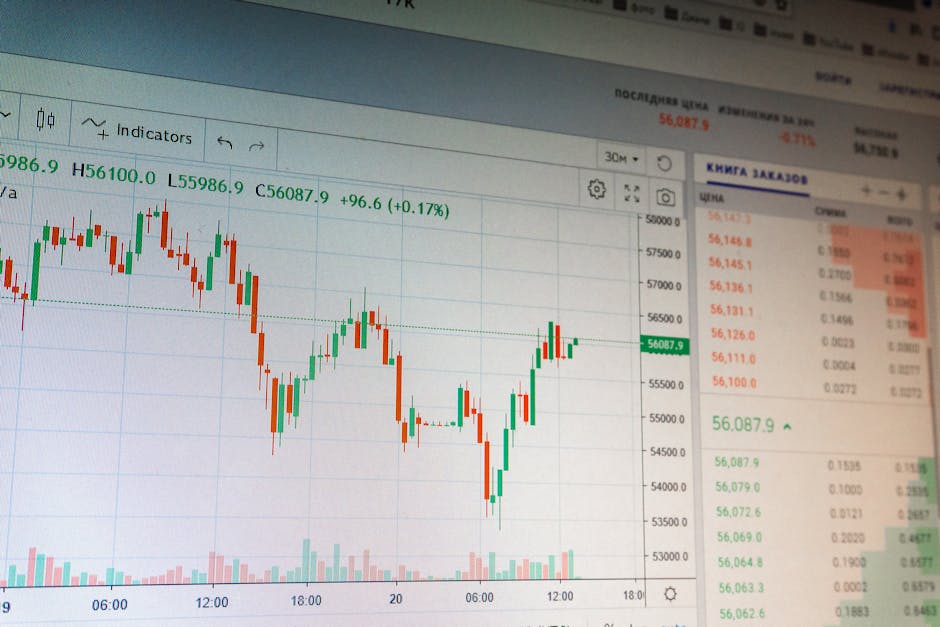
Glassnode’s post-October unwind narrative, adapted to current conditions, frames the path as three stages: a rapid descent toward a “true market mean,” a phase of dormancy, and a renewed breakdown pressure that tests the $60,000 region. While the roadmaps differ, the messaging is consistent—high-duration holders and low-duration holders are not aligned, which can prolong rangebound trading until new catalysts emerge.
Beyond the price levels, the market’s leverage and liquidity dynamics remain central. In a space where futures funding rates, option skew, and spot liquidity can flip sentiment quickly, the prospect of a sustained rally without real demand from capital allocators remains uncertain.
Cryptocurrency Tax Implications for 2026: A Rising Concern for Market Participants
Amid the price action, policy debates around cryptocurrency taxation have intensified. The cryptocurrency tax implications for 2026 are shaping how investors approach realization strategies, recordkeeping, and business models that interact with digital assets. Regulators and market participants alike are watching how future rules will affect cost basis, reporting obligations, and the timing of sales or transfers.

Industry insiders stress that clearer rules could coax different behavior from both long-term investors and active traders. The cryptocurrency tax implications for 2026 are expected to influence whether holders prefer to realize gains in a rising market, harvest losses for tax purposes, or delay transactions until reporting rules are settled.
“If the tax framework becomes more stringent or more transparent, you could see a shift in selling patterns around year-end quarters,” noted a policy analyst at CryptoPolicy Institute. “Investors will weigh the tax cost of transacting against the potential for larger price moves, and that calculus will feed into market liquidity.”
Exchange platforms and tax-tech firms have begun rolling out enhanced reporting tools to help traders navigate the coming rules. The cryptocurrency tax implications for 2026 may also push more market participants to adopt robust cost-basis tracking, automatic tax lot generation, and more conservative tax-loss harvesting practices—especially as cost-basis methods become central to calculating gains when far-from-current prices trigger taxable events.
What This Means for Traders and Long-Term Holders
The juxtaposition of robust whale accumulation with fading near-term demand creates a delicate balance for traders. Short-term players may find fewer sure bets as liquidity dries at resistance, while long-term holders could view the higher balance of BTC as a backstop to downside risk but not a guaranteed driver of rapid upside.
- Strategy considerations: Traders may favor waits-and-sees near the $70,000 mark, looking for confirmation of demand when wallets shift from accumulation to distribution.
- Risk management: The increased influence of large holders means price spikes may be sharper but less frequent unless a fresh catalyst arrives.
- Tax planning: The cryptocurrency tax implications for 2026 will likely influence sale timing, with more investors factoring in tax outcomes alongside price targets.
Investors should keep an eye on policy developments as 2026 unfolds. If tax compliance becomes more tightly enforced or filing requirements tighten, there could be a measurable shift in how and when BTC is moved off exchanges or into wallets that are less exposed to immediate liquidity pressures.
Conclusion: A Market at a Crossroads
The past month has underscored a paradox in the Bitcoin market: a steady buildup of supply among whales coexists with a muted appetite for risk among short-term participants. The outcome will hinge on whether the next wave of demand can break through the resistance that has formed around the most recent highs, or if the new whale base simply acts as a mantle that supports prices during consolidations.
As the market weighs a changing price landscape against evolving tax frameworks, the focus for 2026 remains twofold: understand who is moving BTC and why, and anticipate how the anticipated cryptocurrency tax implications for 2026 will shape future decision-making across wallets, exchanges, and investment theses. In this environment, information and timing are the sharpest tools for market participants.



Discussion