Breakthrough at the Senate Banking Committee
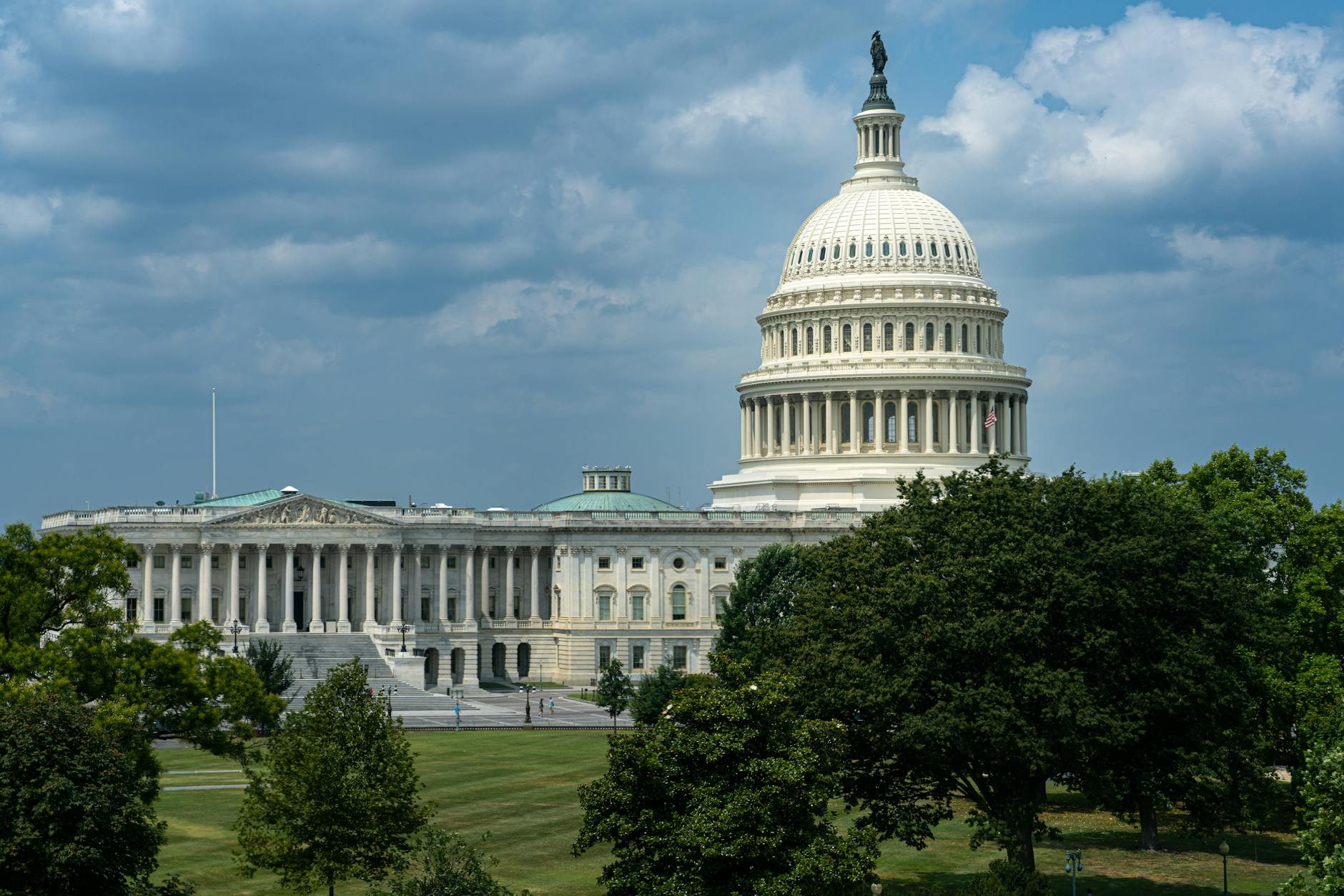
The Digital Asset Market Clarity Act (CLARITY Act) cleared a crucial hurdle on Capitol Hill as clarity passes senate banking, advancing out of the Senate Banking Committee amid broad debate. The committee’s action marks a milestone in the long-running push to standardize how digital assets are treated under U.S. law.
Supporters argue the measure would reduce regulatory ambiguity that has slowed product development, while opponents warn that fast-tracking a comprehensive framework could overstep or entrench rules before the details are fully worked out. Still, the committee vote signals that a path to a broader rewrite of crypto regulation is gaining momentum as lawmakers balance innovation with investor protections.
What Happens Next
Even with committee approval, the bill faces a marathon route to law. The CLARITY Act must be merged with a separate Senate Agriculture Committee version, reconciled with a House-passed alternative, and then brought back to the Senate floor for a full vote. The ultimate hurdle remains a 60-vote threshold on the Senate floor, a standard barrier for major regulatory legislation.
Policy observers say the process could take weeks or months, depending on the level of disagreement between chambers and the broader political calendar. In the near term, a floor debate could catalyze renewed attention on digital-asset regulation as market participants adjust expectations for how enforcement, custody, and disclosure rules might evolve.
Why Traders and Firms Are Watching
Market participants are watching the legislative cadence closely. Analysts say regulatory clarity tends to support longer-term capital planning for exchanges, lenders, and custodians, even if near-term price action remains tethered to macro factors such as interest rates and inflation data.
- Regulatory clarity could define whether certain tokens are treated as securities or commodities, influencing registration, reporting, and compliance costs.
- Stablecoin rules, exchange transparency, and custody standards could become central elements if the act is ultimately enacted.
- With the committee’s vote, lawmakers and industry executives are signaling a willingness to engage in a broader conversation about US competitiveness in the global crypto arena.
Dessislava Laneva, a research analyst at the digital asset wealth platform Nexo, noted that the committee’s passage helped calm some early fears about a stalled process. “The CLARITY Act moving forward shows lawmakers are prioritizing a framework that could reduce the one-off, case-by-case regulation we’ve seen to date,” she said. The broader market has been watching whether clarity passes senate banking for its potential to reshape sentiment around U.S. crypto policy.
Expert Views on the Path Ahead
Policy experts offer mixed but constructive takes on what the CLARITY Act would deliver. A senior fellow at the Center for Digital Asset Policy emphasized that the bill’s design aims to reduce regulatory fragmentation across agencies, a goal that could benefit issuers and infrastructure providers seeking a stable operating environment.
Other observers caution that the detailed implementation would matter as much as the ambition. “Much hinges on how the bill is reconciled across committees and how tightly the final rules map to actual market practices,” said a veteran regulatory analyst who spoke on condition of anonymity to discuss ongoing negotiations.
Timeline and Market Implications
The legislative clock is a major factor. If CLARITY Act clears the Senate floor with a broad enough coalition, the bill’s odds of becoming law rise, even as economic conditions and regulatory skepticism remain present. Analysts say a successful floor vote could trigger a multi-quarter re-pricing of crypto risk in portfolios, particularly for participants exposed to regulatory uncertainty.
In the near term, investors should expect continued volatility tied to headlines about the bill’s progress, procedural moves, and any stakeholder concessions during the reconciliation phase. Even as a potential catalyst, the act’s fate remains uncertain until the Senate completes its opaque but protracted process, followed by House action and a presidential signature if it reaches that stage.
Impact on Crypto Companies and Investors
If clarity passes senate banking and the act becomes law in some form, the regulatory playbook for crypto firms could shift notably. Exchanges might encounter clearer listing standards, improved disclosure requirements, and more consistent custody practices. Issuers and funds could face definitional clarity about which products fall under securities law and which fall under commodity or other regimes, affecting how they raise capital and manage risk.
- Custody providers could pursue standardized safeguards to meet proposed risk-management rules, improving investor protection.
- Market infrastructure firms may accelerate compliance roadmaps as enforcement expectations become more predictable.
- Retail and institutional investors could gain confidence in the regulatory footing of digital assets, potentially broadening market participation over time.
Still, firms are preparing for a landscape with ongoing changes. Jonathan Reyes, policy director at a digital assets coalition, echoed the sentiment that “clear rules with a practical runway for implementation could unlock capital and innovation, even if the path there is lengthy.” The sense among industry executives is that a constructive compromise remains possible, but patience will be essential.
Bottom Line
The CLARITY Act’s passage in the Senate Banking Committee marks a meaningful milestone, but it is far from the final act. The phrase clarity passes senate banking will continue to echo as the bill navigates two more chambers and potential changes in committee leadership and priorities. If lawmakers succeed in aligning the Senate, House, and executive expectations, the U.S. crypto regulatory regime could enter a new era characterized by clearer rules and more predictable compliance demands.
For now, market watchers and crypto participants are balancing cautious optimism with pragmatic concern. The pace of legislative developments, the contours of a reconciled bill, and the policy details will determine whether the United States becomes a truly global hub for regulated digital assets or simply a place where innovation continues to migrate to more permissive jurisdictions. As clarity passes senate banking, the next chapters will test both political resolve and market resilience.
Key Takeaways
- The CLARITY Act has moved forward from the Senate Banking Committee, signaling progress in a long-running regulatory effort.
- A successful path to law depends on reconciliation with other chambers and a 60-vote floor victory in the Senate.
- Analysts and industry participants expect regulatory clarity to influence corporate strategy, market structure, and investor protections over time.
Discussion