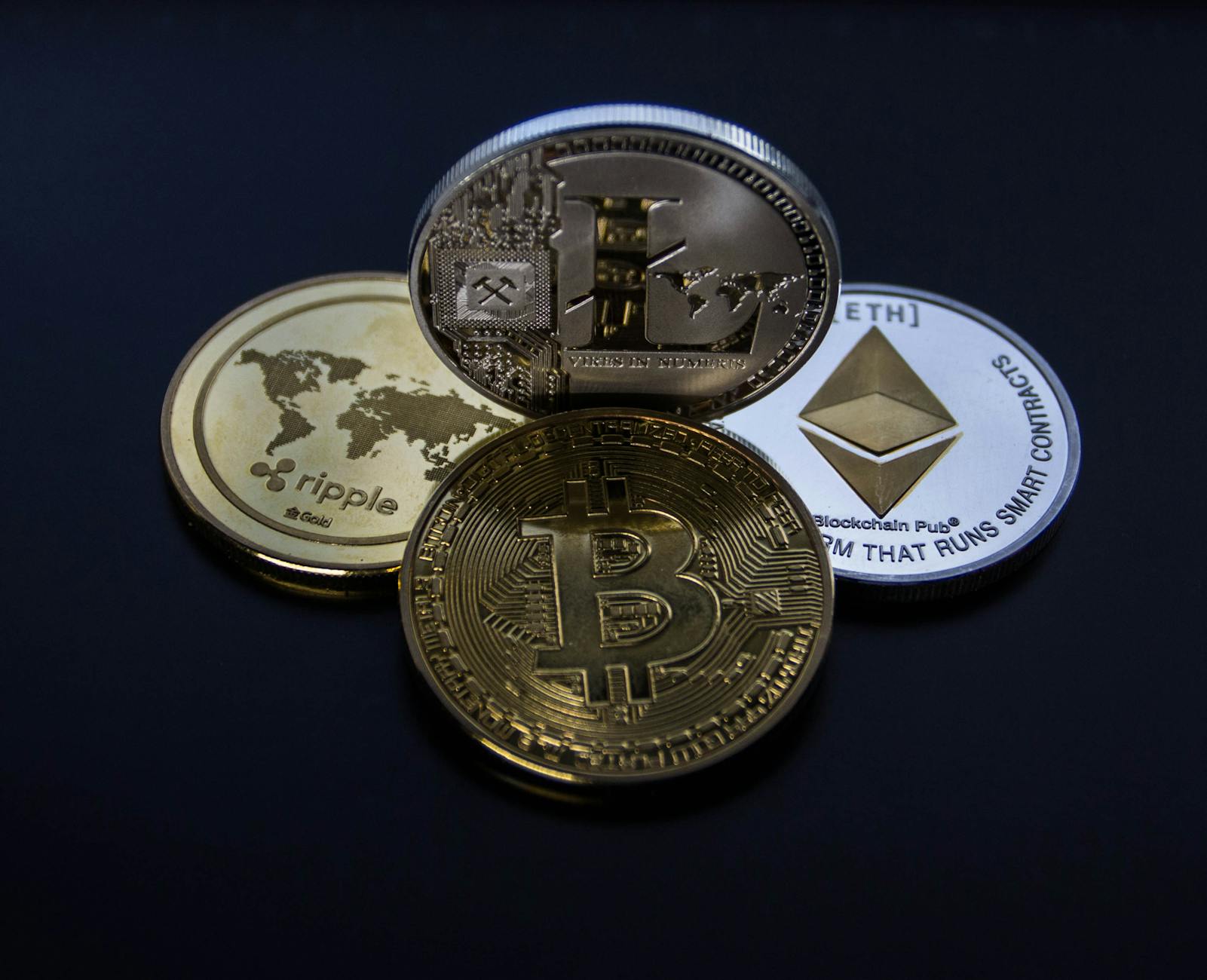
Introduction: Crypto Sells Amidst Trump Turmoil — Why This Matters to You
When political headlines collide with financial markets, digital assets feel the impact just as quickly as traditional investments. In recent days, investors watched another wave of selling in the crypto space as tariff concerns tied to policy developments around Trade and Tariffs drew risk-off behavior from portfolios across the board. The phrase you will hear in market rooms and online is simple: crypto sells amidst trump worries nudge prices lower as traders reposition for uncertainty. This isn’t a one-off blip; it’s a reminder that crypto markets don’t operate in a vacuum. They move with policy signals, global demand shifts, and evolving risk appetites from both retail and institutional players.
What Is Driving the Sell-Off?
Tariffs and trade policy have a broad reach. When governments signal higher costs for imports, corporate earnings can feel the squeeze, inflation may rise, and investors seek safer harbors. In this environment, risk-on assets—including many crypto tokens—tend to give back some ground as demand shifts toward cash, Treasuries, or other perceived safe havens. The crypto market is particularly sensitive to such shifts due to its still-evolving liquidity, exposure to liquidity-driven price swings, and the presence of big players who move in and out with quick, calculated bets.
What we’ve observed in recent sessions is a spectrum of movements across the major coins and a lively set of shifts in altcoins and tokens. Bitcoin (BTC) and Ethereum (ETH) led the declines among the top assets, but several smaller tokens also traded down in sympathy. The pattern can look like this in practical terms: BTC trading down roughly 3% to mid-$29,000s, ETH slipping around 3–5% into the mid-$1,700s to low-$1,800s, and select layer-2 tokens or niche memecoins showing double-digit moves on the day. These moves aren’t random; they reflect a mix of macro risk-off behavior, changes in funding sentiment, and tactical trading around policy updates.
As the market absorbs tariff signals, it’s not just the price action you should watch. Trading volumes and liquidity in derivative products, including crypto futures and tokenized asset offerings, often show a mixed bag of outflow and inflow patterns. The message to investors is clear: risk management becomes the main job, not chasing every bounce. Think of it as a test of your plan and your ability to weather a pullback without panicking.
Market Movers: Where Prices Landed
While market conditions swing on policy headlines, it helps to have a snapshot of how the major players performed. In a typical tariff-driven day, you might see:
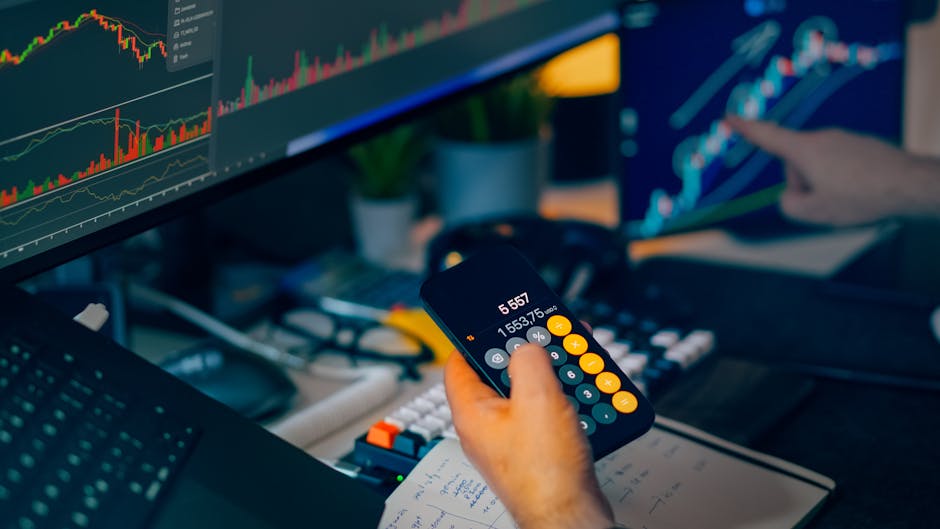
- Bitcoin (BTC) down about 3% to the low-$29,000s range.
- Ethereum (ETH) retreating roughly 4% to the mid-$1,700s to $1,800 area.
- Solana (SOL) weakening around 5–6% to roughly the $120–$130 zone.
- XRP easing in the 1–2% vicinity, hovering around the $0.60s to $0.70s depending on the day’s liquidity.
Meanwhile, some smaller or specialized tokens moved in mixed fashion, with a handful logging double-digit gains while the broader market trended lower. It’s not unusual to see activity in niche projects that claim to offer enhanced on-chain governance, faster settlement times, or novel staking models surge briefly on speculation, only to be followed by a broader pullback if macro headlines intensify.
Policy, Platforms, and Structural Shifts: What to Watch
Beyond price action, policy signals and platform developments shape the medium- and long-term trajectory of crypto markets. A few developments worth noting include:
- The NYSE and other major exchanges exploring or piloting around-the-clock tokenized stock and ETF trading, which could blur the lines between traditional and crypto markets and alter liquidity flows over time.
- Corporate treasury activity remains a compelling narrative, with some companies pursuing crypto exposure as a strategic reserve or currency hedging tool. This can add a steady bid at times and also a source of volatility should policy or corporate strategy shift rapidly.
- On-chain governance and DAO frameworks have drawn renewed attention as investors seek more accountable and coordinated decision-making structures in decentralized projects.
In a parallel development, some jurisdictions are experimenting with fully on-chain economic infrastructure, which, if scaled, could influence how fast and cheaply value moves around the crypto ecosystem. While such transitions are gradual, the signal is clear: the market is not just about token prices anymore; it’s about the evolving infrastructure that underpins adoption and real-world use cases.
Corporate Treasuries, ETFs, and Liquidity Flows
Institutional activity continues to shape how the market behaves in times of stress. When tariffs create uncertainty, some crypto ETFs may see outflows as investors de-risk, while others that have longer track records and lower expense ratios can attract inflows. On a typical volatile day, a BTC-focused ETF might record outflows on the order of hundreds of millions of dollars, while ETH-focused funds might experience more modest inflows as traders position for potential price resiliency or as hedges against equity-market moves. The bottom line is that ETF and futures activity adds another layer to price discovery, liquidity, and volatility during tariff-driven sell-offs.

For example, a plausible scenario in a tariff-torn day is BTC ETFs showing a lean net outflow of a few hundred million dollars, with ETH ETFs maintaining a more neutral or slightly positive flow as traders diversify across DeFi and cross-asset hedges. Such patterns do not guarantee future outcomes, but they help explain the rhythm of risk appetite in markets that blend crypto with traditional financial instruments.
What This Means for Individual Investors
Individual investors face a nuanced decision set when crypto sells amidst trump headlines. Here are practical steps to navigate the current environment without giving up on long-term goals:
- Assess your risk tolerance: If the tariff turmoil makes you uneasy, consider whether your crypto exposure already matches your risk tolerance. A common rule of thumb is to limit crypto to a small portion of total investments—often 5–10% for a traditional portfolio, depending on your time horizon and liquidity needs.
- Rebalance with intent: In volatile markets, rebalancing to target allocations helps you avoid becoming overly concentrated in a single asset class. For example, if your risk profile calls for 6% crypto, and your portfolio drifted to 9% during a rally, trim a portion of crypto exposure and redeploy to cash or other assets.
- Use dollar-cost averaging (DCA) for new buys: Rather than attempting to time the bottom, commit to a disciplined DCA plan. If you want to build exposure to BTC or ETH, schedule monthly purchases regardless of price to reduce the impact of short-term volatility.
- Adopt defensive hedges: Consider adding non-correlated assets such as high-grade bonds, TIPS, or even gold as part of a diversified strategy that can cushion downturns in risk assets when tariff news is at a high boil.
- Keep funds you’ll need soon out of volatile bets: If you anticipate major expenses in the next 12–24 months, reserve that money in cash or cash-equivalents rather than letting it ride through a volatile crypto pullback.
Real-World Scenarios: How Smart Moves Helped Investors Weather the Turmoil
Let’s walk through two hypothetical investors to illustrate practical decision-making during crypto sells amidst trump concerns.
- Case A: Mira, a 35-year-old with a 10-year horizon – Mira holds a diversified mix of stocks, bonds, and a 8% crypto sleeve. When tariff headlines hit and crypto prices dipped, Mira checked her risk tolerance and rebalanced once to bring crypto exposure back to 8%. She also increased her monthly DCA into BTC and ETH by a small amount, using calm, rule-based actions rather than reactionary trades. Over the next few months, as markets stabilized, her position gradually recovered with less stress than a knee-jerk sell-off would have caused.
- Case B: Raj, a 50-year-old with a shorter time horizon – Raj’s portfolio carried a higher weight in growth equities and a 4% crypto sleeve. When the tariff turmoil hit, he trimmed crypto exposure to 3% and moved proceeds into a short-duration bond ETF. This move reduced drawdown during the pullback and allowed him to keep dry powder ready for selective redeployment when volatility cooled.
These scenarios highlight two important ideas: (1) a clear plan helps you stay disciplined during volatile periods, and (2) small, methodical adjustments often outperform reactive, sentiment-driven trades.
What to Watch Next: Signals That Could Shape the Next Phase
While tariff turmoil can drive near-term volatility, investors should keep an eye on several signals that could shape the next phase of crypto markets:

- Policy clarity: Clear statements from policymakers about tariffs and trade agreements can reduce uncertainty and re-ignite risk appetite, especially for risk assets like crypto.
- Liquidity trends in exchanges and DeFi: A boost in crypto market liquidity can cushion sell-offs and support more orderly price action during choppier times.
- Corporate treasury announcements: News about large companies allocating crypto reserves or issuing crypto-backed debt can add both risk and potential upside depending on execution and timing.
- Adoption milestones: Real-world use cases, like cross-border payments or tokenized assets showing progress, can gradually shift sentiment from purely speculative to more utility-driven investing.
Conclusion: Staying Grounded When the Market Reacts to Policy
Crypto sells amidst trump headlines don’t spell doom or endless decline, but they do test your plans, your discipline, and your readiness to act with intention. The episodes remind us that crypto markets are intertwined with policy, macro risk, and liquidity dynamics just like any other asset class. For investors, the best path is a blend of risk-aware positioning, methodical rebalancing, and a clearly defined plan for what you do when volatility spikes. By focusing on fundamentals, maintaining a sensible diversification, and using disciplined buying and selling rules, you can navigate tariff-driven sell-offs without losing sight of your long-term goals.
Frequently Asked Questions
Q1: Why do tariffs cause crypto sells amidst trump headlines?
A1: Tariffs influence broad market sentiment by raising macro risk, affecting corporate earnings and inflation expectations. When risk appetite shifts toward cash or safer assets, crypto—being a volatile, less predictable sector—often experiences selling pressure as traders reposition portfolios.
Q2: Should I reduce my crypto holdings during tariff turmoil?
A2: Not necessarily. If you have a long time horizon and your portfolio risk aligns with your goals, you can stay invested but rebalance toward your target allocations, set strict stop-loss rules, and consider increasing cash or less-volatile positions to cushion the drawdown.
Q3: What strategies help protect a portfolio in these conditions?
A3: Use a rules-based approach: cap exposure to crypto, diversify across assets with low correlation to crypto, rebalance on a schedule, and employ dollar-cost averaging for new buys. Hedging with traditional assets like short-term bonds or gold can also dampen volatility.
Q4: Are ETF flows reliable indicators during tariff-driven sell-offs?
A4: ETF flows provide context about investor sentiment and liquidity, but they are not perfect predictors. Look for a combination of flows, price action, and on-chain metrics to gauge how the market is absorbing the news and whether a bottom or a further pullback is likely.
Discussion