
Crypto Starts 2026 Strong A Fresh Start for Digital Assets
When a new year begins, markets look for momentum, direction, and signals that risk appetite is shifting. The phrase crypto starts 2026 strong has moved from analyst chatter to a working thesis for many investors. Early 2026 data shows a global crypto market cap hovering near the 3.3 trillion mark, with major assets trading in ranges that reflect steady demand rather than dramatic fear. Buyers are stepping in on pullbacks, while institutions quietly expand exposure to infrastructure and custody solutions. The blend of on chain efficiency, clearer regulatory guardrails, and real world use cases is creating a more durable backdrop for sustained appreciation across diverse blocks of the market. This article takes a close look at the main currents driving crypto starts 2026 strong, with a special focus on how Venezuela is shaping flows, why token generation events are lighter than in prior cycles, and what investors can do to participate without overexposing themselves.
Venezuela at the Center: How Policy and Remittance Flows Redefine Market Dynamics
Venezuela remains a vivid case study for crypto adoption in emerging markets. The combination of currency controls, inflationary pressures, and a large diaspora creates a unique demand pattern that can ripple through the broader market. In early 2026, observers note several measurable shifts in how Venezuelan users access crypto, what kinds of assets they favor, and how on ramp and off ramp flows intersect with global liquidity pools. The country has long experimented with digital assets as a way to move value across borders when traditional channels are constrained. While this is not a one size fits all story, it helps explain why the global market reacts to country level policy and remittance trends with amplified sensitivity.
From a policy perspective, gradual moves toward clearer tax guidance and streamlined exchange rules can reduce friction for international traders who use Venezuela as a gateway to Latin American markets. In practice, this often means more predictable liquidity, a modest reduction in price gaps during regional trading hours, and a higher probability of meaningful volume during U S trading sessions. The net effect is a more resilient narrative for crypto starts 2026 strong as a theme, because policy clarity reduces the surprise risk that otherwise unsettles investors.
What the numbers suggest
Industry trackers point to several concrete patterns. First, user activity linked to remittances has shown resilience, even amid global volatility. Second, the share of stablecoins used for on chain transfers in the region has remained elevated, suggesting a preference for speed and cost control in practical payments. Third, trading volumes on regional exchanges have improved, helping to anchor prices and reduce daily extremities that often scare smaller traders away. Taken together, these signals support the thesis that crypto starts 2026 strong not merely on a headline basis but in terms of real usage and steady liquidity.
Market Movers and Institutional Interest: Banks, Funds and the New Crypto Playbook
Institutional players continue to recalibrate their stance toward digital assets, and the early months of 2026 show a broader acceptance that goes beyond rhetoric. Large banks and asset managers are quietly expanding their tools for evaluation, custody, and structured exposure. The mood is less about jumping into the deepest liquidity pools and more about building durable access points for clients who want regulated, transparent exposure to crypto network growth and blockchain infrastructure.
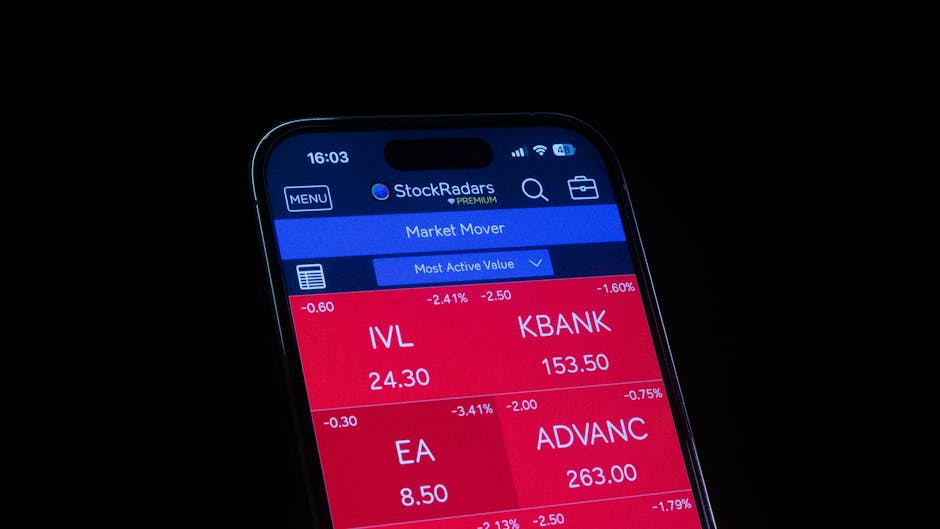
Key developments include banks formalizing research notes and model portfolios that feature a measured allocation to crypto. In the first quarter, some major firms began publishing sector specific guidance that assigns a modest but meaningful role to digital assets within diversified strategies. These shifts matter because they signal a trajectory where crypto starts 2026 strong is reinforced by credible, repeatable access channels for wealth and retirement accounts. In addition, lead narratives around Layer 2 scaling, cross chain interoperability, and enterprise grade security are moving from talk to actionable product features.
News From the Big Names
Several high profile moves shape the current environment. A large traditional bank has started issuing crypto research notes to its advisory teams and clients, highlighting risk controls and performance benchmarks. A prominent investment bank filed for a Solana based trust with the regulatory authorities, signaling continued interest in Layer 1 ecosystems and the potential for regulated crypto products. Meanwhile, a major trading platform received an upgrade from a well known rating house, a signal that the liquidity and user experience story is resonating beyond early adopters. On the other hand, there are cautionary notes in the same ecosystem about risk management and concentration risk in a few highly volatile assets, reminding investors to maintain discipline in how they allocate capital across digital assets.
Lighter TGE Reactions: A Pragmatic Year Ahead for Token Generation Events
Token Generation Events, or TGEs, have historically been a barometer for risk appetite during the early phase of a crypto cycle. The mood in 2026, however, leans toward lighter TGE reactions. There are several reasons for this shift. First, there is greater regulatory clarity in many jurisdictions, which encourages issuers to emphasize compliance and real world utility over hype. Second, investors have learned to differentiate between projects with robust use cases and those with speculative promises. Third, the market has seen a wave of projects that focus on interoperability, security, and long term sustainability rather than rapid supply issuance. As a result, many TGEs are delivering softer initial pops in price but stronger, more durable demand once product milestones are reached.

For the average trader, this means less daily volatility around launches and more focus on post launch viability. In practice, this favors projects with credible roadmaps, clear revenue or usage models, and strong technical foundations. It also means that risk management must adapt to a more measured environment where new tokens often take longer to gain traction but offer a more reliable growth profile once adoption begins.
With momentum in place, how should an individual investor position their portfolio to participate in the upside without taking on undue risk? The following practical steps are designed to translate macro optimism into concrete actions that fit a typical retail investor schedule and risk tolerance.
- Define a core and satellite allocation: Core exposure to broad market cap tokens via low-cost index style vehicles, plus a satellite sleeve of select layer 1 and layer 2 assets with transparent use cases.
- Use dollar cost averaging during pullbacks: If prices drop 5-8 percent from a recent high, deploy a fixed amount over the next 2-4 weeks to reduce timing risk.
- Set clear stop levels and take profits: For example, set a 20 percent trailing stop on a core holding to protect against sudden reversals, while reserving a portion of gains for reallocation.
- Prioritize security and custody: Use hardware wallets for long term storage and take advantage of insured custodial solutions when you need liquidity.
- Stay aware of regulatory developments: Set up news alerts for policy shifts in major markets and workflow updates from major exchanges and custodians.
Reading the market signals in the early weeks of 2026 requires context. Global liquidity remains a key driver, but the composition of that liquidity is shifting. Investors are increasingly attracted to networks that offer scalable transactions at a predictable cost, and to ecosystems that attract developers, merchants, and institutions. Venezuela figures into this picture as a case study of how policy, remittances, and on ramp infrastructure can shape flows that ripple into global prices. The net is a market that looks less prone to dramatic self reinforcing moves and more capable of gradual, sustainable growth. For many traders this translates into a preference for activities like staking and yield farming on robust ecosystems, expansive liquidity on major centralized exchanges, and a bias toward assets with clear utility cases and defensible economic models.
In practical terms, this means more opportunity for traders who diversify across assets that balance momentum with risk controls. It also means a greater emphasis on due diligence, because as markets mature, the quality of projects becomes a bigger determinant of long term returns. The message for crypto starts 2026 strong is clear: resilience, credible adoption, and disciplined risk management are the pillars of this year’s investing playbook.
The early pace of 2026 confirms what many strategists expected: crypto starts 2026 strong and is being reinforced by a mix of institutional shaping, real world use cases, and a steady policy narrative. Venezuela remains a key regional influencer, illustrating how policy, remittance flows, and on ramp infrastructure can shape the global liquidity backdrop. At the same time, lighter TGE reactions reflect a more mature market that prioritizes utility and compliance over sheer hype. For individual investors, the path forward is clear and actionable: build a diversified, risk controlled plan, stay informed about regulatory changes, and focus on assets with tangible value propositions. By staying disciplined, you can participate in the potential upside of crypto starts 2026 strong while keeping risk in check.
FAQ
What does crypto starts 2026 strong indicate for investors?
It signals a favorable backdrop with steady liquidity, institutional interest, and a growing focus on practical utility and regulation.
How does Venezuela influence the market in 2026?
Policy shifts and remittance patterns shape regional flows that can ripple to broader markets, influencing volatility and adoption patterns globally.
What is the impact of lighter TGE reactions?
TGEs are less volatile on launch and emphasize real world use, better governance, and regulatory compliance, which tends to produce steadier post launch demand.
What steps can a retail investor take to ride the momentum?
Diversify, implement a clear allocation strategy, use dollar cost averaging for entries, set risk controls, and prioritize secure custody and credible projects.

Discussion