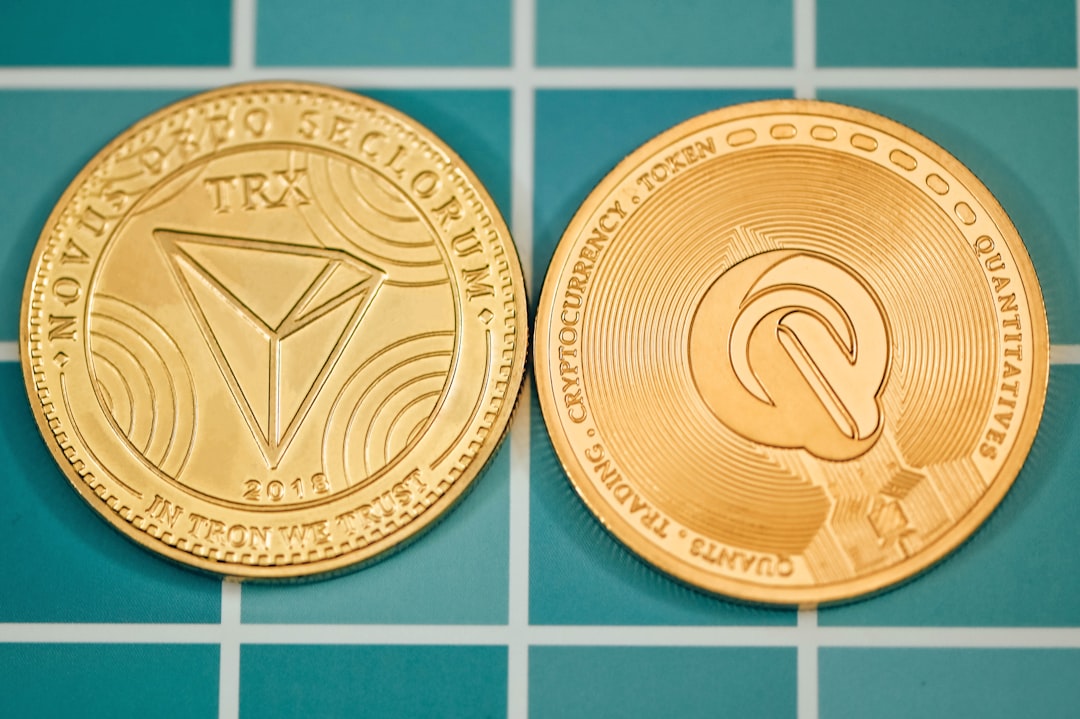
Hooked by a Warning, Plunged into a Scam? The New Reality for Tron Users
The crypto world moves fast, and scammers move even faster. In a troubling twist, criminals are exploiting the Tron network by issuing tokens that mimic federal authorities and threaten users into handing over funds or private keys. This disturbing tactic is a reminder that the most dangerous scams aren’t always flashy memes or grand ads; sometimes they wear a badge of authority to look real. This article breaks down what fake crypto tokens being threats look like, why they work, and—most importantly—what you can do to protect yourself, your family, and your portfolio.
When you’re managing crypto, a calm, methodical approach wins. The following sections give you practical steps, real-world examples, and clear actions you can take today. The goal is simple: keep your Tron wallet safe, avoid unnecessary risk, and be ready to report anything that smells wrong. You’ll also find pro tips tucked into the article to remind you of the quickest checks before you interact with any new token on the network.
What Fake Crypto Tokens Being Threats Look Like on Tron
On the surface, a token can look like just another entry in a long list of assets. But the danger surfaces when the token masquerades as a government or law-enforcement entity. Victims typically encounter one of these patterns:
- Impersonation of federal or state agencies with names like FBI, DOJ, or Treasury, often paired with urgent messages about fines or legal action.
- Tokens that appear with official seals or insignia and a brief note urging immediate action to “avoid arrest” or “freeze your funds.”
- Token metadata that includes alarmist text and a link to a supposed official website, which is often a decoy site designed to harvest information.
- Contract addresses copied from popular tokens or random strings that don’t match any credible government-issued token.
In these cases, the user isn’t necessarily losing value through a simple price drop—the loss often comes from approving a malicious contract that drains funds or tricks you into sending crypto directly to an attacker. It’s a social-engineering win for the scammer who leverages fear, credibility, and urgency to bypass ordinary security checks.
Why Tron Users Are Targeted
The Tron network hosts a large and active ecosystem of decentralized apps (DApps), wallets, and tokens. This openness and activity mean there are many legitimate assets to interact with, but it also creates cover for misrepresentation. Scammers know that some users will trust a token that bears a familiar-looking name or emblem. The result is a classic social-engineering play: present something that looks official, pair it with a deadline, and hope fear overpowers caution.
From a defender’s perspective, the core risk isn’t just the token itself—it’s what the token enables. A malicious contract can prompt approvals that grant a thief access to your funds or grant permission to spend assets you don’t realize you’ve entrusted. In a market where a single misstep can cost thousands of dollars, a disciplined approach to token interactions matters more than ever.
Real-World Scenarios: How These Scams Play Out
To grasp the threat, it helps to walk through plausible, anonymized examples. These aren’t unique incidents but common patterns reported by security researchers and consumer protection agencies.
- The Urgent Fine Token: A Tron wallet user receives a new token named something like “FBI Fine Token.” An in-wallet notification says, “Arrest imminent—pay a fine of 0.5 ETH to resolve immediately.” The user clicks to learn more, approves a contract, and funds disappear to a crypto address the token controls. The token’s appearance and fear tactic replicate real-law enforcement language but are entirely fake.
- The DoJ Disclosure Token: A DApp prompts a user to claim a “DoJ Cookie” reward. The UI looks official with a seal and a legal disclaimer. When the user signs, the contract grants the attacker control of an allowance and drains the balance gradually or in one lump transfer.
- The Asset Freeze Ruse: A token labeled “Treasury Freeze Notice” claims to secure your assets until you verify your identity. Clicking through leads to a fake verification page that asks for seed phrases or private keys—information scammers can use to seize assets immediately.
These scenarios share a pattern: a token carries a veneer of authority, a deadline, and a simple prompt to “verify now.” Even experienced users can be blindsided if they react too quickly or if their guard is down while multi-step security checks aren’t performed.
How Authorities Are Responding
Regulators and law-enforcement agencies have stepped up warnings about impersonation scams tied to crypto. The pattern—fake tokens being used to pressure users—has prompted exchanges and wallet providers to publish security notices, add anti-phishing features, and encourage users to verify token legitimacy before interacting with new assets. In addition, consumer protection bodies advise investors to treat any urgent demand for payment as a red flag and to report suspicious activity right away.
Criminals rarely operate in a vacuum. By studying patterns and sharing indicators of risk, authorities aim to reduce the overall success rate of these schemes. They also encourage platforms to implement stricter verification for token listings and to curb the spread of misleading branding that can mislead the public.
Practical Steps to Protect Yourself Right Now
If you’re active on Tron or any other blockchain, adopt a simple, repeatable security routine. The goal is to minimize risk by stopping suspicious interactions before you ever give permission to a token contract.
Step 1: Verify Before You Interact
The most effective safeguard is a two-step confirmation process. First, identify the token by name, symbol, and contract address. Then cross-check with reliable sources:
- Official project announcements and government agency notices—prefer primary sources.
- Trusted block explorers and token registries that show verified contract addresses.
- Community channels that have a history of accurate information, not rumors.
If any element doesn’t line up, don’t interact. It’s better to miss a potential reward than lose funds to a scam.
Step 2: Use Security-First Wallet Practices
Security hygiene is non-negotiable. This means:
- Enable hardware wallets for long-term storage of assets.
- Back up seed phrases in secure, offline locations—preferably two separate places.
- Turn on two-factor authentication (2FA) for any exchange accounts you use; if a wallet app offers optional 2FA, enable it where possible.
- Keep software up to date and avoid installing untrusted browser extensions that can hijack your wallet interactions.
Step 3: Practice Cautious Interaction
Even when a token looks legitimate, proceed with caution:
- Never approve a token’s spending allowance without understanding what the contract does. A single grant can enable theft of your funds.
- Avoid “claim a reward” prompts that connect to a token contract you haven’t vetted.
- If a DApp asks you to sign a transaction as a lender or borrower in a way you don’t recognize, back away and close the interface.
Step 4: Quick Response if You Suspect a Token Is Suspicious
Time is critical when dealing with suspicious tokens being threats. Immediate steps include:
- Disconnect from the DApp and revoke any permissions you previously granted to the token, if possible.
- Document the token’s details (name, contract address, and any messaging) and report to your wallet provider or exchange support.
- Monitor your wallet for unusual transaction activity and set up alerts if your platform supports them.
- Consider moving remaining funds to a clean, offline-storage solution until you’re confident in your security posture.
Spotting Red Flags: Quick Checks to Avoid Fake Tokens Being Threats
A fast, reliable set of checks can save you from a costly mistake. Here are warning signs to watch for:
- Urgent language that pushes you to act within minutes to avoid penalties or arrests.
- Official-looking branding without any official government confirmation or news coverage.
- Token details that don’t match the issuer’s verified information or a mismatch between the token name and the contract address.
- Unsolicited messages that request access to your wallet or seed phrases.
- A token with a new symbol and a recent listing date that lacks credible project history.
Developing a habit of checking these flags can dramatically reduce your risk. Remember: authenticity beats speed in the crypto world.
Why Falling for These Tactics Is Costly
From a financial perspective, the cost of ignoring warnings can be steep. Victims may suffer immediate losses if a malicious contract drains a wallet, plus indirect costs like the time needed to recover accounts, report the incident, and rebuild trust in the ecosystem. While exact losses vary by incident, a single successful scam can erase months of prudent gains and create lasting financial stress for a household. Beyond money, there’s a reputational and emotional cost that can linger long after the funds are gone.
Security experts emphasize that prevention is the most effective form of defense. A measured, informed approach to token interactions—especially on networks with multiple tokens and DApps like Tron—reduces exposure to fake tokens being threats and other social-engineering ploys.
Putting It All Together: A Simple Security Routine
To make this practical, here’s a compact daily routine you can adapt as your own. It’s designed to be easy to follow, even if you’re new to crypto:
- Before interacting with any new token, verify its contract address against official sources and reputable explorers.
- Enable a hardware wallet for storing the majority of your assets; keep a smaller amount in a hot wallet for quick trades.
- Never approve token allowances you don’t understand; if in doubt, use a test account to explore how the contract behaves.
- Keep seed phrases offline and out of digital storage; use multiple physical backups in separate secure locations.
- Set up 2FA on all crypto-related accounts and enable transaction alerts when possible.
- If you encounter a suspicious token, pause activity, report it, and seek guidance from trusted sources before taking action.
Frequently Asked Questions
Q1: What are fake crypto tokens being threats and how do they affect Tron users?
A1: They are tokens issued on the Tron network that imitate government agencies to pressure users into paying fines, sharing private data, or granting access to their wallets. These scams rely on fear and authority cues to bypass normal caution.
Q2: How can I protect myself from these scams?
A2: Verify token contracts against official sources, use hardware wallets, enable 2FA, avoid signing unknown transactions, and never share seed phrases. If something looks suspicious, don’t engage and report it to support channels you trust.
Q3: If I already interacted with a suspicious token, what should I do?
A3: Immediately disconnect from the DApp, revoke any permissions the token has, monitor for unusual activity, back up and secure your seed phrases, and contact your wallet or exchange support for guidance.
Q4: Are there legitimate government-issued tokens I should trust?
A4: No credible government agency issues a crypto token as a direct warning or means of payment. Treat any token purporting to be from a government agency with extreme caution and verify through official, independent channels.
Conclusion: Stay Informed, Stay Safe
The crypto landscape rewards curiosity and discipline in equal measure. The emergence of fake crypto tokens being threats on the Tron network is a reminder that attackers often blend in with legitimate activity—at least at first glance. By staying vigilant, verifying every token before you interact, and using robust security tools, you can protect yourself from this troubling trend. The best defense is a routine built on slow checks, clear sources, and trusted safeguards. If you commit to that routine today, you’ll reduce your risk and help set a higher standard for the broader crypto community.

Discussion