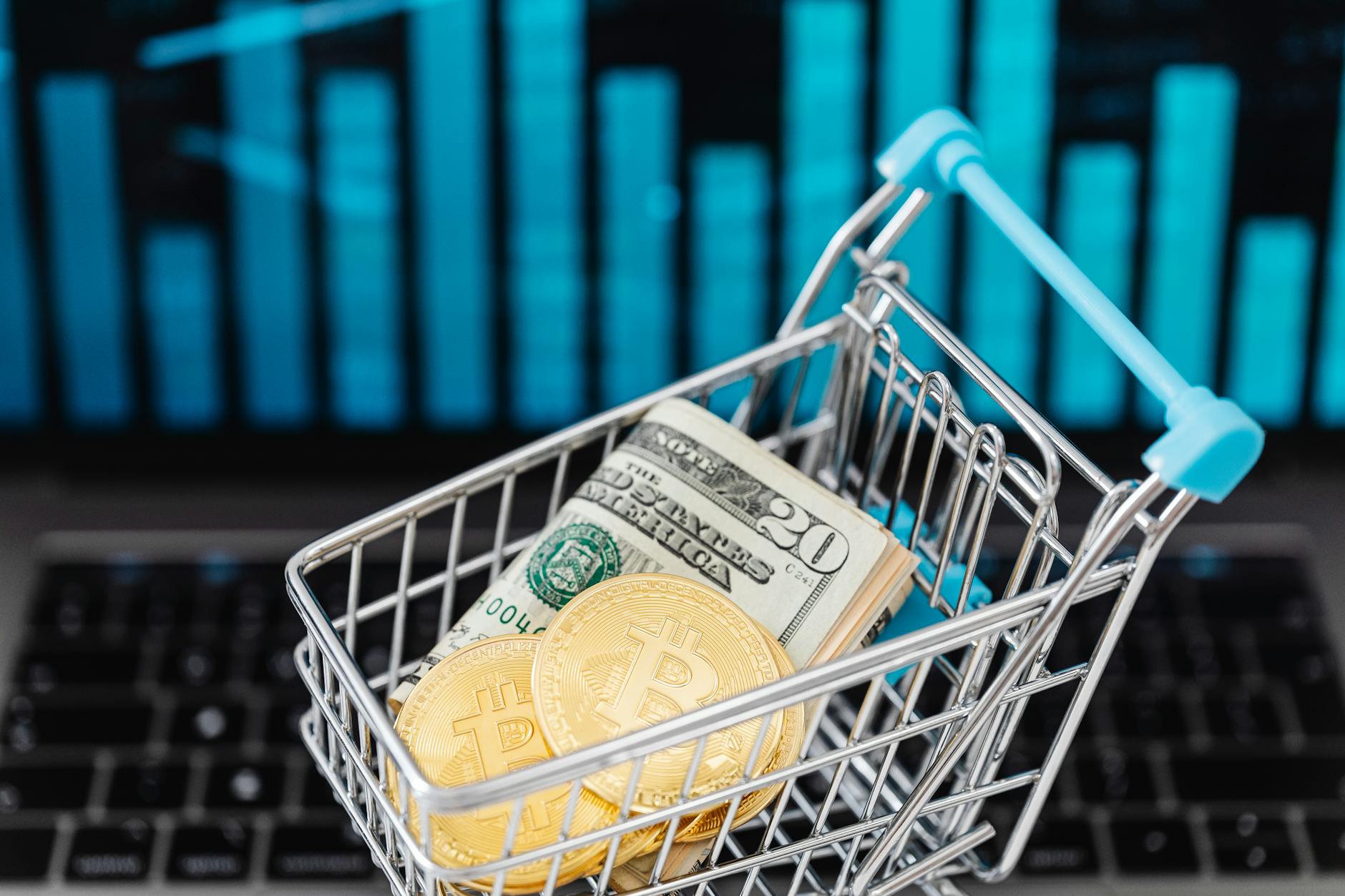
Hooking the Moment: Why the Global Crypto MCap $3.22 Matters Now
The crypto market is buzzing again as the latest data puts the global crypto mcap $3.22 at the center of investor conversations. This milestone isn’t just a headline; it acts like a pulse check on risk appetite, liquidity, and the speed at which institutions are willing to engage with digital assets. While some traders chase the next breakout, others are stepping back to consider what this level means for a diversified portfolio. The focus is not only on the number itself but on the signals it sends about momentum, regulatory openness, and the evolving tech narrative that underpins major coins and emerging tokens.
Within the broader picture, XRP’s 12% jump and a handful of Layer-2 projects sparking attention highlight a market that is rotating from pure liquidity chasing into sector-specific bets. The narrative increasingly includes traditional finance players weighing allocations, central-bank signals that crypto is here to stay, and developers racing to scale networks without sacrificing security or decentralization. In plain terms: the market cap milestone is a milestone for investor psychology as much as it is for market mechanics.
The Landscape Today: What Moves the Needle at a $3.22 Trillion Benchmark
Two forces drive the current environment. First is the liquidity push from corporate and private wealth channels that see digital assets as a strategic hedge and a potential growth engine. Second is the ongoing improvement in network infrastructure—especially for smart contract platforms—that promises faster, cheaper, and more secure transactions. When you combine these dynamics with a $3.22 trillion market, you get a setup where selective bets can compound, even as broader market risk remains real.
To put numbers in context, think about a few tangible anchors that traders watch daily: - Institutional appetite: Banks and wealth managers increasingly describe crypto as a multi-asset class with a defined role, often recommending measured exposure rather than speculation. A notable example is banks outlining recommended ranges for clients—some advising up to 4% of a diversified portfolio in digital assets under strict risk controls. That type of guidance adds a floor to demand for blue-chip tokens and signals a longer runway for capital inflows. - Network improvements: Layer-2 scaling, cross-chain interoperability, and security enhancements help reduce costs and improve user experience. These tech strides matter because they shape the practical use cases for assets beyond investment gains, such as payments, remittances, and decentralized finance (DeFi). - Regulatory signals: The policy environment is gradually clearing up in some regions, enabling more predictable planning for institutions and funds. Where policy becomes friendlier, long-term investment theses gain credibility. - Market psychology: When the global crypto mcap $3.22 becomes a talking point among financial advisors and family offices, it can create a reinforcing cycle of interest that keeps volatility elevated without becoming runaway risk.
Rising Stars and Notable Movers: XRP, Solana, and Beyond
Among the leaders, XRP’s 12% surge stands out as a signal that even within a broad rally, specific tokens with real utility and liquidity can outperform. XRP’s price action is often tied to settlement narratives and potential regulatory clarity, which investors see as catalysts for higher adoption. Conversely, some decentralized platforms with strong developer ecosystems but smaller cap footprints have posted double-digit gains on the back of renewed interest in cross-chain capabilities and DeFi liquidity pools.
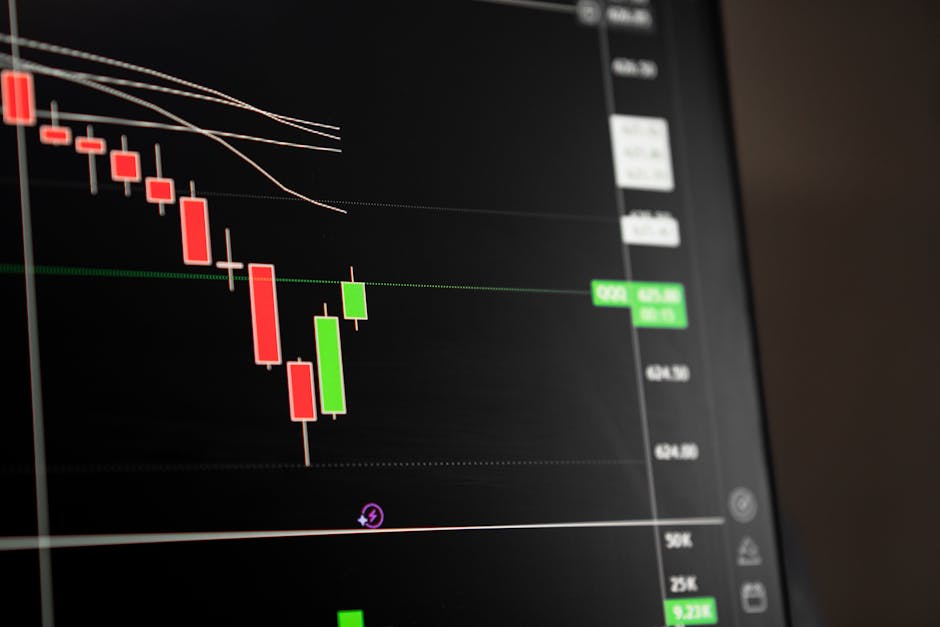
Beyond XRP, a few other names have caught attention for notable moves and high-volume activity. Layer-2 networks and fast, scalable smart contracts are back in focus as investors seek to balance exposure between established stores of value and nimble infrastructure plays. The dynamic here is simple: when technological upgrades deliver tangible improvements—like lower fees, faster settlement, and better user experience—capital tends to flow into the ecosystem that makes those features tangible for end users.
Institutional Moves: What Banks, Funds, and Regulators Are Saying
Recent headlines point to a notable shift in how traditional finance views crypto. Banks and wealth managers are not only talking about crypto as a risk-adjusted complement to traditional assets, but they’re also actively publishing guidelines and exploring regulated vehicles for exposure. A few examples illustrate the direction:
- A major bank publicly outlines a multi-asset approach for high-net-worth clients with a recommended allocation around 4% to digital assets, packaged within a diversified strategy to manage risk and drawdown potential.
- A leading wealth-management firm files for a crypto-focused trust with a top-tier regulator, signaling intent to offer more accessible products to clients while maintaining strict governance and transparency.
- A premier investment bank upgrades a popular exchange’s stock or product line, signaling confidence in the platform’s growth trajectory and ecosystem liquidity even as it recalibrates other holdings on the same day.
- Policy signals from a major economy suggest a more welcoming stance toward crypto adoption, including thoughtful tax treatment and exchange-level reforms designed to reduce friction for legitimate users and institutions.
These moves don’t guarantee a straight-up lift for every token, but they do improve the probability of sustained capital inflows. They also force investors to think about how to structure exposure: which coins have clear use cases, which platforms are backed by credible security and governance, and how to keep costs under control as on-chain activity grows.
Regulatory and Security Signals: The Double-Edged Sword
Regulatory climate and security incidents are the twin rails on which crypto trains ride. On one side, clearer rules can reduce uncertainty and attract longer-term capital. On the other, security breaches and data leaks remind investors that trust must be earned through robust infrastructure and prudent practices. In the last quarter, notable events included investigations into data exposure on major exchanges and wallets, underscoring the importance of choosing reputable custody solutions and enabling multi-factor authentication for all accounts.
Security remains a top priority for average investors. This means considering cold storage for long-term holdings, enabling hardware wallets, and keeping recovery phrases offline. It also means staying vigilant about phishing attempts, ensuring you buy from reputable sources, and keeping software and firmware up to date. The relationship between security and growth is tight: the more crypto is used in real-world contexts, the more it needs solid safeguards to maintain trust.
What the Numbers Really Say About the Global Crypto MCap $3.22
Let’s ground the discussion in practical interpretation. The figure global crypto mcap $3.22 is not just a snapshot of price; it reflects total value locked in the network at a moment in time. The implications for investors boil down to three core ideas:
- Market breadth matters. A broad-based rally across multiple tokens and ecosystems signals healthier liquidity and less dependence on a single momentum driver.
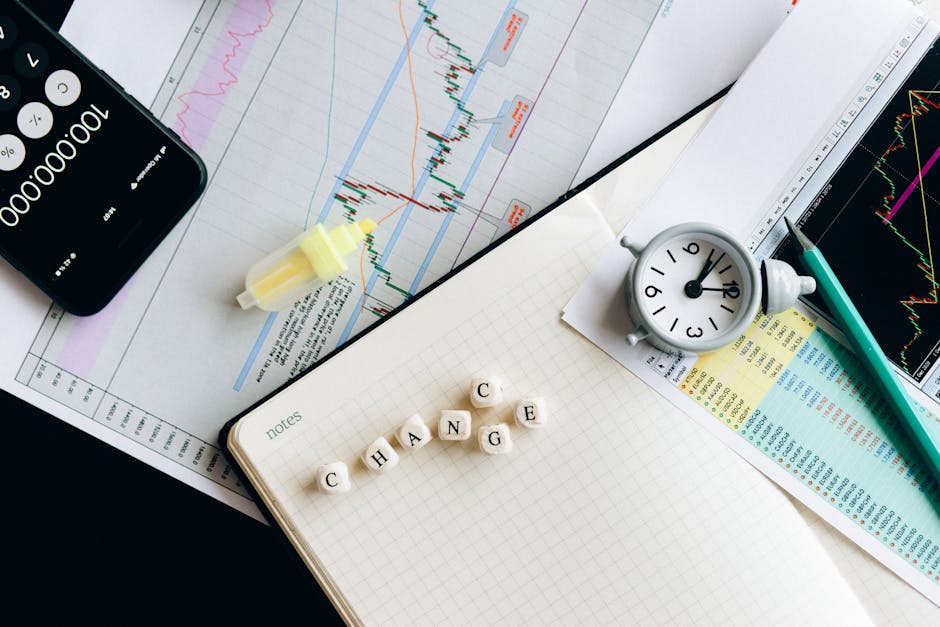
- Volatility persists, even as price levels rise. A rising market cap often accompanies wider daily swings, which means risk controls and position sizing become more important than ever.
- Assessing risk-adjusted returns is essential. A 10% gain in a single week may look good, but if your exposure comes with a 15% drawdown risk, you’ll want to rethink the balance of your holdings and the way you take profits.
For ordinary investors, the key is to translate that number into a usable plan: how much to allocate to different parts of the crypto space, when to rebalance, and how to remain within personal risk tolerances. The goal isn’t simply to chase the next surge, but to align crypto exposure with your overall financial plan, tax considerations, and time horizon. In other words, the global crypto mcap $3.22 is a signal to adjust, not a command to sprint.
How to Navigate This Market: Practical Steps for 2026
If you want to participate in the upside of the crypto market without surrendering your financial health, here is a practical framework you can apply today. It combines portfolio discipline with a careful eye on the latest market signals.
- Define your risk ceiling: Decide the maximum drawdown you’re willing to tolerate on your crypto sleeve—5%, 10%, or higher. This baseline guides how much you can allocate across volatile assets without derailing your financial plan.
- Assign a core and satellite approach: Keep a stable core of blue-chip assets (for example, BTC and ETH) and use satellites for high-conviction ideas (like select Layer-2 protocols or well-supported, high-liquidity tokens like XRP). The core should be 60-70% of your crypto exposure; satellites can take the remaining 30-40%.
- Use dollar-cost averaging (DCA): Start with a modest, regular investment schedule—weekly or monthly—so your entry price gradually improves over time and avoids the trap of trying to time the top.
- Set explicit rebalancing rules: Rebalance quarterly or when your allocation drifts by more than 5 percentage points from the target. This keeps risk within your plan and prevents overconcentration in a single theme.
- Monitor liquidity and on-chain activity: Look for rising daily transaction volumes and increasing unique addresses in networks you own. Healthy activity supports longer-term price resilience.
- Plan for tax time: Crypto gains are taxable in most jurisdictions. Keep good records of buys, sells, and airdrops, and consider whether using tax-loss harvesting could improve after-tax returns over a 12-month horizon.
Watchouts and Final Guardrails
Even with a broad positive backdrop, danger signals exist. Market leaders can falter, regulatory winds can shift, and security breaches can chill enthusiasm. Here are practical guardrails to keep you safe while staying exposed to growth opportunities:

- Limit exposure to highly volatile tokens with uncertain use cases. If a token lacks real-world utility or a clear development roadmap, cap its share of your portfolio.
- Favor exchanges and custody solutions with audited security practices and reliable track records. A small contingency fund in a regulated product can reduce stress during sudden market moves.
- Stay informed about macro factors that affect crypto demand, such as interest rate expectations, liquidity conditions, and global risk sentiment. A rising rate environment can limit speculative upside even in a favorable crypto climate.
Conclusion: The Road Ahead with Clarity and Care
The global crypto mcap $3.22 serves as a milestone that invites both optimism and discipline. While XRP’s strength and institutional moves warm the backdrop, the path forward remains a balance between growth opportunities and risk management. Investors who mix a clear plan with prudent security practices, diversified exposure, and disciplined rebalancing are more likely to translate this milestone into durable gains rather than a temporary burst. The crypto market evolves quickly, but sound strategy—anchored by personal goals and risk tolerance—offers a steady compass through the shifts ahead. The signal of the day is not just the $3.22 trillion figure, but the readiness to act in a structured, informed way.
Frequently Asked Questions
Q1: What does global crypto mcap $3.22 tell us about the market right now?
A1: It signals robust liquidity and renewed institutional interest, with investors assigning value across a broader range of assets. It also highlights the need for risk controls as volatility remains a feature of crypto markets even at higher capitalization levels.
Q2: Should I chase XRP or stick with broader market exposure?
A2: Start with core exposure to established assets such as BTC and ETH. Use small, evidence-based bets on names with clear use cases like XRP or Layer-2 platforms after you’ve built a diversified core and implemented a plan for risk management.
Q3: How can I protect my crypto investments from security threats?
A3: Use hardware wallets for long-term storage, enable two-factor authentication on all accounts, are careful about phishing attempts, and keep software up to date. Diversify storage across reputable custodians and confirm the security posture of any new platform before funding it.


Discussion