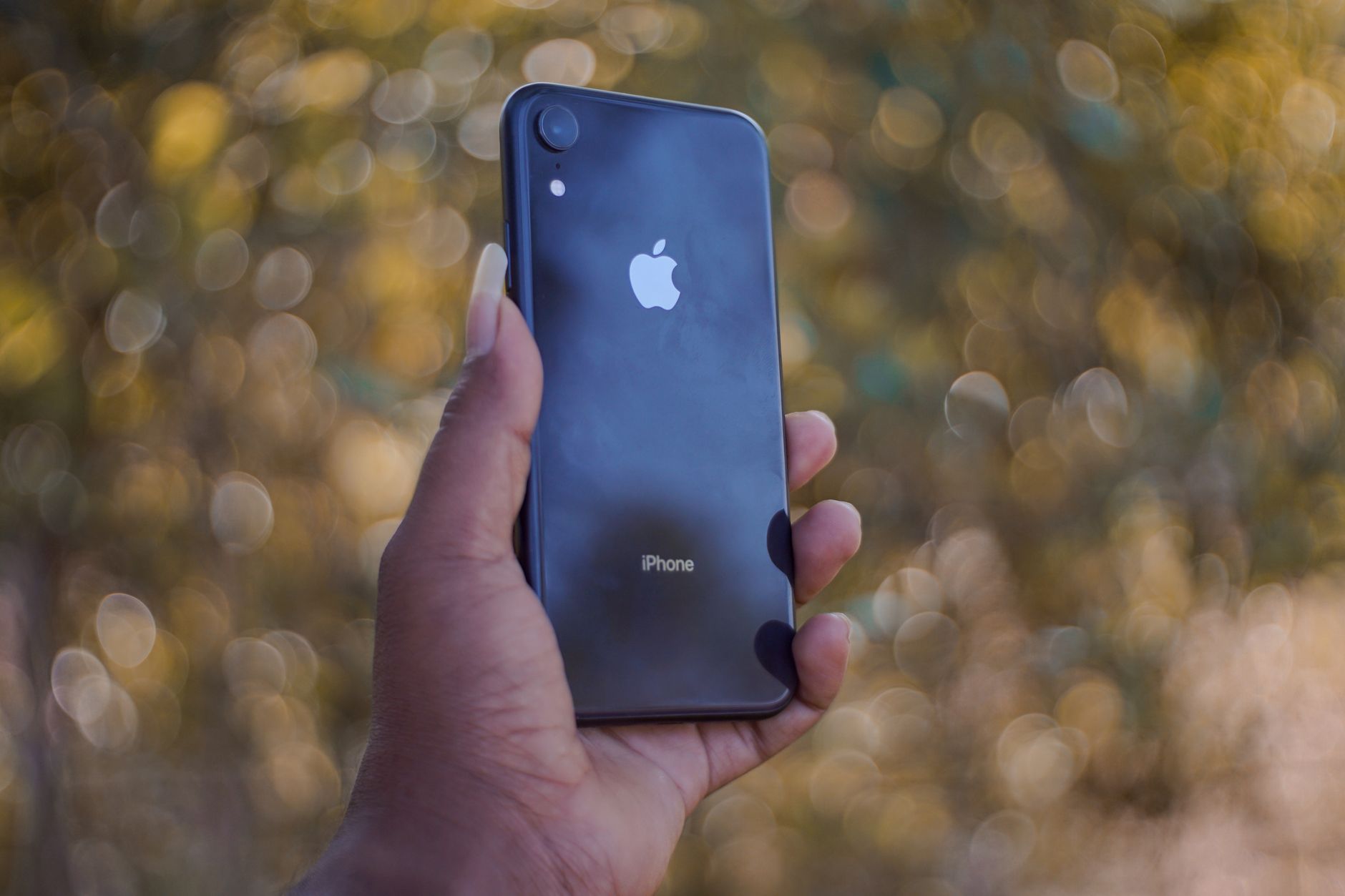
Security Debate Reaches a Turning Point
A pivotal question has resurfaced in crypto security circles as discussions intensify about whether using iphone safer than traditional hardware wallets for signing transactions. The claim, advanced by ZachXBT and supported by other researchers, challenges long‑standing assumptions about how best to protect private keys and signing approvals in a world of evolving attack surfaces. The provocative stance has sparked fresh debates across exchanges, wallet developers, and law enforcement affiliates tracking on‑chain crime this year.
What the Debate Is Really About
The core argument hinges on where risk concentrates when a user signs a transaction. Hardware wallets excel at isolating keys from a compromised computer, but they still show a limited amount of information about the action being approved. Critics of the device‑centric view say a well‑hardened smartphone, with its sandboxed apps, biometric protections, and larger display, can present clearer, more trustworthy transaction details to the signer. The question is subtle: can the phone’s advantages compensate for any residual exposure when a signing prompt is manipulated on screen?
Proponents of the idea insist that using iphone safer than traditional wallets in practice because the device ecosystem can deliver stronger malware resistance, better user verification, and a more comprehensive defense‑in‑depth approach. Opponents argue that any single device, no matter how secure, remains a single point of failure if the user is tricked into approving a fraudulent transfer. The argument is not about a perfect solution; it’s about whether one path reduces risk more effectively in real‑world scenarios.
Key Claims and How They Stand Up
Advocates point to several factors that could tilt the balance in favor of the iPhone. A hardened operating system, robust app sandboxing, biometric locks, and a larger screen can help a signer verify details more clearly before giving consent. They emphasize that a well‑designed mobile signing flow can reveal warnings or inconsistencies that a hardware wallet’s smaller display might miss. As a result, the argument grows that using iphone safer than a hardware wallet in certain attack vectors, particularly those tied to user interface deception.
Detractors counter with a stark reminder: the security of signing always depends on the last action—the moment of approval. If the signer is shown manipulated information, the result is a valid signature for a theft. The hardware wallet’s critical advantage—never exposing private keys online—doesn’t automatically prevent clever UI tricks from turning legitimate looking prompts into unauthorized transfers. The debate, therefore, centers on how much the platform itself can reduce the likelihood of user error and whether that reduction is enough to declare one device safer than another across all scenarios.
Recent Attacks That Shape the View
Recent high‑profile incidents illustrate where the risk concentrates: at the moment a user approves a transaction. In one widely cited case, attackers manipulated what a signer saw on their screen, leading to roughly $1.5 billion in losses as signatures were collected for transfers the signers believed were routine. The devices involved could not display enough of the transaction’s meaning for a watcher to catch the swap before approval.
Months earlier, another major theft occurred when developers using hardware wallets signed a malicious workflow that looked normal on the screen, resulting in about $50 million in losses. A five‑step flowchart widely circulated in security analyses traces how manipulated interfaces produced valid signatures in both cases. The common thread is clear: the failure lay not in the cryptographic keys themselves but in the approvals those keys generated.
Industry Trends and the 2025–2026 Crime Picture
Security researchers and law‑enforcement partners have observed that the problem extends beyond any single device category. Chainalysis and other analytics firms have reported a broad spectrum of wallet compromises, reinforcing that key isolation is only part of the self‑custody challenge. In 2025, the industry tracked approximately 158,000 individual wallet compromises affecting about 80,000 victims and totaling roughly $713 million in losses. The mix of attack types shows attackers leveraging both on‑device weaknesses and social engineering that targets the signing step.
As the community weighs the validity of the using iphone safer than hardware wallets argument, observers stress that making signing safer requires layered protections: secure OS foundations, clear transaction previews, strong phishing resistance, and better user education about what the signer is approving. The mid‑2026 reality remains that no single device can entirely eliminate the risk of fraudulent approvals, but some configurations may reduce exposure more than others.
Trade‑offs: What This Means for Users
- Screen visibility and verification: Larger, clearer displays may help users spot oddities in a transaction.
- OS and app security: A hardened system with strict sandboxing reduces the chance of a signing prompt being tampered with before approval.
- Key isolation: Hardware wallets still isolate keys offline, but a phone can integrate identity and verification flows that hardware wallets cannot easily replicate.
- Risk of manipulation: Regardless of device, attackers rely on deceiving the signer at the moment of approval; the core danger remains in what the signature authorizes.
What Investors and Builders Are Watching
Investors are watching how wallet developers and smartphone platforms adapt to this evolving risk landscape. If the industry accepts that using iphone safer than hardware wallets in a substantial share of cases, we could see shifts in product design, user onboarding, and incident response. Some firms are already exploring signing workflows that require multi‑factor confirmation on separate devices or additional on‑screen warnings that cannot be bypassed with a single tap.

Industry leaders caution that this is not a call to abandon hardware wallets. Instead, it is a prompt to re‑examine the entire signing process—from key storage to user education—and to consider hybrid approaches that blend device strengths with user‑centric protections.
Market Reactions and Forward Look
Markets and communities in crypto are reacting with cautious curiosity. Early discussions have led to pilot programs that test enhanced signing prompts on mobile devices and cross‑device confirmations. Analysts say any shift toward endorsing using iphone safer than hardware wallets would hinge on measurable reductions in misapproved transactions, clear success metrics, and transparent reporting of incidents tied to signing flaws.
As 2026 unfolds, the debate will likely accelerate as more security researchers publish case studies, and exchanges publish governance updates on how they vet signing workflows during withdrawals and transfers. The crypto security conversation is moving from a binary device choice to a broader framework: how do we minimize the chances of a user being fooled into signing a fraudulent transfer, regardless of the device in front of them?
Bottom Line
The industry is not near a verdict on whether using iphone safer than hardware wallets in absolute terms. What is clear is that the signing step remains the most exploited choke point in self‑custody. The debate spearheaded by ZachXBT spotlights a critical truth: upgrading one device’s security features may not suffice if the user is misled at the moment of signing. Instead, the path forward likely lies in layered defenses that improve visibility, verification, and education across all signing surfaces.
For investors and builders, the message is practical: expect more experiments with signing flows, stronger emphasis on transaction previews, and clearer disclosures about the risks tied to the moment of approval. The crypto security community will continue to test whether using iphone safer than hardware wallets, while keeping a wary eye on real‑world thefts that hinge on what a signer decides to authorize.
Discussion