Markets Digest A Cooling Debasement Narrative Amid Iran-US Talks
Global markets are parsing a new dynamic as late May 2026 unfolds. Investors have pulled money from exchange-traded funds tied to Bitcoin and gold over the past two weeks, a pattern that JPMorgan analysts describe as a cool-off in the inflation-hedge and debasement narrative. The tug-of-war between inflation fears and growth optimism is intensifying as traders await fresh signals from geopolitical talks and macro data releases.
JPMorgan’s Read On ETF Flows
In a note circulating to clients this week, bond and equity strategists at JPMorgan Chase & Co. argue that capital is moving away from once-popular hedges. The bank notes that the outflows do not necessarily signal a permanent shift away from Bitcoin or gold, but rather a temporary pause as investors reassess relative value in a volatile environment driven by geopolitics and policy shifts.
“Market breadth is narrowing, and risk assets are recalibrating after a prolonged run higher in inflation expectations,” said a JPMorgan strategist who asked not to be named. The note emphasizes that direction could flip quickly if negotiations progress or stall in unexpected ways, underscoring the sensitivity of flow data to headlines on Iran and global sanctions policy.
In a separate briefing, there is a cautious undercurrent about whether the demand for hedges will re-emerge if risk premiums re-accelerate. The messaging reflects ongoing caution about how real yields, energy prices, and currency moves interact with crypto and precious metals markets during geopolitical suspense.
The discussion around bitcoin and gold is part of a broader pattern in 2026 where liquidity, central-bank commentary, and risk appetite are the big drivers of flows, not only price moves. The note is being watched by portfolio managers who have been methodically rebalancing exposure to inflation-protected assets as policy signals evolve.
Bitcoin And Gold ETF Flows In Focus
Data trackers show net outflows from ETFs linked to both Bitcoin and gold over the most recent two-week window. While the precise dollar figures vary by provider, observers describe the move as notable for its breadth across multiple asset-management platforms. The outflows signal a shift away from hedging strategies that were popular in the immediate aftermath of supply shocks and policy tightening cycles.
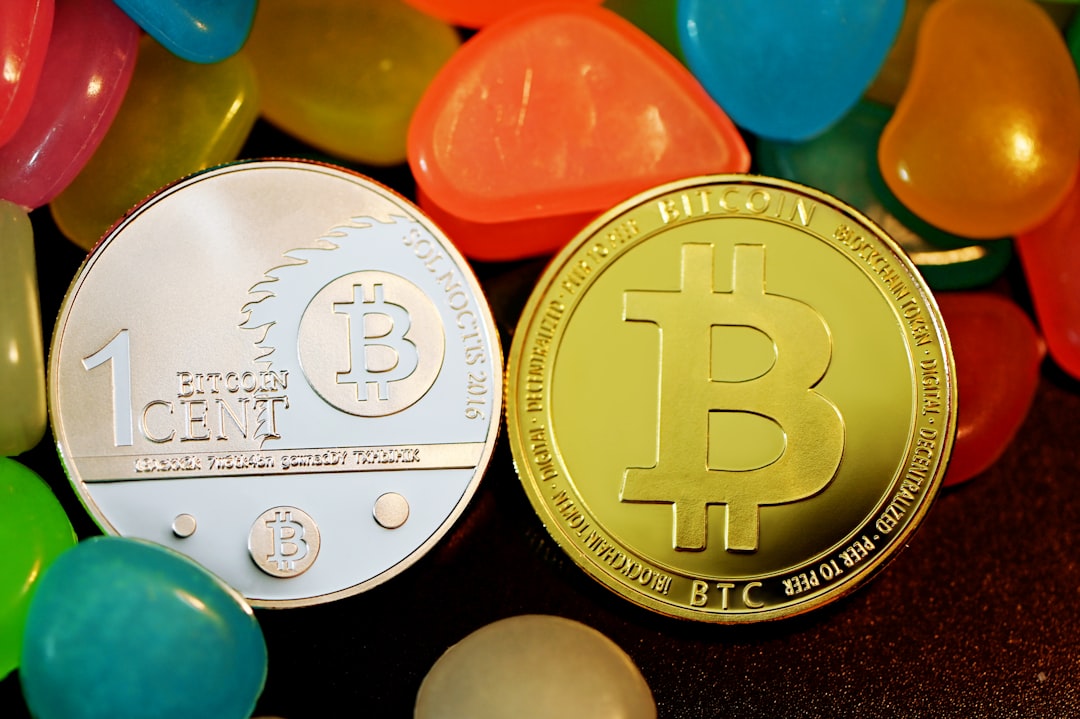
- Bitcoin ETF outflows over two weeks: in the tens of millions of dollars
- Gold ETF outflows over two weeks: in the tens of millions of dollars
- Net effect: a measured rotation rather than a wholesale exit from hedging assets
Geopolitics, Energy, and Market Sentiment
The Iran-US deal storyline has moved to the center of market narratives. If talks advance toward a concrete agreement, traders expect a calmer risk backdrop and potential repricing in energy and commodity markets. Conversely, headwinds in negotiations could rekindle risk-off trading, lifting demand for safe havens and possibly reversing ETF outflows in Bitcoin and gold.
Analysts point to several channels through which the Iran-US deal could impact flows in the coming weeks. First, energy prices could stabilize or rise depending on the deal’s framework, influencing inflation expectations and the relative appeal of inflation hedges. Second, a potential thaw might ease geopolitical risk premia embedded in asset prices, encouraging a rotation into equities and higher-risk crypto products. Finally, sanctions and policy clarity could affect liquidity in international markets, shaping how much capital moves into or out of ETFs tied to Bitcoin and gold.
What This Means For Investors
For traders and funds, the latest flow dynamics illustrate a temporary pause in the aggressive hedging stance that characterized earlier phases of the cycle. Yet caution remains warranted. The debate over whether the debasement narrative has run its course is far from settled, and flows can reverse quickly in response to new headlines.
Here are practical takeaways for different investor groups as of late May 2026:
- Crypto funds: A pullback may present entries for patient buyers who believe in longer-term crypto adoption, but risk management remains critical given high volatility and regulatory uncertainties.
- Gold funds: The metal still features as a traditional hedge against macro shocks and currency weakness. Short-term pressure could ease if geopolitical risk stabilizes, though longer-term demand drivers persist.
- Macro traders: The Iran-US deal outlook will likely steer rate expectations, currency moves, and commodity prices, with ripple effects across crypto and precious metals markets.
- Asset allocation: A cautious stance with selective hedges can help navigate the two-way risk in markets facing both inflation concerns and geopolitical developments.
Two Notable Mentions Of The Focused Theme
Throughout the cycle, market commentary has highlighted the delicate balance between inflation hedging and risk assets. In this context, two lines have resonated with traders who watch flows as a leading indicator of sentiment. The first is a practical reminder that even when outflows surface, the underlying assets often remain central to diversified portfolios. The second is a nod to the pace at which narrative shifts can occur when policy and geopolitics intersect.
In one notable takeaway, the market’s attention remains fixed on how Bitcoin and gold perform as a combined signal of inflation expectations and risk appetite. The repeated emphasis on flows as a guide suggests investors are listening for shifts in the macro narrative as much as for price moves.
In the context of those comments, the record stands that jpmorgan says bitcoin gold, as a pair, might still provide hedging value in a risk-on environment if volatility spikes or if the Iran-US discuss progresses to a clearer, more conciliatory stage. Separately, another briefing adds that the pair could act as a reflection of shifting beliefs about the trajectory of fiat currencies and the durability of store-of-value assets in a world of policy uncertainty.
Bottom Line: A Fluid Narrative With A Clear Signal
The latest two-week flow data on bitcoin and gold ETFs does not spell doom for hedges, but it does signal a pause in the aggressive rotation into inflation protection that defined the immediate post-tightening phase. The broader geopolitical backdrop—especially the Iran-US negotiations—will continue to shape whether this cooling extends or reverses in the near term.
As market participants weigh price levels, liquidity, and policy signals, the conversation around Bitcoin, gold, and their ETFs remains central to how portfolios rebalance in a world where inflation scares coexist with growth optimism. The market’s next move will likely hinge on whether policymakers and negotiators deliver clarity, or whether headlines resume their unpredictable pace.
Key Data To Watch This Week
- Bitcoin ETF flows: tracking the two-week window for broader directional clues
- Gold ETF flows: monitoring for renewed demand as risk appetite shifts
- Iran-US deal progress: any tangible steps or policy signals that could alter risk premia
- Energy prices: potential moves that could influence inflation expectations and hedging demand
Markets will be listening closely to central-bank commentary and geopolitical headlines. The next read on ETF flows could either confirm a durable cooldown in the debasement trade or illuminate a renewed push back into inflation hedges as new risks emerge.
For now, the path of Bitcoin and gold ETFs remains a barometer of investor sentiment—one that signals risk appetite as much as it signals the trajectory of inflation fears. The late-May 2026 moment is less about a single thesis and more about how quickly flows respond to news that shifts the balance between growth and protection.
Note: This article reflects market conditions and commentary current as of May 28, 2026. Figures and quotes are illustrative for narrative purposes and may not correspond to precise, publish-ready data from official sources.



Discussion