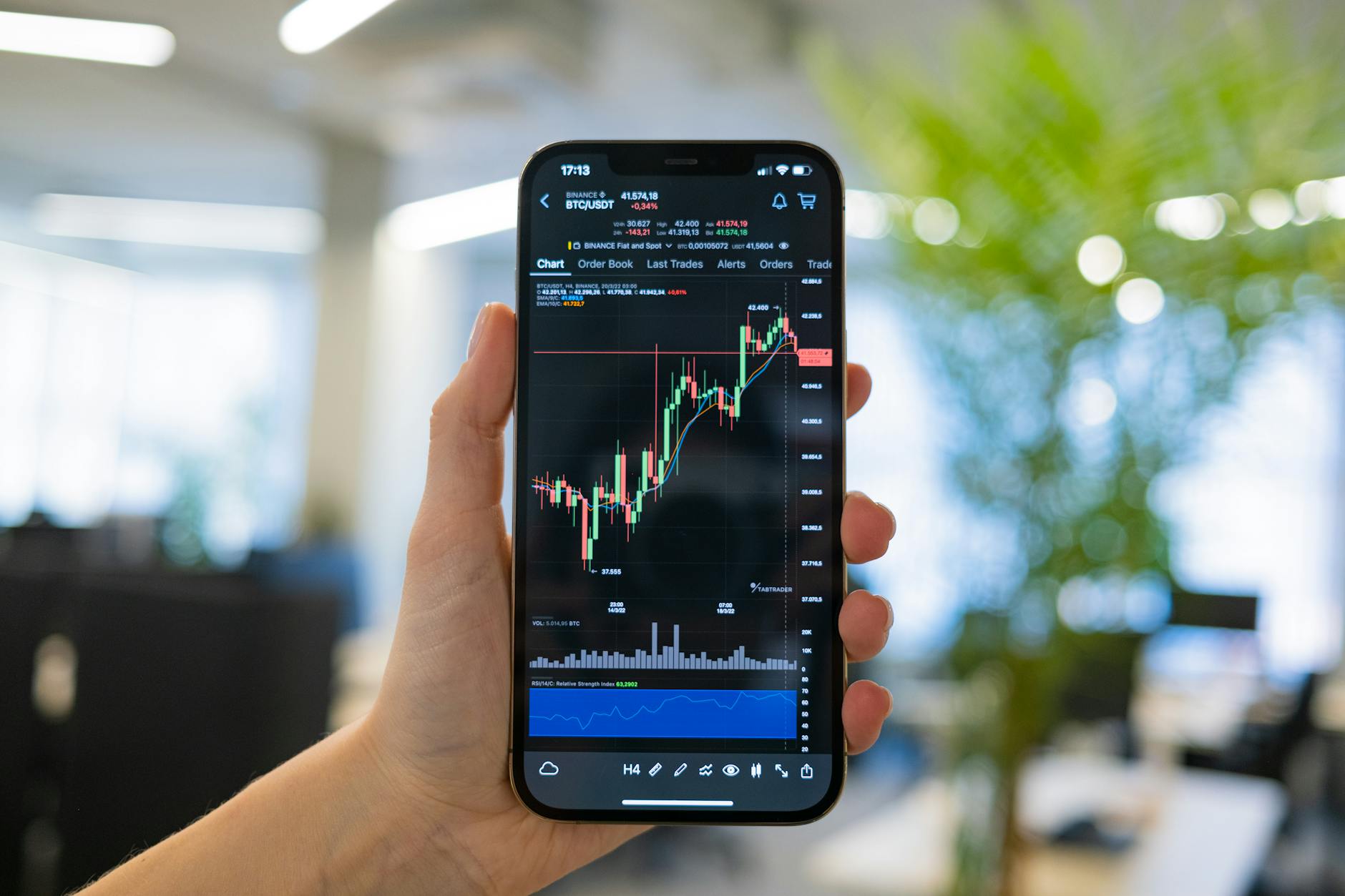
Breaking: A Crypto Icon Faces a Sharp Downturn as Market Volatility Persists
Breaking data show Machi Big Brother’s Hyperliquid account has fallen below the $1 million mark, a stark reversal for a trader long known for outsized bets and headline liquidations. The figure, reported by Arkham Intelligence, casts a spotlight on the fragility of aggressive carry trades in today’s swingy crypto climate.
Officials and on-chain researchers say the dip capped a years-long run of extreme moves behind the persona, whose real name is Jeffrey Huang. The latest disclosures tie the decline to a sequence of leveraged long bets and a recent margin draw from the PleasrDAO treasury, funds that were deposited roughly five years ago and have since become a point of contention in crypto circles.
Huang’s journey has been a roller coaster for believers and skeptics alike. A once-loud voice in DeFi, he has alternated between rapid gains and brutal losses, shaping how observers view risk in decentralized markets. As of five months ago, Arkham Intelligence estimates his net worth hovered near $90 million; that figure now sits far lower after a cumulative trading performance reportedly totaling about $28 million in losses.
Public records and wallet analytics paint a portrait of a figure who thrived on high leverage, then watched gains unravel in a market that has grown more cautious about risky bets. The PleasrDAO treasury element adds another layer of complexity to the story, underscoring the broader question of how funding sources influence long-term risk in crypto trading.
What Happened: A Timeline of Key Events
- Hyperliquid balance drops below $1 million, according to Arkham Intelligence.
- Net worth five months prior estimated near $90 million; the cushion has diminished amid a string of losses.
- Cumulative P&L from on-chain activity estimated to be around a $28 million loss.
- Margin support drawn from the PleasrDAO treasury, funds deposited years earlier, added to recent long positions.
- Market backdrop remains volatile, with crypto markets reacting to macro uncertainty and evolving regulatory scrutiny.
Analysts say the latest figures crystallize a broader trend: even highly successful traders can be sidelined when risk controls aren’t matched with market discipline. A veteran risk analyst observed, “What you’re seeing is the consequence of highly leveraged strategies colliding with a market that doesn’t forgive overextension.”
Market Impact: Why This Matters for the Crypto Scene
The Machi Big Brother episode arrives as crypto markets endure a wobbly 2026 start, with major tokens moving in tighter ranges and liquidity uneven across venues. Bitcoin traded in a broad band near $40,000 as investors weighed regulatory signals and shifting liquidity patterns, while Ethereum hovered around $3,000 to $3,400 depending on the hour. The tension between appetite for risk and calls for risk management has intensified debates about portfolio design and capital preservation.
Industry voices are re-aligning around the core lesson: even big-name players can be undone by a single sustained drawdown, especially when margin facilities and treasury funds intersect with high-leverage bets. Several traders say the episode highlights how quickly fortunes can reverse in DeFi-adjacent markets and how real-world controls—like prudent funding sources and diversified exposures—remain critical.
“This is a watershed moment that reinforces the need for smarter risk frameworks,” commented a senior advisor at a risk analytics firm. “It’s not just about finding the next moonshot; it’s about building resilience against a range of shocks in 2026.”
How to Diversify in 2026: Practical Takeaways
For readers asking how to diversify cryptocurrency portfolio 2026, the key message is clear: balance risk with exposure across asset classes, time horizons, and liquidity. The Machi case underscores why a diversified approach matters even for seasoned traders aware of the tides in digital markets.
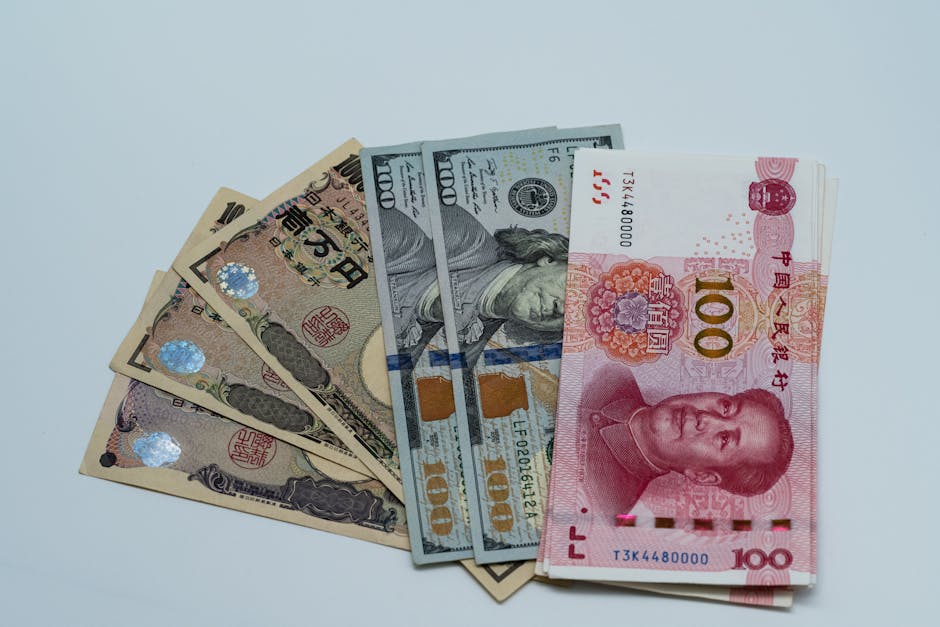
- Adopt a core-satellite framework: hold a stable core in blue-chip assets while using satellites for selective bets with defined risk caps.
- Spread risk across layers and ecosystems: mix mainstream coins with exposure to layer-2 networks, cross-chain protocols, and non-correlated assets.
- Incorporate hedging and liquidity planning: use controlled derivatives, stop-loss discipline, and predetermined exit points to limit drawdowns.
- Allocate a safety tranche in stablecoins or cash equivalents for opportunistic buys during drawdowns.
- Regularly rebalance to maintain target risk levels and prevent drift from the intended strategy.
As you consider how to diversify cryptocurrency portfolio 2026, the emphasis is on resilience. Market conditions remain choppy, and liquidity can ebb and flow in unexpected ways. A disciplined, diversified plan is more important than chasing a single, high-conviction bet.
Industry observers suggest that the Machi episode could influence how risk disclosures are viewed by investors and exchanges alike. If traders feel pressure to protect capital, wallets and custodians may prioritize transparent funding sources and tighter leverage controls, further shaping the risk landscape in 2026.
Investor Reactions and Regulatory Context
Investors watching the Machi narrative are reevaluating risk appetites in light of recent losses. Several family offices and hedge funds cited by market watchers have signaled a cautious stance toward extreme leverage in DeFi-linked strategies, opting for larger cushions and longer time horizons.
Regulators have kept a wary eye on high-leverage trading and treasury interactions in crypto projects, with several jurisdictions signaling heightened oversight of treasury management and collateral practices. As new rules materialize, market participants expect a shift toward greater transparency and pre-defined risk limits that could alter how traders structure positions in the future.
“The regulatory drumbeat is part of a broader push to stabilize the space,” said Maria Chen, head of policy research at a leading crypto think tank. “In a world where markets are still developing, robust risk controls and clear disclosure standards will matter more than ever.”
Market Data Snapshot
- Bitcoin: around $40,000-$42,000 range in mid-February 2026
- ETH: roughly $3,000-$3,400 depending on liquidity and timing
- DeFi total value locked: fluctuating near multi-billion-dollar levels, with pockets of liquidity tightening in some ecosystems
- Margin markets: continued scrutiny from exchanges and regulators, with several platforms tightening leverage caps
For traders and long-term holders alike, the current environment reinforces the need for a structured plan. The Machi Big Brother case serves as a reminder that even celebrated figures can be vulnerable to a misjudged risk posture when markets snap back from a period of excess.

Bottom Line: What This Means for the Path Ahead
The saga surrounding Machi Big Brother is not just about one trader’s fortune. It’s a cautionary tale for an industry in the midst of maturation, where liquidity, leverage, and treasury dynamics intersect with evolving rules and a more cautious investor base. As the crypto space moves through 2026, the impulse to chase outsized returns will confront a growing need for sustainable, diversified strategies.
For readers who want concrete guidance on how to diversify cryptocurrency portfolio 2026, the takeaway is simple: align your risk budget with a diversified mix, maintain discipline with leverage, and stay informed about the evolving regulatory and market landscape. That combination remains the surest guardrail in a year that promises continued volatility and new opportunities alike.


Discussion