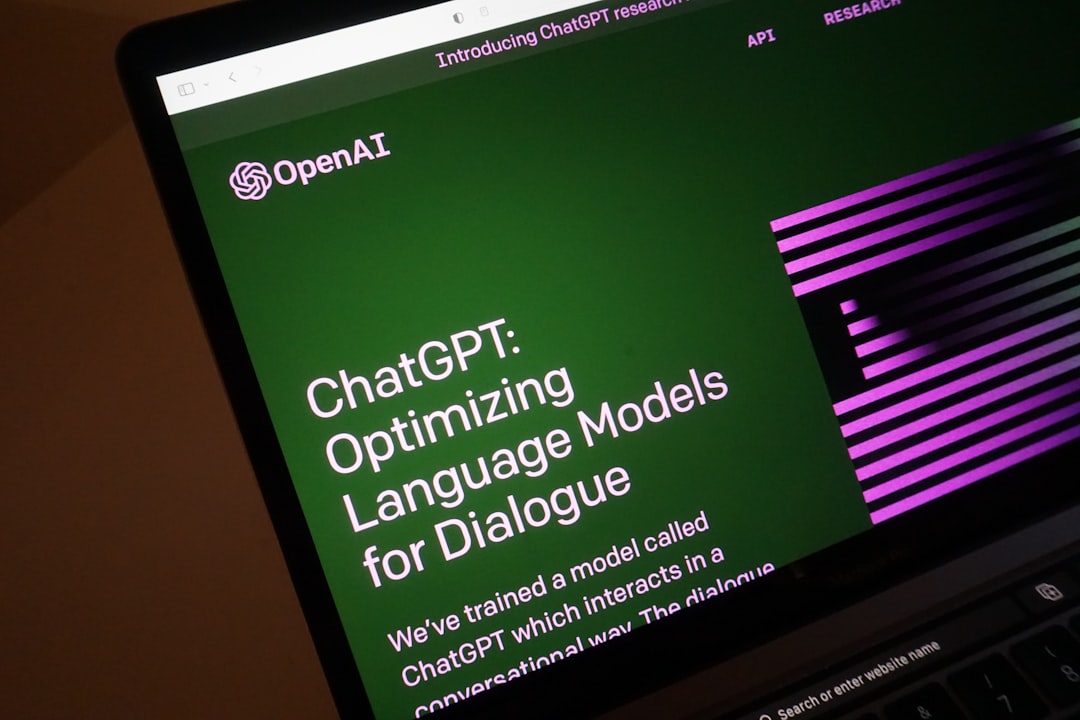
The Timely Move: OpenAI Unveils GPT-5.4 Amid an Exodus
In a moment that drew attention from both tech analysts and crypto traders, OpenAI introduced GPT-5.4 just days after a wave of user departures shook confidence in the vendor’s roadmap. The timing isn’t accidental. When a large segment of users pulls back in protest or scrutiny, a company’s next generation product often serves as a signal to the market: we heard you, and we doubled down on capabilities that could change how businesses operate. For those watching crypto markets, this timing is especially provocative because AI tools are increasingly embedded in automated trading, risk modeling, and on-chain analytics.
For many crypto participants, the exodus wasn’t just about software updates. It reflected debates over governance, transparency, and the ethics of defense-related contracts that touch publicly funded technology. The open question remains: can a new AI model restore trust, or will it be viewed as another milestone in a fast-moving, high-stakes field? The launch of GPT-5.4 is being watched not only for its technical prowess but also for how it aligns with the responsible use of AI in volatile financial markets.
What Makes GPT-5.4 Different: Quick Upgrades, Safer Defaults
Every new AI release promises improvement, and GPT-5.4 is no exception. OpenAI emphasizes speed, better reasoning, and safeguards that aim to curb hallucinations and unsafe prompts. In practical terms for crypto users, the model could offer clearer market summaries, more accurate on-chain data interpretation, and safer automation rules. The differences aren’t just about speed; they hinge on a refined risk layer that can help traders avoid common missteps when markets swing 10% in a single session.
- Longer context windows for analyzing multi-step trading strategies without losing track of prior decisions.
- Improved data provenance so analysts can trace how a model arrived at a recommendation.
- Stronger guardrails to reduce the chance of misinterpretation of on-chain signals during fast moves.
For crypto teams building with AI, GPT-5.4 could translate into more reliable chatops for exchange bots, clearer summaries of on-chain metrics, and faster backtesting of strategies. The impact on day-to-day tooling could be modest at first, but it could compound as developers lean into more complex prompts and new plug-ins that interpret DeFi data in real time.
Open Conversation: How Traders Might Use GPT-5.4 in Crypto
Traders are not expected to replace human judgment with a single model. Instead, they’ll likely use GPT-5.4 as a decision-support layer. Imagine a setup where the model ingests live prices, on-chain activity, and news sentiment, then outputs a structured risk assessment with clear actionables. In practice, that could look like a daily summary of liquidity conditions across major liquidity pools, a projected risk score for a given asset, and prompts for what to monitor during a liquidity drought or spike in volatility.
The QuitGPT Exodus: What Pushed Users Away—and What Draws Them Back
News of the exodus circulated through forums and institutional briefings, with critics arguing that AI contracts tied to defense and government programs can create opaque dependencies. The argument wasn’t solely about military contracts; it was about trust, alignment, and the sense that large platforms may sway product roadmaps away from user needs. In crypto, trust matters more than ever. Projects rely on transparent data feeds, reliable decisioning, and predictable governance. When a big platform experiences a public fracture, the ripple effects can show up as delayed integrations, churn among developers, and skepticism among traders who depend on AI for timely insights.
OpenAI’s response to these concerns included new governance and transparency updates, plus a pledge to clarify how partnerships align with user safety and market integrity. The outcome remains to be seen, but the market is watching closely. The phrase openai launches gpt-5.4 days is often echoed in discussions about whether this release is a turning point or a temporary bridge over a widening gap in user trust.
Crypto Markets React: AI, Liquidity, and Strategy Shifts
The crypto ecosystem thrives on data. AI models that can parse on-chain signals, macro trends, and sentiment help traders spot edges. The release of GPT-5.4—paired with the ongoing exodus—has created a two-sided dynamic. On one side, emerging AI capabilities promise more accurate forecasting, better risk controls, and automatic reporting that can reduce the time to decision. On the other side, the political and ethical questions surrounding the exodus feed a cautionary mood: if users flee a platform on governance grounds, how much should a trader trust a guardian of AI protocols?
Market observers note that the immediate volatility following the launch was modest, but the longer-term effects are more interesting. Some analysts expect AI-assisted tools to become standard in crypto hedge funds and retail traders alike within the next 12 to 18 months. If GPT-5.4 proves robust in parsing DeFi data—liquidity pool balances, impermanent loss indicators, and lending rates—it could become a staple of automated strategies that require quick, data-driven decisions.
- Automated risk flags when a token’s liquidity dries up in a major pool.
- Backtested prompts that generate hedging recommendations during drawdowns.
- Real-time summaries that merge price action with on-chain metrics like active addresses and transaction counts.
Real-World Use Cases: How to Apply GPT-5.4 in Crypto Workflows
For crypto teams, GPT-5.4 opens new workflows without requiring a total overhaul of existing systems. The model can act as a smart assistant that translates raw numbers into actionable insights. Here are practical use cases and step-by-step prompts you can adapt today:
- Portfolio risk briefing: "Summarize current risk in my portfolio with a focus on liquidity risk, funding rates, and potential drawdown scenarios for the next seven days."
- On-chain health checks: "List the top three assets with declining liquidity across major pools and provide a one-page rationale for each."
- Sentiment-to-action: "Provide a sentiment score for Bitcoin from social media and combine it with price momentum to suggest an alert threshold for entry or exit."
Beyond portfolio management, GPT-5.4 can assist developers building AI-powered crypto apps. For example, it can validate data feeds, announce changes in API schemas, and help document complex trading rules in plain language. In a regulated environment, clear, auditable prompts and responses can support compliance and governance frameworks.
AI and crypto share a common risk: both operate at the edge of rapid change. The collaboration between AI developers and crypto firms must emphasize transparency, fairness, and guardrails to protect investors. The openai launches gpt-5.4 days narrative has raised questions about how updates may alter risk models, automated trading behavior, and market integrity. Regulators are watching, not to stifle innovation but to ensure that automated systems do not amplify market fragility during stress events.
From a consumer perspective, users should demand clear disclosures about how AI tools are used in trading platforms, what data is collected, and how results are validated. For institutions, stronger governance around AI-enabled risk models—along with independent testing and third-party audits—will be critical as GPT-5.4 and future iterations become more interwoven with financial products.
The crypto landscape rewards clarity. As openai launches gpt-5.4 days, investors should set clear criteria for when to adopt AI tools, how to measure performance, and how to protect funds during transitions. Here are practical guidelines to help you stay ahead without risking your capital.
- Define success metrics: accuracy of signals, latency, and incident rate of misinterpretations, and track them quarterly.
- Use staged deployments: start in a sandbox, then botched trades with tiny allocations, before scaling to larger positions.
- Separate AI-driven signals from manual decisions to avoid over-reliance on a single source of truth.
The launch of GPT-5.4 arrives at a crossroads for AI and crypto. If the model delivers tangible gains in reliability and interpretability, and if governance and safety concerns are addressed, the integration of AI into crypto workflows could accelerate efficiency and reduce some traditional trading frictions. On the other hand, persistent questions about governance, transparency, and dependencies could slow adoption and push teams to build more resilient, auditable AI systems rather than chasing the latest capabilities at breakneck speed.
For openai launches gpt-5.4 days, this moment may become a case study in how tech leadership interacts with financial markets. It’s a reminder that in finance, tools are only as good as the trust they inspire and the safeguards that surround them. The next 12 months will reveal whether GPT-5.4 becomes a steady foundation for crypto innovation or a turning point that prompts a broader, more cautious approach to AI-enabled investing.
Conclusion: Balancing Opportunity with Prudence
OpenAI’s release of GPT-5.4, coinciding with ongoing debates about the exodus and governance, underscores a central theme for crypto and tech alike: advances in AI bring clear opportunities for smarter trading, better risk control, and more accessible analytics. Yet they also demand greater transparency, tighter risk controls, and deliberate governance. For traders, developers, and investors, the takeaways are straightforward: stay curious, test diligently, and anchor AI workflows in auditable processes. As the openai launches gpt-5.4 days narrative continues to unfold, the true test will be how well the market integrates stronger AI tools without compromising trust or stability.
FAQ
What is GPT-5.4 and why does it matter for crypto?
GPT-5.4 is OpenAI’s latest language model upgrade, emphasizing speed, accuracy, and safety. For crypto, it can improve on-chain data interpretation, automated risk alerts, and AI-assisted trading workflows when used responsibly.
How should traders test new AI tools in crypto?
Start in a sandbox with small capital, compare AI outputs to trusted sources, implement guardrails, and gradually scale as performance proves stable over multiple cycles of market stress.
What about the concerns raised during the exodus?
Concerns around governance, transparency, and defense-related contracts have driven some users away. The key is to demand auditable AI governance, clear disclosures, and independent reviews before integrating AI into critical trading or risk systems.


Discussion