
Introduction: A New Chapter for Gold, Royalties, and Crypto
Investors are watching the convergence of traditional mining finance and the fast-evolving world of crypto assets. A precious metals royalties firm could pioneer a model where dividend payments come in tokenized gold, leveraging stablecoins and digital custody to bridge the gap between physical assets and digital liquidity. This idea isn’t purely theoretical. It reflects a broader trend: taking the steady cash flows of mining royalties and pairing them with the accessibility and speed of tokenized assets. For readers seeking practical ways to diversify beyond stocks and bonds, this approach offers a fresh lens on how to gain exposure to precious metals while embracing a crypto-enabled payout stream.
What a Precious Metals Royalties Firm Is (And Isn’t)
At its core, a precious metals royalties firm owns a stake in the revenue stream generated by mining operations. Instead of controlling the mine or taking a large equity position in the operator, the royalty holder collects a percentage of revenue or a fixed payment based on the amount of metal extracted. This structure can provide ongoing cash flows with relatively low operating risk, assuming the mine operates as planned and metal prices don’t collapse.
Key characteristics to keep in mind include:
- Cash-flow driven: Royalties depend on production volumes and realized prices, which makes them sensitive to commodity cycles.
- Non-operational exposure: The royalty holder isn’t responsible for mine development, exploration, or mine closure costs.
- Diversification potential: A portfolio of royalties across different metals, jurisdictions, and stages can smooth returns.
In this evolving scenario, a precious metals royalties firm could extend its value proposition by offering dividends in tokenized gold. That twist creates a bridge from the physical-to-digital spectrum, potentially expanding access to a broader cohort of investors who want gold-like exposure without the friction of physical custody or traditional metal accounts.
Tokenized Gold and Tether’s XAUT: A Quick Primer
Tokenized gold is the digital representation of physical gold assets on a blockchain. Each token is designed to reflect the value of a real ounce of gold held in reserve, with the issuer promising custody and redeemability. Tether’s XAUT is one of the prominent tokenized-gold offerings that aims to combine the stability of gold with the speed and programmability of crypto rails.
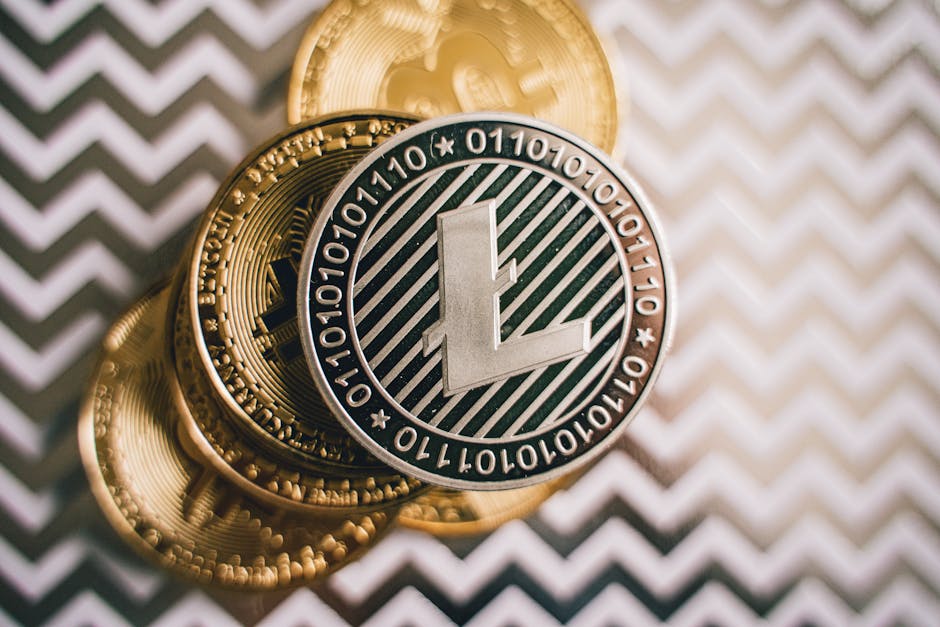
How do dividends in tokenized gold work in practice? The issuer streams cash flows from mining royalties to token holders in XAUT or another stable value token pegged to gold. Investors receive their share as tokenized units that can be held, transferred, or redeemed for physical gold under the issuer’s framework. The actual mechanics vary by platform, but the flow typically looks like this:
- Royalty cash flow is collected from mining operations.
- A portion is allocated to dividend reserves and tokenized payout pools.
- Token holders receive digital claims in XAUT, representing their share of the gold dividend.
- Holders can redeem or convert tokens to other crypto assets or to physical gold, depending on the program terms.
For readers, the practical appeal is straightforward: you gain exposure to gold via a regulatory-friendly asset class, while enjoying faster settlement and potential liquidity through the crypto market. The risk is that tokenized dividend programs must be well-governed, with clear custody, redemption, and tax rules to prevent value erosion during market stress.
Why This Model Could Matter: Benefits for Investors
Blending a precious metals royalties firm with tokenized gold dividends can offer several potential benefits to investors:
- Liquidity and accessibility: Crypto tokens can be traded quickly across exchanges, enabling faster access to cash or rebalancing compared with physical gold or traditional mining stocks.
- Diversified exposure: Investors can gain gold-like income streams without owning the metal outright or taking on mining-specific risks.
- Transparency and traceability: Blockchain rails can provide clear records of dividend distributions, token issuance, and redemption activity.
- Inflation hedging potential: Gold has historically acted as a hedge during inflationary environments, while crypto-enabled payouts can improve the portfolio’s cash-flow profile.
- Regulatory clarity around some assets: If properly structured, tokenized gold payouts may fit within existing securities or commodity frameworks, depending on jurisdiction and product design.
For the precious metals royalties firm itself, this model could unlock new funding avenues, broaden investor access, and potentially attract institutional capital that seeks crypto-enabled income streams with known payout calendars. However, the success hinges on robust governance, clear redemption mechanics, and strong risk controls to guard against crypto volatility and regulatory shifts.
Risks and Considerations: What Could Go Wrong
With any new payout vehicle, risk awareness is essential. The combination of a precious metals royalties firm with tokenized gold dividends introduces several potential hazards:

- Commodity price risk: If gold prices fall, royalty cash flows tighten, which can reduce dividend capacity and token returns.
- Operational risk: Royalty streams depend on mine performance, production disruptions, or geopolitical events that affect mining jurisdictions.
- Custody and settlement risk: Tokenized assets rely on secure wallets, custodians, and smart contract integrity. Losses can occur from hacks, bugs, or misconfigurations.
- Regulatory uncertainty: Crypto dividends may trigger different tax treatments and compliance requirements across states and countries, complicating reporting and net returns.
- Liquidity risk: If the tokenized payout instrument has limited secondary-market depth, selling positions quickly could incur price slippage or forced selling at unfavorable prices.
Investors should evaluate both the mining royalty portfolio and the governance framework around the tokenized payout. Ask hard questions about redemption rights, reserve auditable trails, and the issuer’s contingency plans for custody failures or changes in crypto regulation.
Practical Scenarios: How It Might Play Out
Let’s walk through a simplified, hypothetical example to illustrate how a precious metals royalties firm could structure tokenized gold dividends. This is not financial advice, but it helps show the mechanics and decision points.
- Asset base: A royalties fund owns a diversified portfolio of mining royalties across three jurisdictions, with a target annual cash flow of $40 million at current production and pricing assumptions.
- Dividend policy: The firm commits to distributing 60% of annual cash flow to.token holders as dividends in XAUT, creating a predictable yield floor tied to gold production.
- Token issuance: The firm issues a fixed supply of tokenized gold units representing a pro-rata share of the dividend pool. Each token carries a claim to a portion of the gold dividend in XAUT over a 12-month cycle.
- Custody and settlement: A regulated custodian holds the gold reserves, with independent auditors verifying reserve counts quarterly. Dividend payments occur on a monthly cadence to token holders’ wallets.
- Investor experience: An investor with a $50,000 position receives monthly XAUT dividends equivalent to roughly 5% annual yield at current pricing, subject to monthly price movements of gold and the token market.
In this scenario, the tokenized payout acts as a liquid, crypto-friendly wrapper around a traditional mining revenue stream. The key is discipline: the dividend policy must be rooted in cash-flow reality, not speculative price forward-looking promises.
How to Evaluate Opportunities in This Space
If you’re contemplating an investment in a precious metals royalties firm offering tokenized gold dividends, use a structured due-diligence checklist. Here are practical steps to vet opportunities:

Review the underlying production data, reserve life, and diversification across mines, metals, and jurisdictions. A longer reserve life and diversified streams tend to stabilize cash flow. Verify third-party audits of production, revenue, and reserves. Understand the governance framework for dividend decisions and any thresholds for payout changes. Document how dividends are converted to XAUT or other tokens, the redemption process, and the custody arrangements for the reserves backing tokenized gold. Explore the token’s trading volume, spread, and whether there are reliable secondary markets to exit positions without substantial slippage. Confirm compliance with securities, commodities, and crypto regulations in relevant jurisdictions, including tax reporting obligations for investors. Crypto dividends may be taxed differently from cash dividends and could trigger capital gains events on disposition of the tokenized asset.
These steps help translate the theoretical appeal of a precious metals royalties firm paying tokenized gold dividends into a more concrete, risk-aware investment plan.
Regulatory Landscape and Tax Considerations
The regulatory environment for tokenized assets, crypto dividends, and mining royalties varies by country and, within the United States, by state. Several issues commonly arise:
Some tokenized payout structures may be treated as securities offerings, while others could be structured as commodity-backed instruments. Investors should know how the product is classified and whether registration or exemptions apply. In the U.S., the Internal Revenue Service treats virtual currencies as property for tax purposes. Dividends paid in tokens may be taxable when received, and gains/losses on token dispositions are calculated similarly to other property transactions. Reputable providers use regulated custodians, transparent audits, and independent reporting to reduce counterparty risk in tokenized structures.
For investors, the tax and regulatory angle matters more as the product scales. It’s wise to work with a tax advisor who understands crypto assets and commodity streams. A clean, compliant framework adds credibility to a precious metals royalties firm venturing into tokenized gold dividends.
Real-World Investor Scenarios: Who Might Benefit
Different investors have distinct motivations for considering a precious metals royalties firm with tokenized gold dividends. Here are a few representative profiles:

Those seeking steady cash-flow may appreciate a monthly or quarterly dividend in gold-backed tokens, especially when traditional yields are compressed in a low-interest environment. Graduating from fiat yields to crypto dividends can be appealing if they value liquidity, transferability, and the ability to diversify into precious metals without owning physical metal. Institutional-like funds that can tolerate crypto-market nuances might allocate to a tokenized gold dividend if governance, custody, and liquidity safeguards are strong. Investors looking to hedge a tech-heavy equity portfolio with non-correlated assets may view tokenized gold dividends as a compelling diversification tool.
In practice, the attractiveness will hinge on how well the precious metals royalties firm manages production risk, how transparent the tokenized payout mechanics are, and whether regulatory oversight provides a predictable framework for returns.
Conclusion: A Strategic Addition to a Diversified Portfolio
The concept of a precious metals royalties firm paying dividends in tokenized gold represents a notable fusion of mining finance and crypto innovation. It is not a guaranteed win, but it could offer tangible benefits for investors who want gold exposure with enhanced liquidity and a modern payout mechanism. The success of such a model rests on prudent asset selection, rigorous governance, robust custody and audit practices, and a transparent regulatory posture. For those who approach it with disciplined due diligence, tokenized gold dividends could become a meaningful, tax-aware, and accessible way to participate in precious metals upside while embracing the advantages of blockchain-enabled finance.
FAQ: Quick Answers to Common Questions
Q1: What exactly is a precious metals royalties firm?
A precious metals royalties firm holds rights to a portion of revenue from metal mines rather than owning the mines outright. The goal is to earn ongoing cash flows from production while limiting operating responsibilities for miners.
Q2: What is tokenized gold and how does XAUT fit in?
Tokenized gold represents digital tokens pegged to the value of physical gold held in reserve. XAUT is a tokenized-gold offering that uses a blockchain to enable fast settlement, transfers, and potential dividends paid in gold-backed tokens.
Q3: How would dividends in tokenized gold work?
Dividends come from the royalty cash flow and are issued as tokenized units of gold (e.g., XAUT) to investors. Holders can transfer, redeem, or potentially convert tokens according to the program’s terms and custody arrangements.
Q4: Is this kind of investment appropriate for beginners?
It can be complex. Beginners should seek clear documentation, understand custody and tax implications, and consider starting with a small allocation while gaining familiarity with crypto assets and mining royalties.

Discussion