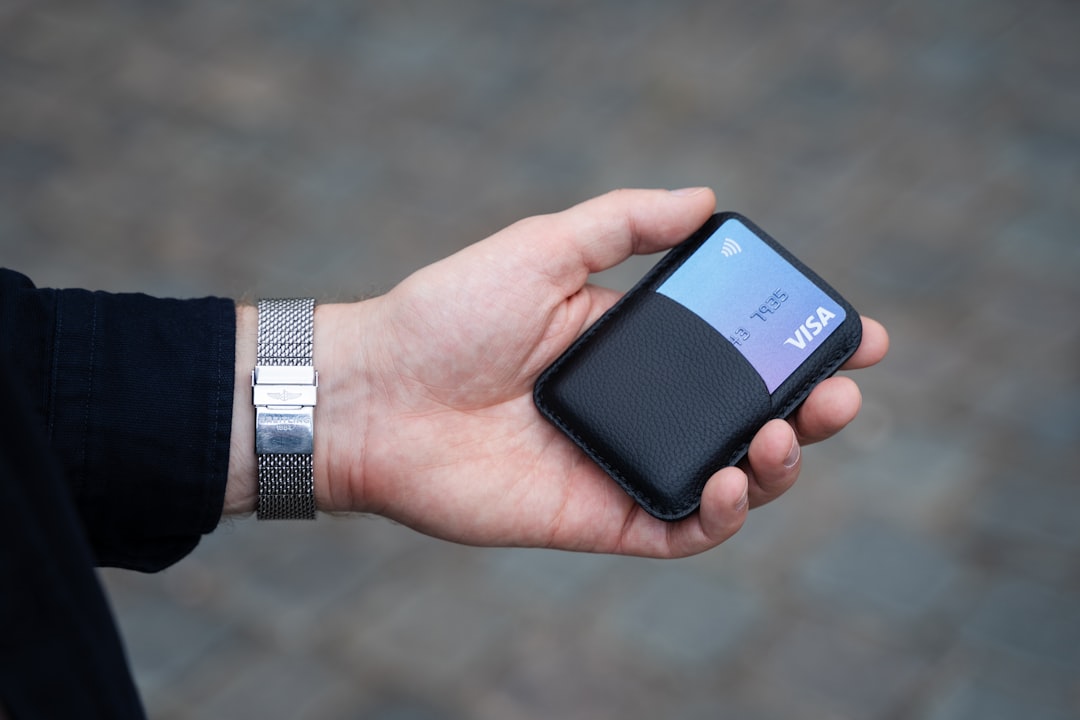
Revolut Unveils First Physical Crypto Card
In a bold step toward making crypto a daily spending option, revolut unveils first physical crypto card. The London fintech said the card will let customers pay with crypto at any retailer that accepts Visa or Mastercard, not just crypto exchanges. The initial rollout targets the United Kingdom and the European Economic Area, with plans to expand to additional regions later this year.
The move comes as card-based crypto usage continues to grow across the financial ecosystem. Revolut’s new offering aligns with a wider industry push to turn digital assets into everyday payment methods, rather than leaving crypto confined to trading apps and wallets.
What the Card Lets Users Do
- Spend crypto directly at millions of merchants that accept Visa or Mastercard, with conversion handled at checkout.
- Pay using a linked Revolut account that blends crypto holdings with fiat balances for seamless purchases.
- Access enhanced security features, including PIN protection, contactless support, and optional card locking from the mobile app.
- Manage currencies in one place, with the card supporting a broad set of digital and fiat assets within Revolut’s platform.
The company emphasizes that crypto-to-fiat conversions will occur at the point of sale using its existing exchange engine, aiming to deliver fast settlement while keeping users informed about rate movements in real time. Executives describe the card as a practical bridge between digital assets and everyday shopping, not a speculative bet on crypto markets.
Rollout Plan and Regional Focus
Revolut has positioned the UK and the European Economic Area as the starting point for this pilot. The backend infrastructure is designed to scale to other regions in the months ahead, with the company signaling a broader global rollout over the course of 2026. The phased approach mirrors how crypto-friendly financial products have historically entered new markets—carefully, with regulatory alignment and user education front and center.
Analysts expect the pilot to inform future twists on the product, such as expanded asset support and deeper integration with Revolut’s existing card programs. For customers, the launch means more options to use crypto for everyday purchases, from coffee runs to online shopping, without first converting to fiat currency via a separate exchange.
Market Context and Reactions
Industry observers view this as a meaningful milestone in the broader shift toward crypto-friendly cards. The market has seen a growing number of fintechs attempting to monetize crypto ownership through everyday spending, not just speculative trades. In this environment, revolut unveils first physical step could pressure peers to accelerate similar launches.
“This is a clear sign that mainstream consumers want frictionless ways to use crypto in real life,” said Maya Chen, fintech analyst at Global Market Insights. “The UK-EEA focus makes sense given strong regulatory clarity and a tech-savvy base that already uses Revolut for daily payments.”
From Revolut’s side, CEO Nikolay Storonsky framed the move as part of the company’s larger mission to simplify complex financial tools for millions of users. “Our customers already trust us to handle currencies, exchanges, and card payments,” Storonsky said in a statement. “This card turns crypto into practical spending money, instantly at the point of sale.”
Industry veteran and payments researcher Omar Patel cautioned that regulatory and security considerations will shape adoption. “The success of a physical crypto card hinges on how well merchants and regulators align on consumer protections and transparency about fees,” Patel noted. “If done well, this could be a turning point for everyday crypto use.”
Security, Fees, and Consumer Protections
Security is a central focus for the new card. Revolut has promised robust protection mechanisms, including real-time transaction alerts, the ability to suspend or lock the card via the mobile app, and compliance controls that align with existing anti-fraud measures on the Revolut platform. The company also emphasizes clear disclosures about how crypto conversions are priced at checkout and how exchange rate movements affect final totals.

On fees, Revolut has indicated that the standard approach to card payments and currency exchange will apply, with potential differences for crypto-related conversions. Customers will want to review any crypto-to-fiat conversion costs, cross-border fees, and merchant surcharges as the rollout expands. The company’s focus remains on keeping costs predictable while offering the convenience of spending crypto in real time.
Industry Context: A Broader Trend
The crypto card space has heated up as more consumers seek to use digital assets in everyday life. Several rivals have experimented with similar offerings, including linked debit solutions that convert crypto at the point of sale. The latest development from Revolut underscores how major fintechs view crypto as a core capability rather than a niche feature. As card-based crypto adoption grows, more merchants are likely to accept crypto-enabled payments, further integrating digital assets into mainstream wallets.
What Investors and Users Should Watch
- Adoption speed in the UK and EU markets, including merchant acceptance growth and consumer uptake.
- Regulatory developments in the US, Asia, and other regions that affect crypto card programs and consumer protections.
- The mix of assets supported for spending and how quickly Revolut expands beyond the initial crypto set.
- Impact on Revolut’s core business metrics, such as transaction volumes, cross-border usage, and the overall growth of crypto-enabled services.
Key Data Points to Watch
- Launch region: United Kingdom and European Economic Area, with a 2026 expansion plan for other regions.
- Network compatibility: Visa and Mastercard acceptance for merchants globally.
- Asset support: Crypto-to-fiat spending at point of sale via Revolut’s platform.
- User experience: In-app controls for card management, security, and currency preferences.
- Market sentiment: Crypto payment cards are increasingly seen as a real-world bridge between digital assets and everyday commerce.
Closing Thoughts
The rollout of revolut unveils first physical marks a notable milestone in the crypto card category. If the UK-EEA pilot proves simple for consumers and reliable for merchants, the pathway to broader adoption could accelerate. As regulators catch up and merchants weigh the costs and benefits of accepting crypto-based payments, the next wave of card-based crypto products may become a standard feature, not an exception.
For now, the focus remains on delivering a seamless, secure experience that makes crypto spending feel as natural as using any traditional card. The question is not whether people want to spend crypto, but whether convenient, well-protected options like this can turn intention into everyday practice.

Discussion