
Breaking News: Supreme Court Ends Trump Tariffs, Refunds Ahead
The Supreme Court delivered a decisive 6-3 ruling on February 20, 2026, striking down the tariff scheme tied to the International Emergency Economic Powers Act. The decision wipes out the Trump-era program and opens the door to refunds that could total hundreds of billions of dollars. In practical terms, Uncle Sam may have to send money back to importers and other claimants in the coming months, a move with wide-ranging macro and crypto implications.
Markets reacted within minutes: stocks ticked higher, the U.S. dollar softened, and Treasury yields moved upward as traders priced in a potential liquidity wave of unprecedented scale. The immediate move underscored how a policy reversal of this magnitude can ripple through risk assets, credit markets, and even Bitcoin markets where liquidity and trader sentiment matter as much as price.
Analysts caution that the refunds are not a done deal and the path forward remains legally intricate. The court declined to specify how refunds should be calculated or distributed, leaving those decisions to the Court of International Trade. More than 1,000 lawsuits have already been filed seeking refunds, and many importers have two years to pursue recovery under U.S. trade law.
What the Refunds Could Mean for Liquidity
Estimating the scale of refunds is tricky, but several models put the potential payoff in the high hundreds of billions. One widely cited projection places refunds near the $175 billion mark by the ruling date, with earlier estimates showing roughly $133.5 billion already collected through late 2025 and total receipts approaching $179 billion by the moment the decision landed. For banks and markets, that represents a large, rapid transfer of Treasury funds into private sector balance sheets over weeks to months.
Treasury data and court filings show the mechanics behind the liquidity effect. When refunds flow, the Federal Reserve’s accounting system adjusts the Treasury balance, potentially increasing bank reserves and system-wide liquidity. The Treasury General Account (TGA) has hovered near the $900 billion mark in recent weeks, with bank reserves totaling several trillion dollars. How quickly refunds move through the plumbing will determine whether this becomes a clean, measurable liquidity event or a slower, drawn-out process that spreads over months.
As policymakers and market watchers map the path, Treasury Secretary and senior officials have signaled a careful approach. If refunds are disbursed over weeks to months—or even longer—the timing could influence everything from short-term funding markets to consumer credit and crypto liquidity cycles.
Bitcoin and Crypto Markets: A Practical Watch
Crypto traders are keenly watching the windfall scenario. A broad liquidity shock tends to lift risk-on assets, but it also invites sudden shifts as investors rebalance portfolios and seek yield in a low-rate environment. In the days after the ruling, Bitcoin and other major tokens traded with renewed sensitivity to macro headlines and liquidity news.
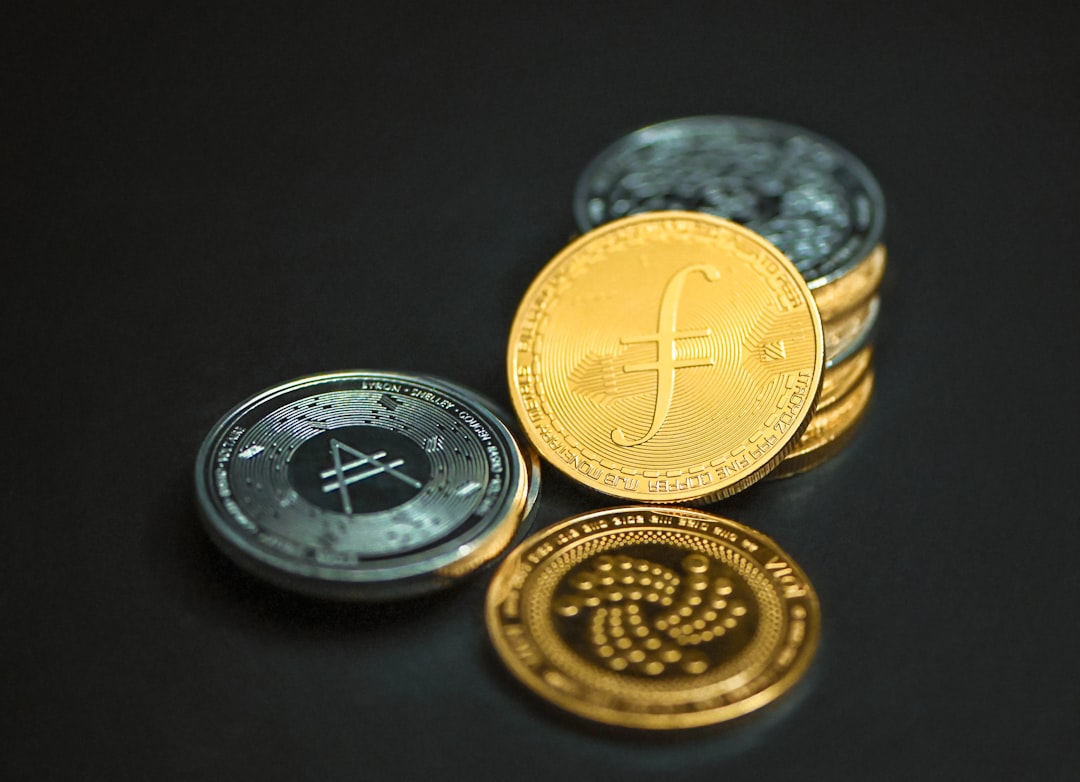
Industry participants emphasize two realities. First, any refund-driven liquidity is likely to be uneven in its arrival, with a subset of claimants receiving funds earlier based on eligibility and processing speed. Second, the magnitude of the potential inflow could dampen volatility in some corner of the crypto space while fueling it in others, depending on how traders reposition wealth in response to the refund timeline.
“This is a liquidity shock with a broad reach,” said a senior strategist at a global asset manager who asked not to be named. “Bitcoin and other digital assets will feel the ripple effect as banks adjust balance sheets and hedge funds rebalance risk exposures.”
Key Data Points to Watch
- Refund potential: Up to roughly $175 billion could flow back to importers and claimants, according to model estimates linked to the ruling.
- Legal timeline: Refund mechanisms are not yet defined; the Court of International Trade will handle distribution rules, with ongoing lawsuits already in motion.
- Treasury posture: The Treasury General Account sits around $900 billion, with forecasts of substantial cash availability in the near term.
- Market impacts: Initial trading sessions showed risk-on tilt in equities, a softer dollar, and evolving dynamics in crypto markets as liquidity expectations took hold.
- Timeline risk: The speed of refunds will shape whether the liquidity impact is measurable in financial conditions within weeks or stretches into months.
What Comes Next for Policy, Markets, and Crypto
The Supreme Court decision changes a long-standing policy lever and introduces a short- and mid-term liquidity dynamic that markets are still learning to price. Key events to watch include:

- How refunds are calculated and issued across different import categories and claimant groups.
- The pace of disbursement and its alignment with the U.S. banking system’s settlement cycles.
- Crypto market liquidity and volatility, particularly around platform funding, exchange flows, and spot-to-derivative activity.
- Fed policy communications and potential shifts in market expectations as liquidity impacts emerge.
Bottom Line: A New Liquidity Regime for 2026
As the dust settles from a landmark ruling, traders in Bitcoin and broader crypto markets will test how a sizeable, unexpected refund wave interacts with existing liquidity conditions. The phrase “supreme court nukes trump” has entered market chatter as a shorthand for the policy reversal and its cascading effects on cash, credit, and crypto. If refunds arrive on a predictable timetable, we could see a sustained, albeit volatile, liquidity backdrop that supports risk assets, including Bitcoin, in the weeks ahead.

Context for Investors
For traders and portfolio managers, the key takeaway is adjustment risk. A clear, timely refunds timetable reduces uncertainty and helps prices converge toward a new normal. But prolonged processing delays could keep volatility elevated as market participants reassess leverage, funding costs, and cross-asset correlations. In a market where liquidity is the ultimate fuel, the Supreme Court’s decision to end the tariff program has set in motion a complex, high-stakes liquidity event that crypto traders will be monitoring closely.
As this story evolves, the crypto community will be watching how the refunds materialize and how central banks and commercial banks absorb the flow. The coming weeks will reveal whether Bitcoin and other digital assets find steadier footing or remain at the mercy of policy-driven liquidity shifts.

Discussion