
Overview
A major milestone in the ongoing dialogue around stablecoins landed this week as Deloitte publicly attached its name to Anchorage Digital Bank’s USAT Reserve Report. The accounting attestation, released after a February 27, 2026 filing, targets USAT — a U.S. dollar token issued by Anchorage Digital Bank, National Association, in partnership with Tether — and stems from the OCC-regulated structure of Anchorage’s national trust bank. The milestone is notable for visibility and credibility, but it does not address the market’s largest question: the status of USDT, the dominant dollar-pegged token used across exchanges and trading pairs around the globe.
In plain terms, the Deloitte-linked development provides a respected accounting sign-off for a regulated US dollar token, while the flagship stablecoin, USDT, remains outside the scope of this engagement. That distinction matters for investors who separate a regulated, bank-backed token from a sprawling, market-driven stablecoin with a much larger footprint.
What the Deloitte Report Covers—and What It Does Not
- Scope of engagement: Deloitte issued an Independent Accountant’s Report on Anchorage Digital Bank’s USAT Reserve Report. The document attests to reserve levels backing USAT as described by the issuer, but it is not a full corporate audit of Anchorage or Tether.
- Regulatory framing: USAT is issued through an OCC-regulated, federally chartered bank framework, giving it a distinct political and regulatory posture from many privately issued stablecoins.
- Character of the asset: The report focuses on reserving for USAT and whether the stated reserves align with the token’s claims, rather than providing a blanket verdict on all tokens issued in the Tether ecosystem.
- Limitations: The engagement explicitly notes it does not determine whether USAT is fully backed at all times beyond what is described in the reserve report.
Crucially, the document does not cover USDT, which dwarfs USAT in scale and market activity. USDT remains the backbone for much of crypto trading infrastructure, in part because it is widely used in offshore venues and on many centralized and decentralized exchanges. The absence of USDT from the Deloitte attestation keeps a core question unsettled: is the backing for USDT verifiable to the same standard as a regulated, OCC-backed token?
Why This Matters for USDT and the Crypto Market
From a market perspective, the latest Deloitte footnote offers a calibrated signal: a Big Four accounting name has joined a regulated US token’s reserve narrative. For holders and institutional traders seeking transparency in the US dollar-backed segment, the USAT pathway may provide a model for how reserve attestations can be structured within a regulated banking framework. Still, the impact on USDT, which remains the most widely used dollar-pegged token, is more nuanced.
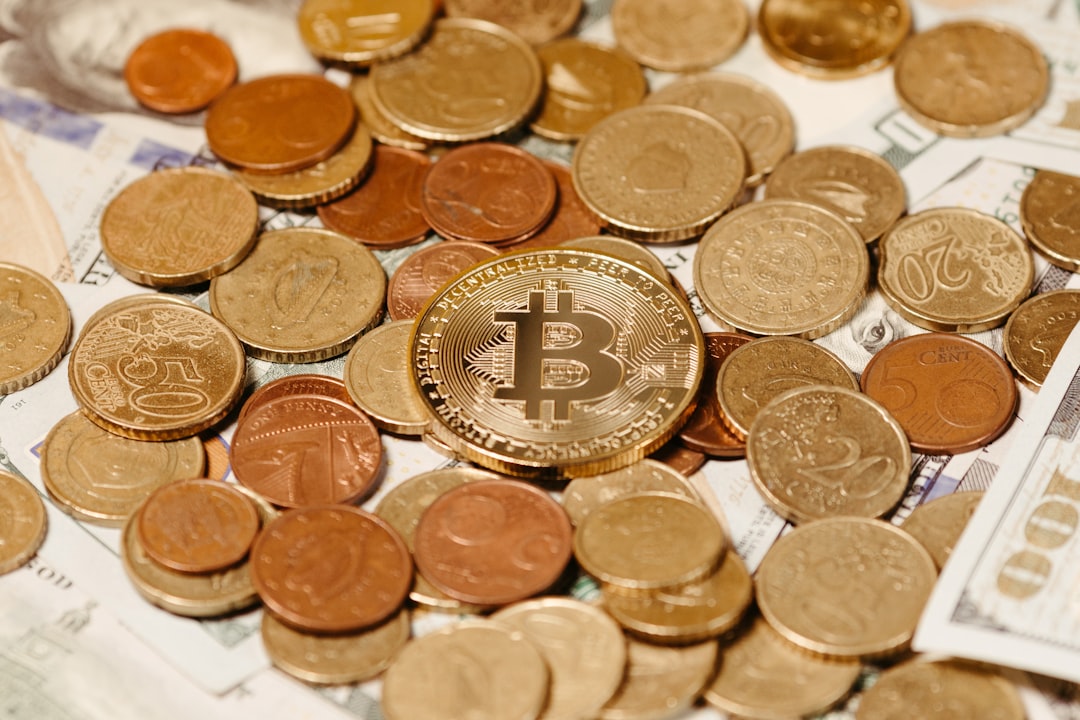
As of early March 2026, USDT’s global footprint remains substantial, with the market cap near the $189 billion mark in circulating supply, according to on-chain data trackers. That scale amplifies the importance of any audit or verification program that could, in theory, be extended to USDT or similar large stablecoins. In practice, however, USDT’s governance, reserve composition, and audit history remain a battleground for regulators and market participants alike.
Critically, this development reframes the narrative around the phrase tether finally lands four. In crypto circles, the milestone is seen as a credible, regulated step forward for a token that sits under a different supervisory umbrella than USDT. Yet observers stress that the broader perennial question—are all US dollar-backed tokens truly backed, and by what mix of cash, cash equivalents, and other assets—still applies to USDT and other contenders beyond USAT?
Market Reactions and Expert Takes
Industry voices are weighing the implications with a mix of caution and optimism. For some investors, the Deloitte sign-off on USAT’s reserve framework signals a path toward more formalized, bank-backed stablecoins that could reduce counterparty risk in the sector. Others point out that a single attestation, even from a Big Four firm, does not erase broader questions about reserve transparency for the largest players in the space.
"This is a credible, regulatory-friendly milestone for a smaller, bank-backed token like USAT, and it helps anchor trust in the token’s underlying reserves," said Dr. Lina Chen, a crypto compliance researcher at Global Policy Labs. "But the real question whether a market-scale token like USDT can or will undergo an equivalent, independent audit remains open. That distinction matters for users who rely on transparency as a price discovery and risk-management tool."
Another voice, Greg Porter, a market strategist at Crescent Crypto Research, noted, "The market is likely to treat this as a partial win: a Big Four sign-off on a regulated token’s reserves is not a verdict on the broader USDT ecosystem. Traders may shift some flows toward regulated rails consistent with the USAT model, yet USDT still dominates liquidity and remains the more controversial asset in terms of reserve verification."
The Road Ahead: What Comes Next for Stablecoins and Audits
While the Deloitte report elevates the profile of USAT as a regulated token with formal reserve attestation, it also sharpens the contrast with USDT’s ongoing scrutiny. Market participants now face a clearer fault line: regulated, bank-issued US-dollar tokens versus the broader, less transparent stablecoin landscape that USDT represents. Regulators will likely monitor developments on both sides to determine if standardized, third-party attestations become a norm rather than an exception.

Here are several potential next steps that stakeholders could watch for in the coming months:
- Expanded attestations: Market participants may push for similar attestations on USDT or other top stablecoins, potentially under different regulatory umbrellas (banking, money services, or securities rules).
- Reserve-composition disclosures: Regulators could require more granular disclosures of reserve assets, including liquidity profiles and asset-quality ladders.
- Cross-border clarity: As stablecoins scale globally, cross-border oversight of reserve management may become more prominent, influencing where and how such attestations occur.
- Retail and institutional demand: The market may segment into regulated rails for institutions and more open rails for retail users, potentially widening the set of compliant offerings.
For now, the phrase tether finally lands four lives on as a meaningful milestone for a regulated token while leaving the broader, still unsettled question about USDT to regulators, auditors, and market participants. The dichotomy underscores how the crypto world is moving toward more formalized risk controls, even as the most widely used stablecoins keep their reserve stories in flux.
Key Data Points You Need to Know
February 27, 2026 Anchorage Digital Bank’s USAT Reserve Report USAT, a regulated, OCC-backed US dollar token USDT, the larger stablecoin outside this engagement USDT market cap near $189 billion as of early 2026
Timeline of Events
Late February 2026: Deloitte issues an Independent Accountant’s Report on Anchorage Digital Bank’s USAT Reserve Report, signaling a formal attestation tied to a regulated US dollar token. Early March 2026: Market participants analyze the scope and limits of the engagement, noting that USDT remains outside the report’s purview. Ongoing discussions among regulators, auditors, and crypto firms continue as investors weigh the implications for stablecoins at large.
Bottom Line
tether finally lands four in the sense that a Big Four firm has publicly linked its name to a regulated, bank-backed US dollar token. Yet the largest question in stablecoins persists: can a token with USDT’s size and reach ever meet the same level of third-party verification? The Deloitte sign-off on USAT offers a credible, regulated signal, but until a parallel, independent audit of USDT or a broader, standardized standard for all major stablecoins emerges, the market will keep parsing the differences between what is certified and what remains uncertain.

Discussion