
Thiel-Backed ETHZilla Exits Its ETH Treasury
A Securities and Exchange Commission filing shows Peter Thiel's Founders Fund has fully exited ETHZilla, selling a total of $74.5 million worth of ether (ETH) and ending all holdings in the Palm Beach-based crypto manager. The move caps a high-profile chapter for a firm that pivoted from biotech into digital assets and raised eyebrows across both tech and financial circles.
ETHZilla’s former leadership had signaled a broad retooling of the company’s business model, and the latest liquidations appear to be part of a broader strategy to stabilize balance sheets amid volatile markets. The SEC filing confirms that Thiel's entities no longer own any ETHZilla shares, a rare departure for a firm that once pressed into the crypto treasury as a core asset strategy.
How The Exit Played Out: Austerity in the Ether Treasury
The sale of ETH followed a sequence of liquidity actions tied to debt management and equity repurchases. ETHZilla earlier liquidated roughly $40 million in ether to repurchase shares, a move designed to bolster shareholder value during a rough market phase. In the weeks that followed, the company completed a second major sale, unloading $74.5 million in ETH to repay senior secured convertible notes. The concurrent timing with a broader market downturn amplified the impact on ETHZilla’s treasury and liquidity outlook.
At its peak, ETHZilla is believed to have held more than 100,000 ETH, according to data aggregators cited by market observers. Ether has traded at around $2,000 per token in recent sessions, placing pressure on the treasury as prices hovered near multi-month lows. The selloffs illustrate how crypto-focused companies can become exposed to rapid price swings when their balance sheets lean toward digital assets rather than cash reserves.
The Pivot: From Biotech to Crypto Management
ETHZilla began life as 180 Life Sciences Corp., a Palm Beach-based biotech entity. In August, the firm pivoted away from its original business model and rebranded to emphasize cryptocurrency management. The strategic shift signaled a broader appetite for crypto exposure among a subset of publicly traded firms, even as market conditions deteriorated and digital assets remained volatile.
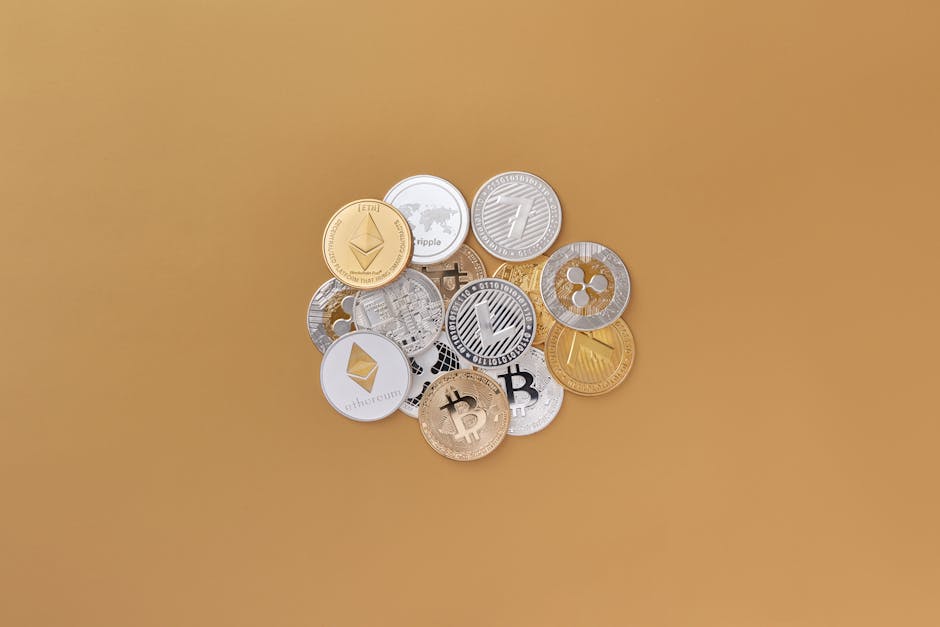
As part of its new direction, ETHZilla broadened its mandate to hold ether as a principal treasury asset. The company has also explored real-world asset tokenization through a subsidiary venture, ETHZilla Aerospace, which aims to offer tokenized equity linked to leased jet engines. The pivot from biotech to asset-backed crypto offerings underscores the appetite for diversified risk management in a sector facing regulatory scrutiny and price swings.
Market Context: Pressure, Debt, and Public Scrutiny
The timing of ETHZilla’s pivot and subsequent liquidations aligns with a wider crypto-market downturn that has impacted many ether troves across the sector. Ether’s pullback, while not unique to ETHZilla, echoes the broader investor mood as risk appetite shifts and capital costs rise. Market watchers note that even well-capitalized crypto-adjacent firms can feel the heat when leverage compounds during price declines.
Industry observers say the exit by a high-profile investor circle, including Thiel’s Founders Fund, adds to the discourse around crypto treasuries on public books. While some see caution as prudent risk management, others worry about the long-term viability of heavy ETH holdings as market dynamics evolve and risk appetite ebbs and flows.
What This Means for Investors and the Crypto Scene
The ETHZilla episode offers a snapshot of how crypto-focused businesses balance speculative assets with debt obligations and regulated oversight. The firm’s decision to liquidate a substantial ether stake to cover convertible notes and support a balance-sheet reformation signals both risk discipline and the limits of asset-heavy financing during a downturn.

For Thiel-backed entities and other public crypto players, the case reinforces a key takeaway: even a deep-pocketed backer cannot shield a corporate treasury from the double whammy of rising borrowing costs and volatile asset prices. The absence of public comment from ETHZilla regarding the exit fuels ongoing speculation about strategic direction and the long-term viability of crypto-treasury models in a market that remains sensitive to macro headlines and regulatory developments.
Public Reaction: Analysts Weigh In
Analysts emphasize that the ETHZilla episode will be watched for implications beyond a single company. If a major crypto treasury can be wound down in a single cycle, investors may reassess exposure levels and risk controls at other publicly traded crypto-adjacent firms. A senior analyst at MarketPulse Crypto Research noted, “Liquidity management is becoming a central theme for issuers with major digital-asset holdings, especially as price regimes shift.”
Meanwhile, venture-capital observers caution that the market’s current mood—one of heightened scrutiny and moderation—could influence future strategies at funds that blend venture investment with crypto exposure. The trade press also notes that the ETHZilla arc, from biotech pivot to real-world asset ventures, may spark a broader conversation about how public companies structure treasury policies in volatile markets.
Asset-Backed Ventures: The Real-World Beat
ETHZilla’s foray into asset-backed offerings with ETHZilla Aerospace reflects a broader trend in the crypto space: tethering digital positions to tangible assets to reduce overall risk. Tokenized asset structures have attracted interest as a way to bring liquidity to illiquid assets, from engine leases to real estate stakes. Investors watching the aviation-linked venture will look for independent audits, third-party valuations, and regulatory clarity as key factors in determining whether such offerings can scale in a market that prizes transparency.

Regulatory and Investor Safeguards: How to Protect Your Capital
The ETHZilla case underscores a broader imperative for investors and market participants: how to navigate a rapidly evolving regulatory landscape while guarding against missteps in crypto markets. For a sector that can swing on headlines, the following practice map can help readers stay safer in 2026.
- Verify filings and disclosures: When a crypto-focused company discloses sales, debt repayments, or treasury restructurings, cross-check the details with official SEC or regulatory filings to confirm a company’s stated strategy.
- Assess treasury diversification: Look for treasury policies that balance liquid fiat reserves with a prudent allocation to digital assets, rather than a heavy concentration that exposes the company to price swings.
- Audit and transparency: Seek independent audits of asset-backed ventures and tokenized offerings to understand collateral, valuation methods, and risk controls.
- Regulatory alignment: Monitor how companies align with evolving cryptocurrency rules, including market integrity protections and disclosures around conflicts of interest.
- investor awareness: Always evaluate communications from a company’s leadership for consistency with regulatory filings and public disclosures.
For readers looking to protect themselves from crypto scams and questionable schemes, experts point to practical guidelines on how to avoid cryptocurrency scams 2026. This guidance emphasizes skepticism toward opaque token structures, high-yield promises without verifiable collateral, and unreliably audited projects. As part of ongoing education, readers should review how to avoid cryptocurrency scams 2026 to stay ahead of red flags and maintain a disciplined investment approach.
Two Practical Takeaways for 2026
First, the ETHZilla exit illustrates that even high-profile backers can step away from crypto treasuries when market conditions deteriorate. The pressure on ether prices, combined with debt obligations, can force rapid cash moves that affect a company’s trajectory and public perception. Investors should monitor not just asset prices, but also balance-sheet discipline, liquidity strategies, and regulatory risk in real time.
Second, the move reinforces the importance of robust risk management strategies for those exploring crypto exposure. As the market matures, institutions and individuals alike should prioritize governance, transparency, and diversification to weather price volatility. For anyone weighing crypto investments in 2026, aligning with best practices on how to avoid cryptocurrency scams 2026 remains a critical step for staying safe in a fast-changing landscape.

Discussion