
Hook: The $4,000 Dilemma You Can’t Ignore
Investors often dream of a single move that turns a small stake into a big payoff. When you’ve got $4,000 to deploy in crypto, the question isn’t just “which coin is cheaper?” It’s about which asset aligns with your goals, risk tolerance, and time horizon. Today we compare Dogecoin (DOGE) and Solana (SOL)—two popular names that attract different crowds for different reasons. The headline figure from the last year is sobering: DOGE is down roughly 61% and SOL about 52% over the past 12 months. For many, that’s a reminder that crypto-waves don’t move in straight lines. The bigger question remains: with $4,000? which better cryptocurrency fits your plan—and how should you actually deploy it in real life?
Snapshot: What Each Coin Is Really About
To judge which is better for a $4,000 investment, you need a clear picture of what each token brings to a portfolio beyond market chatter.
What Is Dogecoin?
Dogecoin started as a joke in 2013 but grew into a recognizable symbol of crypto culture. It operates on a proof-of-work framework with an unlimited supply, which helps keep inflation expectations in check for some believers and keeps the price sensitive to speculative sentiment. In practice, DOGE often serves as a vehicle for tipping and social-media-driven trading. Liquidity tends to be strong on major exchanges, but the network’s development activity and genuine utility have been more limited relative to other layer-1 platforms.
What Is Solana?
Solana is a high-performance blockchain designed for fast, low-cost transactions and scalable smart contracts. It’s widely used for decentralized finance (DeFi), non-fungible tokens (NFTs), and Web3 apps, with a growing ecosystem of developers building on SOL. The trade-off historically has been network reliability challenges (occasional outages) and competitive competition from other layer-1 chains. When Solana runs smoothly, fees are minimal and throughput can be impressive, which appeals to users and developers chasing high-speed experiences.
How They Performed Recently—and What That Means
When you’re allocating $4,000, the last year’s performance matters less than the longer-term trajectory and the catalysts that could shift momentum. Here’s what investors typically consider:
DOGE - approximately 61% over the last 12 months; SOL - around 52% in the same period. This is not unusual in crypto, but it sets risk expectations for new money entering the market. SOL’s ecosystem growth around DeFi and NFTs suggests potential upside if the network can maintain reliability and scale.
Which Is Better for a $4,000 Investment? A Framework
The core question—"$4,000? which better cryptocurrency"—depends on what you want from the investment. Here are four practical angles to consider when you’re sitting on $4,000 and weighing DOGE vs SOL.
1) Growth Potential and Tech Exposure
If your goal is exposure to a high-growth tech narrative and you’re comfortable with higher risk, SOL’s ecosystem and throughput advantages may offer a more compelling thesis than DOGE’s meme-driven momentum. The argument is not that DOGE can’t surprise, but institutional-grade use cases tend to cluster around platforms with robust developer activity and scalable infrastructure.
2) Liquidity and Real-World Usage You Can See
DOGE offers easy entry and exit on most major platforms, with strong liquidity in mainstream markets. SOL’s liquidity is robust too but tied to the health of its ecosystem. If you value straightforward trading and the ability to move quickly in and out, both assets offer decent on-ramps—yet SOL’s utility (smart contracts, DeFi) can translate into more persistent demand if the ecosystem keeps expanding.
3) Risk Tolerance and Portfolio Fit
Both assets carry high risk, but their risk profiles differ. DOGE’s risk is closely tied to social sentiment and meme cycles; SOL faces the usual crypto risk but offers a more tangible technology story. If you already hold stocks or traditional tech exposure, SOL can diversify that tech narrative, while DOGE adds a dash of momentum-driven risk and potential social catalysts.
4) Time Horizon and Tax Considerations
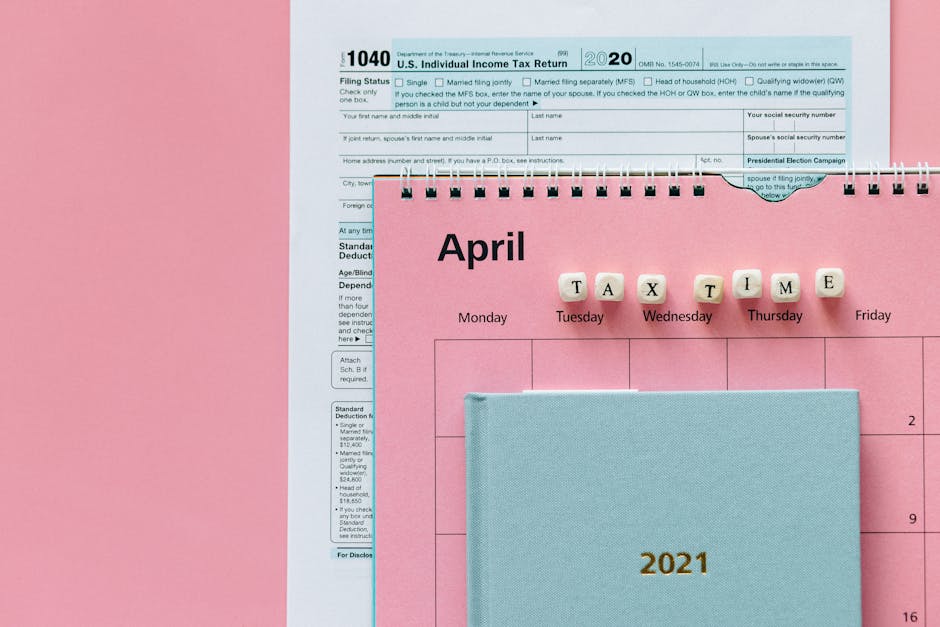
Tax events matter in crypto. Short-term gains (held under a year) are taxed as ordinary income, while longer-term gains (over a year) receive more favorable long-term capital gains treatment in many cases. If you’re thinking in terms of a couple of years, SOL’s potential for app-building might play out more predictably than DOGE’s price action. If you’re trading actively, be mindful of wash-sale rules and record-keeping for each transaction.
Practical Allocation Ideas for $4,000
Let’s translate the framework into concrete numbers. The goal is to align your choice with your risk tolerance, and you can adjust the split based on how aggressive you want to be. Below are three practical allocation templates for a $4,000 investment.
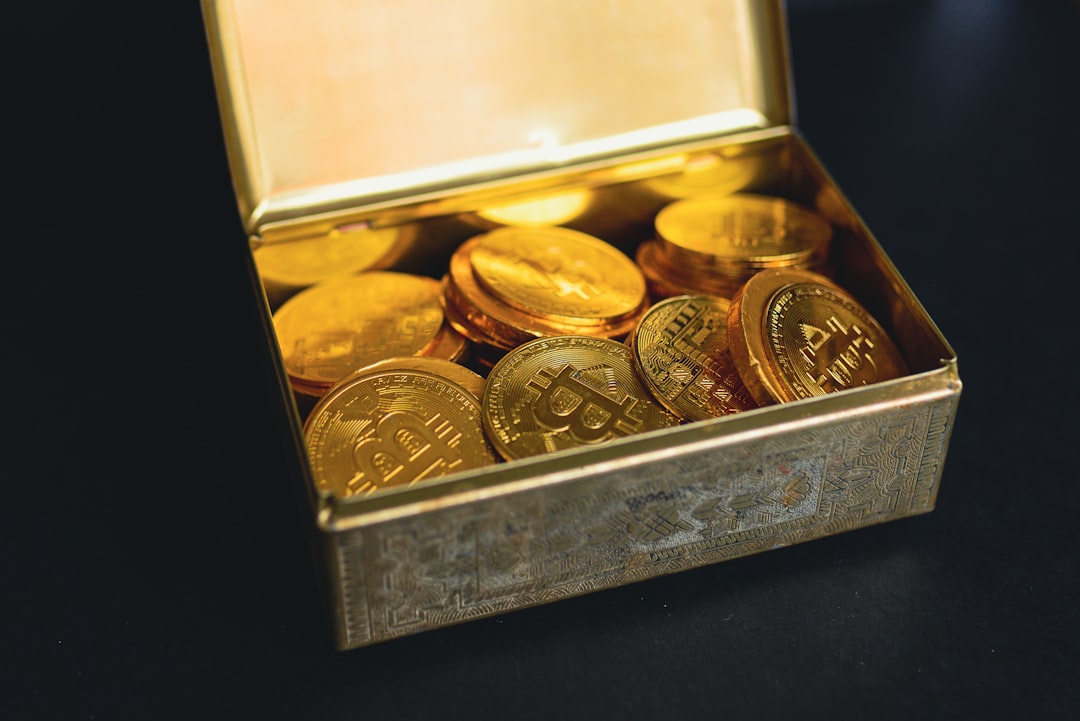
SOL: $1,600; DOGE: $1,600; Reserve: $800. This keeps core exposure to SOL’s ecosystem while preserving liquidity and risk control with a cash or stable-coin sleeve. SOL: $2,400; DOGE: $800; Reserve: $800. This tilt emphasizes SOL’s tech story while pruning meme-driven risk and ensuring a quick exit option if volatility spikes. SOL: $2,000; DOGE: $1,200; Reserve: $800. This plan balances the opportunities in both assets while maintaining a cash cushion for volatility or new opportunities.
What to Do If You’re New to Crypto
If you’re stepping into crypto with $4,000, keep these practical steps in mind to set yourself up for success. Start with education, practice with small, consistent purchases, and avoid chasing headlines. Crypto markets respond to a mix of technology milestones, macro trends, and social sentiment—often in unpredictable ways.

- Use dollar-cost averaging (DCA): Invest $1,000–$2,000 upfront and spread the rest over the next 6–12 months to smooth out volatility.
- Choose reputable platforms: Look for security features such as 2FA, hardware wallet support, and insured custodians where available.
- Set rules for exit: Predefine a price target or a time-based trigger to avoid emotional selling during drawdowns.
Risk Factors You Can’t Ignore
Even with a structured plan, there are persistent risks you must weigh before allocating $4,000:
Crypto regulation is evolving. Favor projects with clear compliance practices and transparent communications. Exchange hacks or wallet breaches can erode value quickly. Use cold storage for long-term holdings when possible. Solana’s past outages show how technology hiccups can affect confidence, while Dogecoin’s lack of built-in utility can limit upside absent broader adoption. Crypto tends to swing with macro trends. Don’t rely on a single catalyst for a quick win.
Tax, Security, and Due Diligence
Crypto investments are taxable events. Keeping meticulous records helps you report gains accurately and optimize tax outcomes. Security should be baked into your plan from day one: use hardware wallets for storage, enable two-factor authentication, and consider multi-signature options for larger holdings. If you’re unsure, consult a tax professional or financial advisor who understands crypto-specific considerations.
Conclusion: A Clear Path With $4,000
Whether you lean toward Dogecoin or Solana depends on your goals, risk tolerance, and the role you want crypto to play in your portfolio. For many investors, the most practical approach with $4,000 is not to go all-in on a single name but to blend a core technology story (SOL) with a measured exposure to momentum (DOGE) while maintaining a cash or stable-coin sleeve for liquidity and risk management. If you’re asking "$4,000? which better cryptocurrency", the honest answer is: it depends on what you’re willing to endure and what you hope to achieve. With a thoughtful allocation plan, you can take advantage of both ecosystems while keeping your risk under reasonable control. In the end, discipline, not hype, is what turns a $4,000 bet into a durable, building block for your financial future.
FAQ
Q1: If I have $4,000, should I buy DOGE or SOL first?
A1: There isn’t a one-size-fits-all answer. If you want a tech-forward play with a broader use-case, SOL is usually the stronger strategic bet. If you want liquidity and a shorter-term, sentiment-driven opportunity, DOGE can be appealing in smaller allocations. A balanced approach—sol 50%, doge 30%, cash 20%—is a practical starting point for many readers.
Q2: How should I allocate $4,000 if I’m new to crypto?
A2: Consider dollar-cost averaging into SOL and DOGE while keeping a cash reserve. For example, buy SOL with $1,600, DOGE with $1,200, and keep $1,200 in a stable asset or cash to deploy later or to act as a risk buffer during drawdowns.
Q3: What are the biggest risks to expect with DOGE and SOL?
A3: DOGE faces sentiment-driven risk with limited real-world utility beyond tipping and memes. SOL faces execution risk, network outages, and competition from other fast blockchains. Both are highly volatile and should be treated as high-risk components of a diversified portfolio.
Q4: How often should I rebalance a $4,000 crypto allocation?
A4: Quarterly is a common default. If a major price move shifts your target allocations by more than 5–10 percentage points, rebalance sooner to preserve your risk profile.
Discussion