
5 Things Every Investor Needs To Know About UPS Today
When you place a bet on UPS, you’re betting on more than a delivery company. You’re betting on the future of how people shop, how supply chains move, and how businesses reach customers across the globe. If you’ve asked what things every investor needs to know about UPS, you’re about to get a clear, practical framework you can use in 2026. Below are the five realities that consistently shape UPS’s performance—and your potential return as a shareholder.
1. E-commerce growth is a primary engine for UPS volume and revenue
Across the world, consumer shopping continues to move online, and that trend directly fuels parcel volumes. UPS benefits from a large, integrated network that can handle spikes during seasonal peaks and promotions. For investors, the key takeaway is less about a single quarter and more about a multi-year trajectory: higher e-commerce penetration tends to lift package volumes, improve throughput, and support better utilization of the company’s delivery network.
Here are practical angles to watch:
- Parcel volume growth in domestic markets tends to correlate with consumer spending and online sales growth. If you see e-commerce growth sustained above GDP, UPS’s core business can gain operating leverage.
- International expansion matters too. A larger global footprint helps offset slower growth in any one region and captures cross-border demand for both consumer and business customers.
- Mix shift toward higher-margin services within the parcel ecosystem can improve overall profitability even when volumes grow at a moderate pace.
2. Cost structure and fuel dynamics affect profits, but aren’t the whole story
Fuel and energy costs are a recurring consideration for any logistics firm. UPS does carry exposure here, but the impact depends on fuel prices, efficiency measures, and pricing power. A useful rule of thumb: fuel costs tend to be a modest share of total operating expenses, but they can swing with oil markets and weather-driven demand patterns.
What to monitor beyond fuel prices:
- Network optimization and route density. Better routing reduces idle miles and lowers fuel burn per package airmile or ground mile traveled.
- Fleet modernization and alternative energy investments. Electric or alternative-fuel vehicles, if scaled, can shift cost structures over the long run.
- Pricing strategies that reflect cost changes. UPS can adjust carrier rates, surcharges, and service levels to manage margin during energy spikes.
3. A broad, integrated service portfolio supports resilience and margin potential
UPS isn’t just a package courier. Its business spans Express, Ground, Freight, and a growing logistics solutions arm. Each unit has its own economics, but together they create a map of resilience and optionality for investors.
Key dynamics to understand:
- Express tends to carry higher margins during strong demand, but it is capital-intensive and sensitive to global trade cycles.
- Ground and e-commerce-driven parcel services benefit from network density and scale, improving cost-to-serve as volumes grow.
- Logistics and freight services offer a higher mix of recurring revenue through long-term contracts and integrated solutions for businesses, which can help stabilize cash flow.
4. Labor, automation, and productivity shape the upside and downside risk
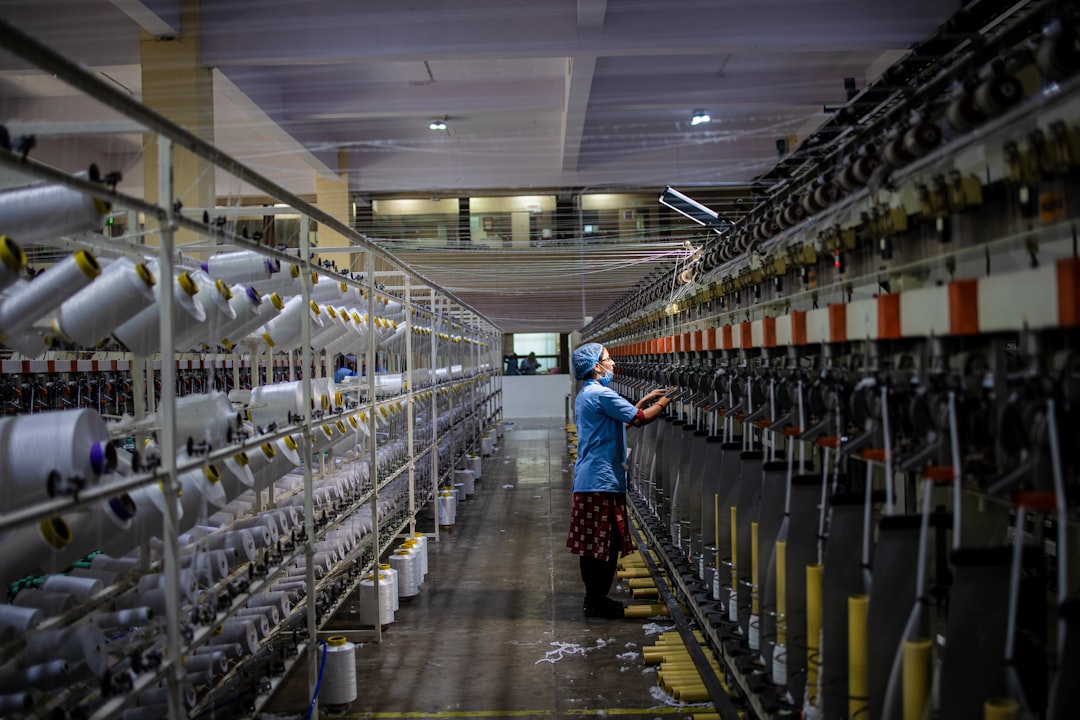
UPS employs a vast workforce, and labor costs are a material part of operating expenses. The business faces the same macro headwinds as other frontline employers: wage inflation, benefits, and the potential for work stoppages or contract disputes. At the same time, UPS is actively pursuing productivity gains through automation, smarter sorting hubs, and digital tools that reduce handling time and human error.
What this means for investors:
- Labor costs can swing with wage settlements and union dynamics. Transparent communication about contract timelines and cost containment helps gauge risk.
- Automation initiatives can temporarily raise capital expenditure, but they often translate into higher throughput, better accuracy, and lower per-unit costs over time.
- Productivity improvements do not happen in a vacuum. They depend on network design, software systems, training, and management execution—areas where UPS has historically invested.
5. Capital allocation and valuation: dividends, buybacks, and growth investments
Investors want to know that management is thoughtful about returning capital while funding growth. UPS typically balances dividends with buybacks and strategic investments in network capacity, technology, and sustainability. The key indicators to watch are the payout ratio, free cash flow generation, and the cadence of capital spending in relation to revenue growth.
Practical steps to assess UPS’s capital plan:
- Dividend policy: Is the dividend sustained with room to grow, or is it highly sensitive to quarterly results?
- Share repurchases: Do buybacks align with cash flow strength, and are they accretive to EPS over time?
- Capital expenditure: Are investments directed at high-return projects like hub expansions and smarter automation, or are they spread too thin across lower-impact areas?
- Free cash flow conversion: A healthy FCF margin (cash flow from operations minus capex) is a good signal that the company can weather downturns while funding growth and returns to shareholders.
Putting it all together: how to apply these five things, the “things every investor needs” mindset
These five considerations form a practical framework for evaluating UPS in 2026. Investors who focus on the bigger picture—e-commerce momentum, cost discipline, service mix, labor and automation, and capital allocation—are better positioned to separate temporary noise from durable drivers of value.
Here’s a simple checklist you can use in your next UPS research session:
- Is e-commerce growth in your target geography translating into healthier parcel volumes for UPS?
- Do fuel and operating costs appear well-managed despite macro volatility?
- Is the service mix shifting toward higher-margin, recurring revenue streams?
- Are automation and productivity initiatives delivering measurable throughput gains?
- Is the capital plan aligned with long-term growth and shareholder returns?
Conclusion: embrace the framework, ignore the noise
Upside in UPS is not guaranteed, but the company sits at a favorable crossroads: a vast network, exposure to secular e-commerce growth, and a disciplined approach to costs and capital. By focusing on the five things every investor needs to know—e-commerce demand, cost dynamics, service portfolio, labor and automation, and capital allocation—you can form a grounded view of UPS’s long-term potential. Remember, the goal isn’t to chase every daily blip. It’s to understand the structural forces that could drive earnings for years to come and to align your position with how UPS manages risk and creates value over time.
FAQ for UPS Investors
Q1: What are the main revenue drivers for UPS?
A1: The core revenue engines are parcel delivery, freight services, and integrated logistics solutions. Parcel volumes grow with e-commerce, while freight and logistics revenue benefit from global trade and long-term contracts with business customers.
Q2: How does UPS handle fuel costs and energy efficiency?
A2: Fuel costs are monitored closely as part of operating expenses. UPS invests in route optimization, fleet modernization, and efficiency programs to offset price volatility. A diversified mix of delivery modes helps cushion the impact of fuel swings.
Q3: What is UPS's dividend policy and capital allocation strategy?
A3: UPS typically combines a steady dividend with share repurchases and strategic capex. The goal is to deliver reliable income while funding network improvements, technology, and sustainability projects that support long-run growth.
Q4: What risks should investors watch in 2026?
A4: Key risks include fuel price volatility, labor negotiations and retention, macroeconomic cycles affecting consumer spending, and cross-border trade dynamics. A diversified service mix and disciplined investment plan can help mitigate some of these risks.
Discussion