Hooking into a Moment of Momentum: The Aehr Story in Plain Terms
When a niche manufacturer of semiconductor testing gear posts a bold, AI-driven outlook, traders sit up and take notice. Aehr Test Systems, a company that designs and sells equipment used to stress-test chips under extreme conditions, found itself at the center of market chatter as investors interpreted its latest forecast as a potential signal of longer-term demand for AI chips and advanced packaging. While this isn’t the first time a tech supplier has sparked a squeeze or a rally, the way Aehr framed its forward-looking guidance offers useful lessons for anyone evaluating a growth play in the semiconductor tooling space.
For readers new to the topic, Aehr Test Systems stock is not a household-name like mega-cap software or consumer brands. It’s a focused player in a high-stakes niche: reliability testing for cutting-edge semiconductor devices. The stock’s move today is a reminder that small-cap and micro-cap technology names can swing on big-picture narratives—especially narratives tied to AI, supply chain dynamics, and backlog visibility. The key question is not only how big the forecast looks on paper, but how sustainable the growth signals are over the next 12 to 24 months.
What Aehr Systems Does—and Why It Matters to Investors
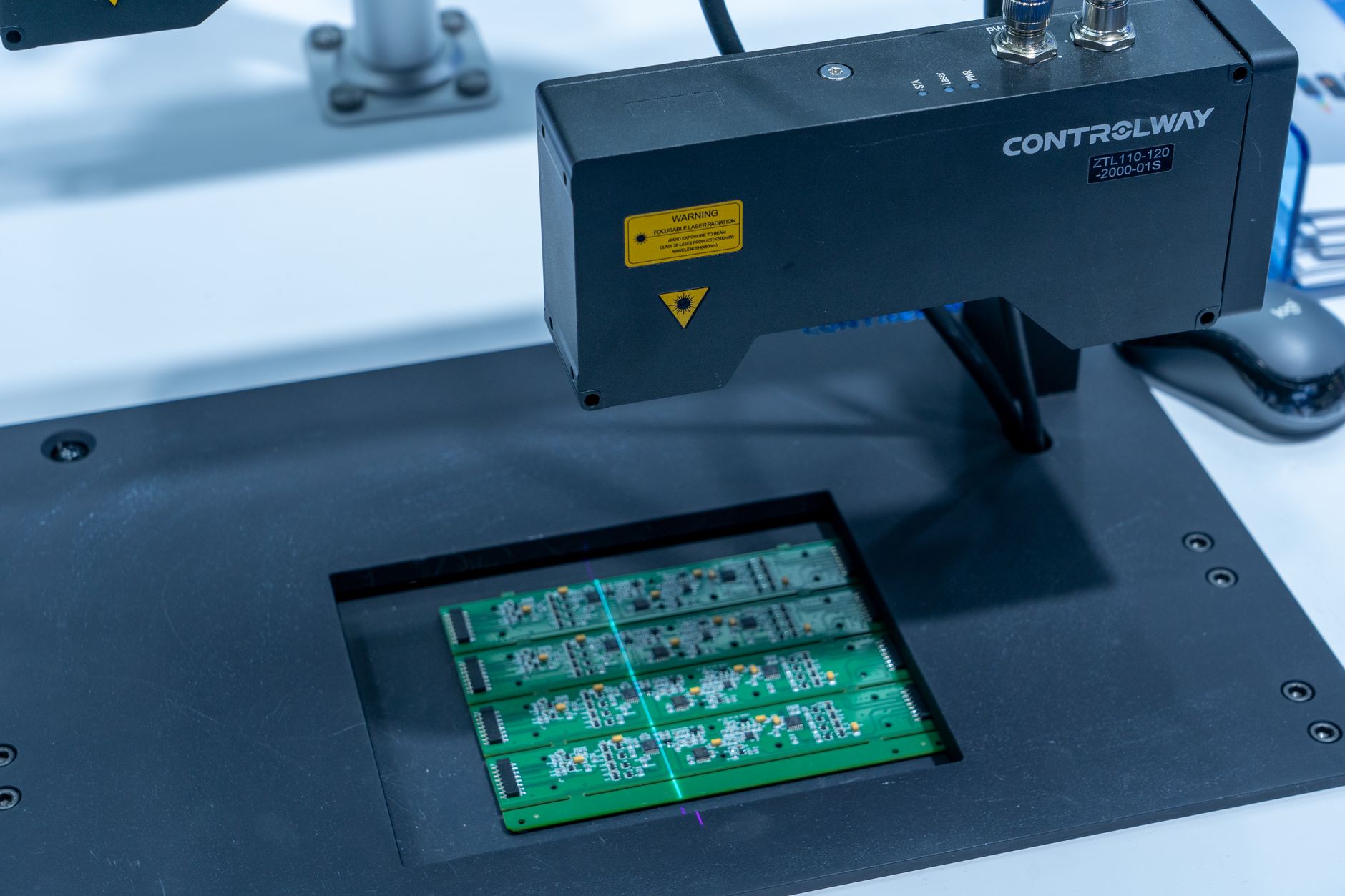
Aehr Test Systems engineers and sells testing systems used by semiconductor manufacturers to validate the reliability and performance of chips. In the production line, these tools simulate real-world stress—for example, heat, power fluctuations, and voltage spikes—to reveal hidden defects that could lead to failures in consumer electronics, data centers, and automotive systems. By catching issues earlier, customers aim to reduce costly rework and prevent field failures that can damage brand trust and warranties.
Two practical takeaways help frame why Aehr matters for investors:
- Quality control at scale: The testing systems enable manufacturers to improve yield and chip quality as design rules become tighter and devices become more complex.
- Cost containment: By catching defects earlier, customers can avoid costly post-manufacturing recalls and warranty claims, potentially improving gross margins across their product families.
From an investor relations perspective, these capabilities translate into a narrative about growth through real customer wins, expanding addressable markets (AI, automotive, high-performance computing), and the potential for higher service revenue as installed bases accumulate. The real-world implication is that the Aehr business model leans on a mix of hardware sales and later-stage services—a combination that can provide steadier cash flows once a customer base develops.
Why the Stock Jumped: The AI-Fueled Growth Narrative
The core driver behind today’s move in aehr test systems stock lies in a refreshed growth forecast tied to AI adoption. In the semiconductor world, AI workloads demand more powerful and reliable chips, and the testing chain must keep pace with increasingly complex designs. Aehr framed its outlook around several catalysts that resonate with investors:
- Rising AI chip production: As AI accelerates, chipmakers need more robust testing and validation solutions to ensure reliability before ramping volumes.
- Backlog visibility: A visible backlog signals near-term demand and helps reduce the risk of sudden order drops, which can spur confidence among shareholders.
- Expanding addressable markets: Beyond memory and logic chips, there’s growing interest in system-level testing for AI accelerators, automotive sensors, and high-reliability applications.
- Efficiency and yield improvements: Fans of the company point to potential efficiency gains for customers who adopt Aehr’s solutions, supporting the business case for sustained spending on testing equipment.
For the investors following aehr test systems stock, the message isn’t just about a single year of glossy forecasts. It’s about the trajectory of demand—whether AI-driven demand sustains a multi-year run or fades as supply chains normalize. The company’s ability to convert forecasted demand into contracts, and then into recurring service revenue, will be a crucial test in the months ahead.
Assessing the Sustainability of the AI-Focused Growth Forecast
Forecasts often spark excitement, but investors need depth to assess sustainability. Here are the practical lenses to apply when you think about the AI-driven outlook for aehr test systems stock:
- Market timing and lifecycle: AI adoption cycles tend to run in waves. Early-stage enthusiasm can create acceleration in orders, but later-stage demand depends on long-term customer diversification and repeat business.
- Competitive positioning: Aehr competes in a field with rivals ranging from established semiconductor equipment firms to niche testing providers. The ability to differentiate on ease of integration, accuracy, and total cost of ownership matters for long-term wins.
- Capital intensity: The testing equipment market can require meaningful R&D and manufacturing investments. Investors should check whether the company has sufficient cash runway to fund product development while funding working capital needs.
- Customer concentration: If a large portion of revenue comes from a small group of customers, the loss of one big customer could have outsized impact. A diversified customer base supports steadier growth projections.
From a valuation perspective, the AI narrative often invites higher expectations for revenue growth and gross margins. Yet the durability of these margins depends on competition, technology adoption curves, and the company’s ability to monetize services and software as a recurring stream. The key for aehr test systems stock investors is to separate the excitement about AI from the fundamentals—backlog, cash flow, and customer retention—that determine whether the stock can sustain gains beyond a single market cycle.
How to Evaluate Aehr Test Systems Stock in Your Portfolio
Whether you’re a growth-oriented investor or a more defensive buyer looking for diversification in a semiconductor tools niche, there are concrete steps you can take to assess aehr test systems stock within your portfolio:
- Set a time horizon: If you’re buying on the AI growth narrative, plan for a 12–24 month horizon to ride through potential volatility and to observe how forecasted orders translate into actual results.
- Assess cash runway: Check the company’s cash, debt, and burn rate. A strong balance sheet with a modest debt load reduces the risk of weak earnings in a capex-heavy industry.
- Compare to peers: Look at other semiconductor equipment players with similar exposure to AI-driven demand. Are AEHR’s margins better or worse than its peers as it scales?
- Monitor earnings quality: Favor earnings that come with rising operating leverage. If revenue grows but margins stay flat or deteriorate, the stock may face multiple compression.
- Watch for color in guidance: How management frames future quarters matters. Cautious guidance can indicate a mature forecast, while optimistic forecasts require proof in the form of contracts and implementation milestones.
For a practical example, imagine you own a diversified tech sleeve that includes several semiconductor-related names. If the aehr test systems stock position is small, you might use a modest tranche to test the waters—snapping up shares after a material rise in AI demand, then watching the upcoming quarterly results for confirmation. If the results show better backlog growth and a higher service revenue contribution, you could consider increasing exposure. If results disappoint and the AI demand narrative shows cracks, you’d reassess your position rather than doubling down in a volatile environment. This kind of disciplined approach helps protect capital while giving you a chance to participate in the upside when the thesis plays out.
Risks to Keep in Mind
Every stock that rises on a growth narrative also carries downside risks. For aehr test systems stock, investors should stay mindful of the following:
- earnings volatility: Early-stage AI optimism can push estimates higher; a miss or weaker backlog could trigger a pullback.
- capital intensity and dilution: If the company pursues aggressive expansion, it might issue new shares, which can dilute existing holders.
- macro shifts: Cyclical swings in technology spending, supply chain constraints, or macro uncertainty can blunt the pace of AI-adoption in semiconductors.
- valuation risk: A rapid rally can push the stock into stretched territory. Valuation can compress quickly if growth proves less durable than hoped.
In light of these dynamics, it’s prudent to maintain a balanced view. The ai-driven rally can be real and sustainable, but it is not a guarantee. The prudent investor tests the thesis against the tangible metrics the business can actually deliver—backlog progression, customer wins, and service revenue expansion—before committing more capital to aehr test systems stock beyond a core position.
Real-World Scenarios: How Different Investors Might Approach This Move
Consider three investor archetypes and how they could think about aehr test systems stock after a surge spurred by AI optimism:
- The Opportunistic Trader: This investor looks for sharp, short-term momentum. They might buy after the stock surges and sell into strength or around a known catalyst such as an upcoming earnings release. The goal is to capture a quick gain while managing risk with tight stop losses.
- The Value-Oriented Long-Term Investor: This investor evaluates whether the AI forecast is backed by durable cash flow growth. If backlog, recurring revenue, and margins show an improving trend, they could build or maintain a modest position for the long haul, accepting volatility as part of the growth narrative.
- The Diversified Growth Portfolio Builder: This investor adds a small stake to balance a portfolio of tech growth ideas. They look for correlation with AI demand cycles and prefer companies with a clear product-market fit and credible milestones, not just a single forecast.
Each path has its merits, but all three will benefit from focusing on fundamental signals rather than chasing headlines alone. The goal is to translate the AI story into a credible, evidence-backed plan that fits your risk tolerance and time horizon, not just a momentary surge in aehr test systems stock.
Conclusion: Read the Signals, Not Just the Headlines
The surge in aehr test systems stock reflects a fast-moving narrative where AI-driven demand for semiconductor testing equipment could translate into real orders, better margins, and a larger installed base in the years ahead. However, as with any growth play, the longer the forecast, the more important it is to verify it against tangible metrics: backlog growth, conversion of opportunities into contracts, and the trajectory of service revenue. For investors, the path forward is to stay grounded in the fundamentals while weighing the upside of an AI-driven market backdrop. If the company can deliver consistent progress on backlog, revenue mix, and cash generation, the stock’s early momentum could mature into a durable uptrend. If not, the accompanying volatility may require prudence and a readiness to reassess rather than chase every new headline.
FAQ
Q1: What caused the Aehr stock surge?
A1: A refreshed AI-focused growth forecast signaled stronger near-term demand for Aehr’s testing equipment, amplifying investor optimism about future orders and potential margins. As with many tech names, a compelling forecast can drive a sharp move, but the durability of the rally depends on subsequent results and backlog realization.
Q2: How should I evaluate aehr test systems stock in my portfolio?
A2: Look at backlog growth, customer diversification, and the mix of hardware versus service revenue. Compare margins with peers and assess the company’s cash runway. Use a multi-quarter view to separate one-off effects from sustainable improvements.
Q3: What are the key risks to watch for?
A3: Execution risks (meeting forecasted backlog), competitive pressures, potential dilution from capital-raising, and macro shifts in semiconductor capex. A high-growth narrative can be volatile if the underlying fundamentals don’t materialize as expected.
Q4: Is Aehr a good long-term investment for AI exposure?
A4: It can be, if the company consistently expands its installed base, monetizes services, and grows margins with sustainable cash flow. A long-term view should include sensitivity to AI demand cycles and the company’s ability to translate forecasts into realized orders.
Discussion