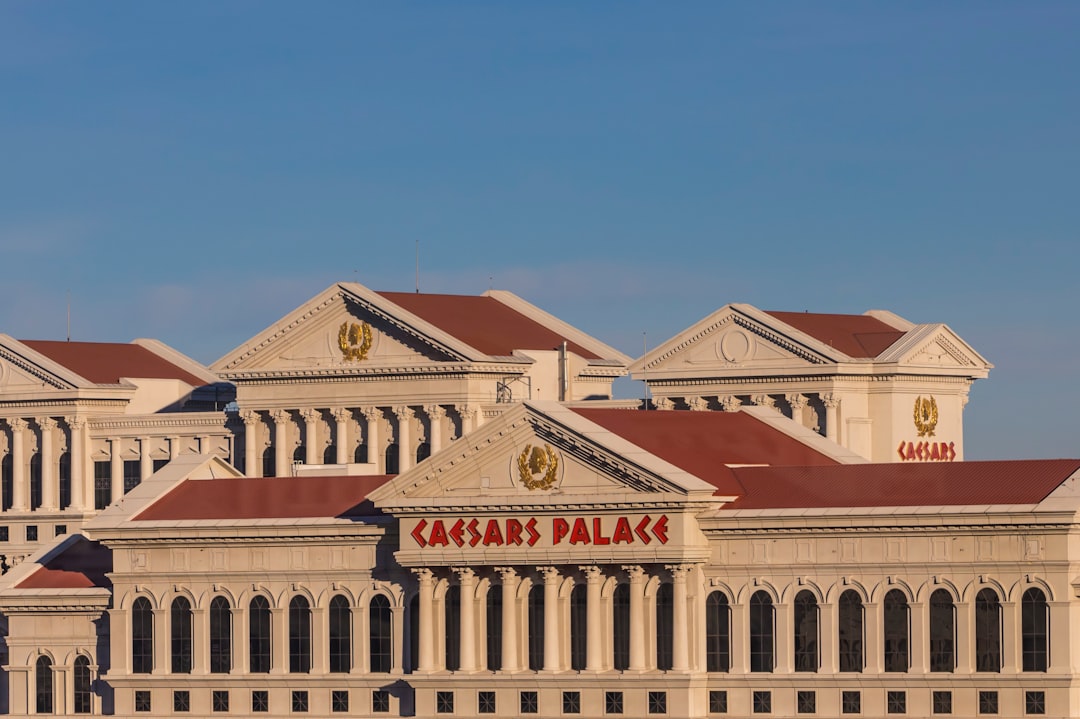
Caesars Take-Private Sparks a Private-Equity Wave
June 1, 2026 — Caesars Entertainment confirmed a definitive agreement to be taken private by Fertitta Entertainment in an all-cash transaction valued at roughly $17.6 billion. The deal includes the assumption of about $11.9 billion of Caesars’ debt, with shareholders receiving $31.00 per share, a 49% premium to the price on Feb 25, 2026. A go-shop period runs through July 11, 2026, giving the seller time to seek better offers.
Analysts say the premium, the clean cash-flow profile, and the load of debt already carried by pe firms create a blueprint for the next wave of buyouts. With credit markets open and fund managers sitting on dry powder, battered public companies with recognizable brands or solid cash generation could be in play. The market chatter has a familiar note: after caesars deal, these opportunities could surface in the coming weeks.
The Caesars move is more than one transaction. It signals a shift in how sponsors price take-private deals, how robust the lending environment remains, and how quickly corporate boards respond when markets show a bias toward cash-intensive buyouts. For investors, the question is not whether the next deal comes, but which names fit the profile and how much premium would be required to move them off the public market.
Four Take-Private Targets to Watch
Across sectors, four publicly traded companies stand out to market watchers as plausible take-private candidates in the wake of the Caesars deal. Each carries a mix of brand recognition, steady cash flow, or a balance sheet that could attract private-equity buyers, even as 2026 market conditions remain volatile.
Etsy Inc. (ETSY): A Brand-Driven Market Place With Room to Consolidate
Etsy operates a global online marketplace focused on handmade and vintage goods, a model with durable network effects. The company enjoys a loyal user base and steady revenue growth, but its equity has faced multiple macro headwinds that make a take-private case appealing to some sponsors.

- Market cap: roughly $6.0–$7.0 billion in today’s trading range.
- Debt and liquidity: net debt in the low-to-mid billions, with cash generation showing resilience in the latest reporting period.
- EBITDA trend: positive but single-digit EBITDA margins in a challenging consumer environment; free cash flow remains a meaningful, if variable, metric.
- Strategic fit for a buyout: strong brand recognition, a scalable marketplace, and a focus on efficiency could appeal to a PE buyer looking to simplify the platform and accelerate growth via acquisitions.
Analysts say Etsy’s mix of brand value and cash generation creates a credible take-private case, though the company’s reliance on consumer discretionary spending adds risk if the economy slows. “Any take-private approach would hinge on a constructive valuation multiple and a clean path to debt financing,” notes Mia Chen, equity strategist at Primeview Partners. “Etsy’s brand moat helps, but the buyout would need a disciplined plan for a lower operating-cost runway.”
The market looks at Etsy as a test case for how a mid-cap, asset-light business could be valued in a private-equity-led buyout cycle. If a deal materializes, it would come with a premium to current trading and a clear roadmap for cost discipline and potential bolt-on acquisitions to boost scale.
AMC Entertainment Corp. (AMC): A High-Profile Playbook With Debt Load
AMC remains one of the most visible names in entertainment, with a unique footprint in cinema and a stock that has traded in a wide range amid evolving consumer habits. A take-private move would hinge on managing a heavy debt stack while capitalizing on synergies with streaming, production, or theater networks.
- Market cap: in the low billions, with substantial variability in valuation depending on debt and liquidity assumptions.
- Debt picture: one of the higher debt loads among public peers, creating a significant hurdle but also a potential leverage play for a PE sponsor with theater-management expertise.
- Cash flow and EBITDA: volatile, with periods of profitability offset by capital-intensive obligations; lenders will demand clear repayment and reform plans.
- Strategic angle: potential consolidation in the cinema sector, possible streaming/content partnerships, and operational efficiency gains in theater networks could be attractive to a sponsor looking to reshape the business model.
Market chatter points to AMC as a possibility for a debt-funded, highly structured take-private if a buyer can secure favorable financing terms and a credible post-close plan. “The key for AMC is a clean exit strategy and a credible path to deleveraging,” says Rafael Ortega, M&A analyst at Summit Ridge Analytics. “Without a clear plan, the risk of a failed deal rises in a volatile credit market.”
Rite Aid Corp. (RAD): A Pharmacy Renegotiation Play
Rite Aid has struggled amid competitive pressure and debt burdens, making it a classic setup for a take-private scenario if a private equity sponsor believes it can stabilize operations and optimize store footprint. The chain remains a recognizable brand with a broad footprint, albeit under pressure from rivals and payer dynamics.
- Market cap: well under $1 billion in today’s prices, reflecting ongoing concerns about profitability and debt levels.
- Debt load: multibillion-dollar obligation that would require a thoughtful refinancing plan as part of any buyout proposal.
- Operating cash flow: variable, with periods of positive cash flow offset by store-level underperformance and payer mix headwinds.
- Strategic angle: a take-private could enable a leaner cost structure, renegotiated supplier terms, and a realignment of store network to focus on higher-margin locations.
Industry observers caution that any take-private for Rite Aid would need a robust refinancing plan and a credible store optimization strategy. “The hurdle here is debt maturity and working-capital needs,” notes Dana Silver, senior analyst at Crestline Capital. “A successful buyout would require a finely tuned balance between cash generation and deleveraging.”
Groupon Inc. (GRPN): A Value-Oriented, Brand-Rich Online Platform
Groupon sits at the intersection of e-commerce and daily deals, with a brand that remains familiar even as travel and retail patterns evolve. A take-private scenario could hinge on squeezing more value from the network and tightening the cost base while pursuing strategic growth opportunities off the core platform.
- Market cap: roughly $1.0–$1.5 billion depending on market swings and unit economics improvements.
- Debt and liquidity: manageable compared with other names on this list, but growth investments would require careful capital planning.
- Profitability: historically choppy; the path to meaningful EBITDA hinges on monetizing scale, improving conversion rates, and expanding merchant partnerships.
- Strategic angle: a buyout could accelerate investments in technology, payment rails, and regional marketplaces where Groupon has a foothold but underinvested rivals dominate.
Analysts emphasize that Groupon’s brand equity and user base could appeal to a sponsor aiming to unlock value through cost discipline and platform optimization. “For Groupon, the challenge is turning brand familiarity into predictable cash flow,” says Elena Rossi, private equity research lead at Northpoint Securities. “A take-private would require a precise, data-driven plan for margin expansion.”
What This Means for Investors and the Market
The four names above illustrate why investors are watching closely after the Caesars deal. A successful set of take-private transactions would likely hinge on three factors: robust debt markets, a disciplined valuation framework, and credible near-term plans to deleverage and improve cash flow after close.
- Valuation discipline: sponsors will push for premium levels that still allow room for post-close improvements without overpaying for cyclically challenged businesses.
- Financing environment: banks and nonbank lenders will weigh whether these targets can sustain debt loads with predictable cash flow in a higher-rate regime.
- Time to go private: the go-shop window for Caesars shows that deal timelines in this space can be measured in weeks to months, with regulatory approvals and lender commitments guiding the pace.
Markets are currently parsing the difference between a healthy private-equity cycle and a mispriced wave of take-private bets. The Caesars deal has set a benchmark for deal structure, financing certainty, and premium expectations. If the trend holds, after caesars deal, these patterns could repeat across similar companies as sponsors seek to lock in cash flow and asset-light growth paths.
Analyst Voices and What to Watch Next
Industry voices emphasize that any take-private move will require careful testing of the company’s business model, competitive dynamics, and long-term growth plan. “The next few months will reveal which boards are willing to entertain a sale under a private ownership structure and which management teams can deliver the promised operational gains,” says Jonah Kim, head of equity research at BluePeak Partners. “The Caesars precedent gives boards a framework for evaluating a buyout narrative with confidence.”
Investors should watch the following milestones in the weeks ahead:
- announcement of potential bidders for each target;
- updates on financing commitments and debt-reduction plans;
- any new regulatory or antitrust considerations that could affect a deal timetable;
- progress on post-close integration plans and cost-cutting initiatives.
The takeaway for market watchers remains clear: the market’s appetite for take-private deals is alive, and the Caesars transaction has supplied a working blueprint for how such deals could unfold. If the trend continues, after caesars deal, these conversations will likely intensify for other companies with steady cash flow and recognizable brands, as private-equity buyers seek to capitalize on favorable financing conditions and potential efficiency gains.
Discussion