Market Snapshot
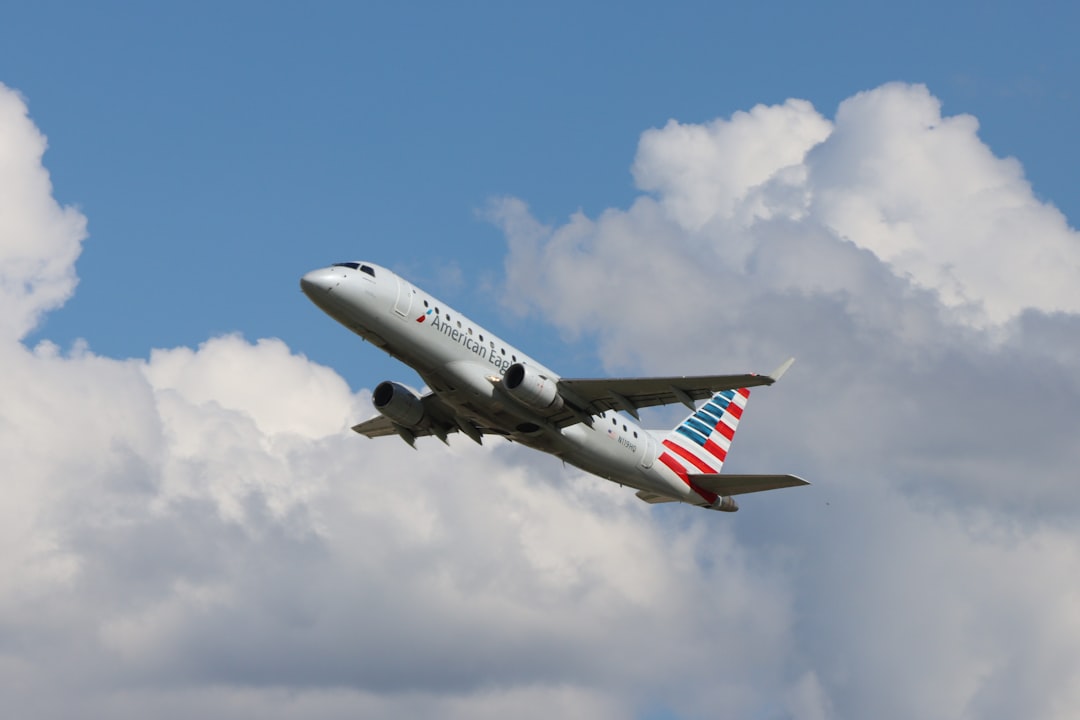
American Airlines Group (NASDAQ:AAL) moved lower on Thursday, slipping about 4% and trading near the $10.90 level after Evercore ISI cut its price target from $17 to $14 and flagged unhedged fuel exposure as crude prices rallied.
Other major U.S. airlines were not spared, with Southwest Airlines (LUV) down around 6%, United Airlines (UAL) off about 4%, and Delta Air Lines (DAL) easing roughly 2% on the same session. The broader market also drifted lower as investors weighed macro risks and a potential shift in consumer demand for travel and services.
What Is Moving the Stock
Fuel costs remain a critical swing factor for airline earnings, and a sharp rise in crude prices is pressuring margins. WTI crude climbed into the mid-90s per barrel, with traders citing a mix of supply concerns and demand resilience as drivers behind the move. A senior energy equity analyst noted, “We see fuel hedges lagging and crude near $93 per barrel,” highlighting a tail risk for carriers with heavy jet-fuel exposure.
Buy-Side Perspectives
Market participants described today’s action as a combination of sector rotation and a re-pricing of risk around economic growth. “The airline group is a high-beta proxy for confidence in the economy, and today’s price action reflects that sensitivity,” said a portfolio manager at a regional brokerage. In the same breath, analysts stressed that the narrative is broader than any single carrier, pointing to labor tensions and cost pressures as ongoing themes.
Labor and Fuel: The Double-Headed Risk
Labor dynamics remain a focal point for investors. Talks with flight attendants and pilots have added a layer of uncertainty to scheduling and staffing costs, potentially pushing unit costs higher in a period of already elevated fuel expense. A labor market veteran cautioned that any escalation could compress margins further at a time when demand for travel is recovering unevenly.
On the fuel side, even as crude prices fluctuate, airlines cannot rely on hedges to fully blunt a sustained rally. The combination of higher fuel burn and potential wage settlements contributes to a fragile earnings outlook through the spring and into the summer travel season.
What This Means for Investors
- Stock-specific risk: American Airlines drops airline-related headlines tend to amplify trading volatility when fuel costs move and labor chatter intensifies. Today’s action suggests investors are pricing in a tougher fuel and labor environment for 2026.
- Sector sentiment: The whole airline group is under pressure, with peers sliding in tandem as macro concerns reassert themselves and growth signals waver.
- Oil as the wild card: With WTI trading near the mid-90s per barrel, investors will watch for any pullback in crude that could ease the pressure on carriers’ margins.
Market Context and the Road Ahead
The daily move comes as the S&P 500 treads lower on renewed inflation worries and expectations for interest-rate paths. Airlines historically respond quickly to shifts in macro momentum, and today’s price action underscores how sensitive this industry remains to fuel costs and labor costs alike. The focus keyword american airlines drops airline has surfaced in market chatter as traders try to determine whether today’s slide is a prelude to a larger sector repricing or a temporary pullback within a recovering industry.
Sector Snapshot
- Southwest Airlines (LUV) down ~6% on the day
- United Airlines (UAL) down ~4%
- Delta Air Lines (DAL) down ~2%
- Overall airline sector showing renewed volatility as crude prices persist near elevated levels
What Traders Are Watching
Beyond the headline moves, traders will scrutinize the next batch of earnings guidance, cost-out initiatives, and any shift in flight schedules that could influence passenger demand. If fuel prices stabilize or ease, investors expect a partial recovery in airline multiples; otherwise, the sector could remain under pressure while labor negotiations unfold.
Bottom Line
American Airlines drops airline shares alongside a broader rout in airline equities, driven by higher fuel costs and ongoing labor uncertainties. As crude holds a firm grip near the mid-90s, the industry faces a critical test: can carriers grow earnings in a high-cost environment while demand continues its uneven post-pandemic recovery?

Discussion