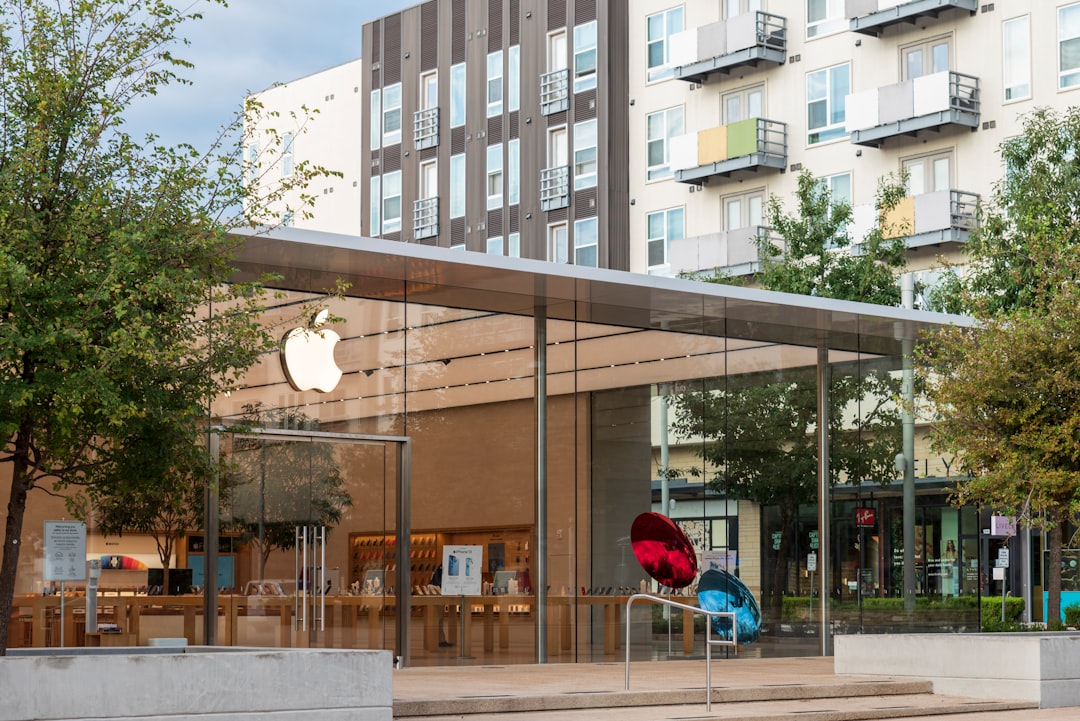
Hooking Into the Market-Cap Race: Why This Topic Captures Investors' Attention
In the world of mega-cap tech stocks, the headline-grabbing question isn’t about daily price moves alone—it's about who sits at the very top of the market-cap ladder. Right now, investors are watching a race that blends device cycles, AI demand, and disciplined capital management: could apple about away from Nvidia to reclaim the crown as the world's most valuable company? The idea is simple on the surface: one company has a multitrillion-dollar valuation backed by iPhone sales, services, and cash flow; the other leads in AI-powered processing chips, data center demand, and a sustained growth trajectory anchored in future technologies. The real question is not just who is ahead today, but what movement in stock prices, profits, and investor sentiment would be needed to shift the balance in a meaningful way.
For investors, this topic matters because it reframes how we think about growth, risk, and opportunity. A move like Apple about away from Nvidia would not only shift bragging rights; it would reflect a broader change in market dynamics—where consumer technology magic, software ecosystems, and recurring services intersect with the ramp of AI hardware and software ecosystems. Below, we’ll explore the current numbers, the catalysts that could widen or close the gap, and practical steps you can take if you want to participate in or protect against this kind of market move.
Current Valuations: A Snapshot of a Narrow Gap
As of the latest trading window, Nvidia’s market capitalization sits near the top of the tech heap, with a value around $4.7 trillion. Apple trails closely, hovering near $4.5 trillion, leaving a gap of roughly $190 billion, or about 4% in market-cap terms. In markets that can swing on a single day’s headlines or a single quarterly report, that 4% gap can feel like a tight squeeze or a wide chasm, depending on which side of the trade you sit on. This is not a case of one company being an order of magnitude larger; it’s a nuanced race where investor sentiment, buybacks, and debt levels also play into the final tally.
Two quick realities frame the conversation:
- Valuation isn’t just a number on a ticker. A 4% gap in market cap translates into real-world implications for index weights, fund flows, and the psychology of leadership in tech investing.
- Different business cycles. Nvidia’s edge comes from AI-driven data-center demand and chip pricing power; Apple’s strength lies in devices, services, and a massive cash-generating ecosystem that funds buybacks and dividends.
What Would It Take for Apple About Away From Nvidia to Happen?
The short answer is straightforward: a combination of Apple’s stock price movement, Nvidia’s price path, and the overall market backdrop would need to align to close or flip the 4% gap. But the details matter—because stocks don’t move in a straight line, and a handful of catalysts can tilt the scales more than a single headline. Here are the key levers at play.
1) Short-Term Momentum Shifts in AI and Hardware Demand
Nvidia’s leadership rests on AI accelerators and software ecosystems that are accelerating data-center and cloud demand. If AI spending accelerates again in the next few weeks, Nvidia could extend its lead; if a new wave of AI demand cools or a supply constraint eases, Apple could benefit from the broader tech rally and catch up in market cap. The reality is that investor expectations for AI-driven revenue growth can swing rapidly based on quarterly updates, guidance, and the pace at which enterprises adopt new AI workloads.
2) The iPhone, Services, and the Reinvestment Tempo
Apple’s strength isn’t just the iPhone’s sales; it’s the sprawling ecosystem of services, wearables, and a growing base of installable user accounts. A meaningful acceleration in services revenue, higher-margin hardware products, or a new subscription driver could lift cash flow and justify a higher multiple. Conversely, if iPhone demand softens or the macro backdrop dampens consumer spending, Apple’s multiple could compress even if hardware sales hold up. In this race, Apple’s ability to convert hardware demand into durable services revenue is a critical differentiator that can push the valuation needle in a tight window.
3) The Nvidia Side: Pricing Power Meets Supply Dynamics
Nvidia’s valuation reflects more than chip sales; it captures leadership in AI compute and the expectation that data centers will continue to invest heavily in accelerators. What could shift this trajectory? New product lines, improved supply conditions, or a broader AI infrastructure push could sustain Nvidia’s growth. On the flip side, if demand moderation arrives sooner than expected or if competition intensifies, Nvidia’s stock could experience a temporary pullback, narrowing the gap with Apple. For investors, watching backlog levels, data-center capex trends, and the cadence of AI-related orders provides actionable signals about whether Nvidia remains a durable leader or faces nearer-term headwinds.
Understanding the Mechanics: How the Gap Can Close
Closing a market-cap gap isn’t purely about a one-day surge in Apple stock. It involves a blend of share-price movements, investor demand, and the number of shares outstanding. Here are the practical mechanics at play:
- Share-price swings. In a 2-3 week window, a gain of 2-3% in Apple and a drop of 1-2% in Nvidia could erase the 190-billion-dollar gap. More dramatic moves could narrow it faster, but they also introduce higher volatility risk.
- Share count stability. Apple’s share count is relatively stable, but buybacks can gradually reduce the float, enhancing the impact of price movements on market cap over time.
- Market sentiment and leadership narratives. Market participants often buy into leadership themes. If investors increasingly view Apple as a leader in consumer tech and sustainable services growth, while Nvidia’s growth story remains strong but more cyclical, the valuation gap can compress as multiples re-rate.
What Investors Should Watch This Month
To stay ahead of the curve, focus on the indicators that most closely reflect the dynamic between these two giants. Here are four practical areas to monitor.
- Revenue growth and margins. Look at Apple’s services growth and hardware margins versus Nvidia’s data-center margins and AI software ecosystem.
- Cash on hand and buybacks. Apple’s hefty cash pile and ongoing buyback program can support a high multiple, while Nvidia’s balance sheet must fund capex and inventory for AI demand cycles.
- AI market demand signals. Enterprise AI adoption rates, cloud vendor confidence, and AI accelerator backlog provide early clues about how durable Nvidia’s leadership could be.
- Macro data and consumer spend trends. A stronger consumer backdrop supports Apple hardware sales, while a robust tech capex cycle supports Nvidia’s enterprise business.
Practical Investing Takeaways: How to Position for the Narrative
If you’re reading this with an eye toward action, you’re not alone. The apple about away from narrative is best navigated with a clear plan, disciplined risk controls, and a realistic time frame. Here are practical strategies for different investor styles.
For Long-Term Investors: Focus on the Core Drivers
Long-term investors should prioritize the durable drivers: Apple’s ecosystem and services growth, and Nvidia’s AI compute leadership. A patient investor might diversify exposure to maintain a strategic weighting that captures upside without overexposing to short-term volatility.
- Allocate to Apple for cash-flow stability and service growth potential.
- Maintain a satellite position in Nvidia to participate in the AI compute cycle.
- Reinvest dividends and consider automatic rebalancing to keep your target allocation aligned with your risk tolerance.
For Tactical Traders: Short-Term Moves with Thematic Triggers
Active traders might look for catalysts—earnings surprises, AI product announcements, or regulatory news—that could drive one stock to temporarily outpace the other. In a 2-4 week window, a disciplined approach to risk management is essential.
- Set tight stop losses on positions that move against you in a single trading session.
- Use options strategically to participate in limited moves or hedge portfolio exposure.
- Monitor intraday price action around key product announcements or earnings releases.
Risks You Should Not Ignore
While the vision of Apple about away from Nvidia is compelling, investors must guard against common pitfalls. Valuation gaps can widen or close quickly, driven by macro shocks, regulatory developments, or unexpected shifts in growth trajectories. Here are the top risks to keep in view:

- Valuation compression. Even with strong fundamentals, a market-wide re-rating can compress multiples across mega-cap tech, temporarily widening or narrowing the gap in unexpected ways.
- Execution risk. Apple’s ability to monetize services and new hardware lines is material. Nvidia’s ability to sustain AI compute demand and manage supply chains is equally critical.
- Macro volatility. Interest-rate moves, inflation data, and geopolitical tensions can influence equity valuations, particularly for technology leaders with high growth expectations.
Putting It All Together: A Clear Conclusion
The question of whether apple about away from Nvidia can become a reality this month is not merely a math exercise on a price chart. It’s a test of how the AI revolution intersects with consumer technology, how cash flow translates into equity value, and how market sentiment translates growth expectations into multiples. The gap is narrow enough to matter, but not so wide as to make overtaking a certainty in the near term. What matters for investors is not just the headline number today, but the trajectory of earnings, the resilience of cash generation, and the ability to manage risk as valuations ebb and flow.
Whether you’re a patient long-term investor or a nimble trader, the key takeaway is clear: stay grounded in fundamentals, monitor the catalysts that could move Apple and Nvidia, and align your portfolio with a clear plan that reflects your risk tolerance and time horizon. The race at the top of the market cap is a fascinating lens into how tech, AI, and consumer ecosystems converge—and it offers a real-world example of why disciplined investing beats chasing headlines.
FAQ
Q1: Could Apple overtake Nvidia this month?
A1: It’s possible if Apple experiences a positive stock move while Nvidia stalls or pulls back. Given a roughly 4% gap, a few days of favorable price action for Apple and stable or modestly down Nvidia could narrow the lead or flip it, but timing the move perfectly is challenging and depends on market sentiment and catalysts.
Q2: What would be the main catalysts for Apple to gain on Nvidia?
A2: Strong iPhone and services demand, better-than-expected services revenue growth, or a positive update on hardware margins could lift Apple’s multiple. For Nvidia, persistent AI data-center demand and favorable supply conditions support its lead. A shift in AI software ecosystems or enterprise capex trends could tilt the balance in either direction.
Q3: How should an investor position themselves around this narrative?
A3: Consider a balanced approach: maintain core exposure to both Apple and Nvidia if you have a tech-centric thesis, use diversification to manage risk, and avoid over-allocating to a single move in market-cap swing. Regularly rebalance and use stop-loss or hedging strategies to protect against sharp reversals.
Q4: How does this mega-cap race fit into broader market context?
A4: Apple and Nvidia are among the most influential drivers of the tech market. Their relative performance often reflects broader trends in AI, consumer demand, and corporate tech spend. The race for the top spot is a reminder that leadership in mega-cap tech can shift with macro momentum, but durable value comes from cash flow, margins, and the ability to monetize growth over time.
Discussion