
Arm Quietly Becoming Backbone Of AI, Redefining the Investment Landscape
Arm is quietly becoming backbone of AI across cloud, edge, and devices, a shift that could redraw the economics of AI hardware for years to come. In 2025, Arm moved beyond its traditional licensing model with the AGI CPU program, signaling a direct-for-core-CPU push into hyperscale AI infrastructure. The company remains fabless, relying on external foundries to manufacture the chips at scale. This transition places Arm at the center of a broader AI architecture race that investors have watched unfold since the AI surge began to accelerate in 2024.
While processors from GPUs and AI accelerators grab headlines, Arm’s strategy points to a CPU architecture layer that underpins the entire AI stack — from hyperscale data centers to edge devices and even certain PCs. As Arm executives discussed on the May 2026 earnings call, AI workloads are evolving toward continuous agent-driven tasks, expanding the role of Arm CPUs in large-scale systems. The takeaway for investors is clear: Arm is quietly becoming backbone of AI by embedding itself inside the core compute fabric that powers today’s AI workflows.
What It Means For Investors
- Shifting moat: Arm’s AGI CPU program is expanding the company’s footprint from a licensing model into direct CPU products for hyperscale AI, potentially widening gross margin visibility if demand remains resilient.
- Platform play: Neoverse and related CPU cores are being embedded in the compute fabric of dozens of hyperscalers, including major cloud providers and AI systems leaders, creating a broader ecosystem effect that could compound revenue over time.
- Fabless advantage, new risks: Arm’s fabless model preserves flexibility and lowers capex, but the company becomes more exposed to foundry cycles and supply constraints as AI demand tightens.
Milestones In The AI CPU Shift
- AGI CPU program launched (2025): Arm began offering direct CPU products engineered for hyperscale AI workloads, stepping beyond traditional CPU-architecture licensing.
- Neoverse gains traction: The CPU platform continues to power AI data centers and edge deployments, with ongoing collaborations across cloud giants and AI hardware ecosystems.
- Hyperscaler partnerships: Arm’s technology is embedded with multiple major cloud providers and AI system builders, deepening its role as a fundamental software-hardware layer behind AI workloads.
Market Context And Risks
The AI hardware market remains hot, with hyperscalers and AI startups alike seeking architectures that can support scalable, cost-efficient AI operations. Arm’s move to a more direct CPU posture is timely, as cloud AI demand continues to surge and edge AI use cases proliferate. The strategy could unlock higher long-term licensing revenue plus potential direct CPU product sales, though it also introduces execution risk if foundry capacity tightens or if competition from GPUs accelerates faster than anticipated.
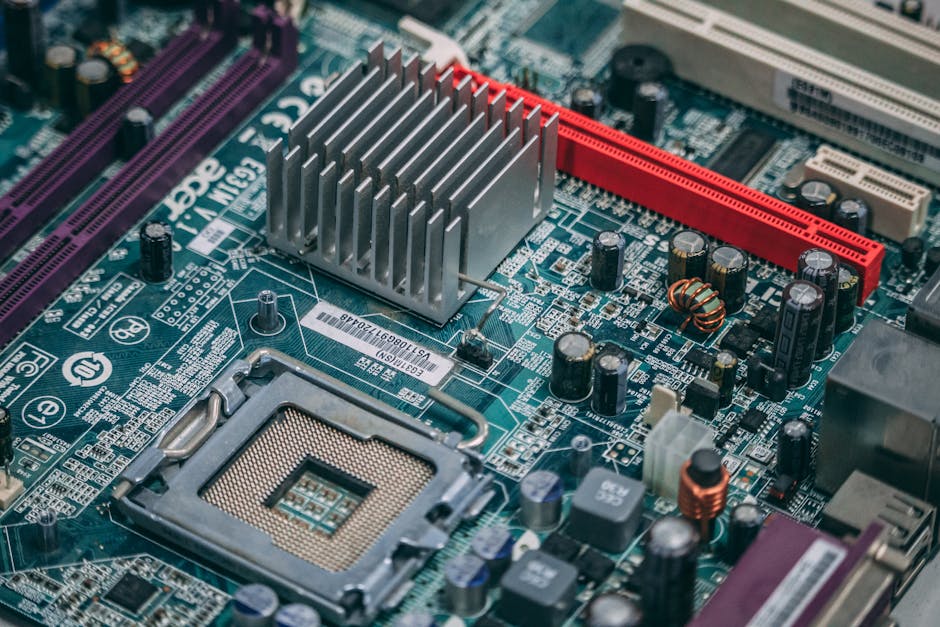
Key point for investors: Arm’s shift toward becoming backbone of AI infrastructure creates a multi-year growth runway tied to AI adoption curves rather than a single product cycle. However, the company faces a crowded field with established players expanding into CPU roles and new entrants courting hyperscaler wallets. The balance of licensing economics, direct CPU revenue, and ecosystem partnerships will determine how durable the growth is.
What To Watch In The Coming Quarters
- Foundry dynamics: Any change in foundry capacity or pricing could impact Arm’s ability to meet demand for AGI CPUs and Neoverse- powered chips.
- Cloud integration: The breadth and depth of Arm’s cloud partnerships will influence market share in AI data centers and influence licensing renewals.
- Product cadence: Updates to CPU cores and memory bandwidth are crucial as AI models scale from training to inference, affecting performance and total cost of ownership.
Conclusion: The Long Run For Arm
As AI workloads continue to evolve—from one-off prompts to persistent agent-driven tasks—Arm is quietly becoming backbone of AI infrastructure. The company’s decision to blend licensing with direct CPU products for hyperscale AI marks a strategic bet that the CPU will remain a central control point in AI systems. For investors, the trajectory suggests a scalable, multi-faceted play on AI adoption, anchored by a broad ecosystem and a proven, fabless model that keeps exposure to downturns limited while opening new revenue streams. If Arm sustains its momentum, the coming years could solidify its role as a fundamental CPU backbone for AI — a development that could redefine what it means to invest in AI hardware.
Notes: The analysis reflects industry developments through May 2026 and assumes continued demand for hyperscale AI infrastructure and edge AI deployments. All references to Arm’s strategy are based on publicly available management commentary and industry context.
Discussion