Lead: A Quiet Economic Shift Hits The Markets
As baby boomers turn caregiving into a broader, more formal role, millions of Americans are juggling a second, unpaid job alongside careers and retirement planning. The care economy is expanding beyond clinics and nursing homes into homes, tech platforms, and service networks. Investors are watching closely as aging demographics collide with slower policy responses and tight labor markets.
The Burden Grows As The Population Ages
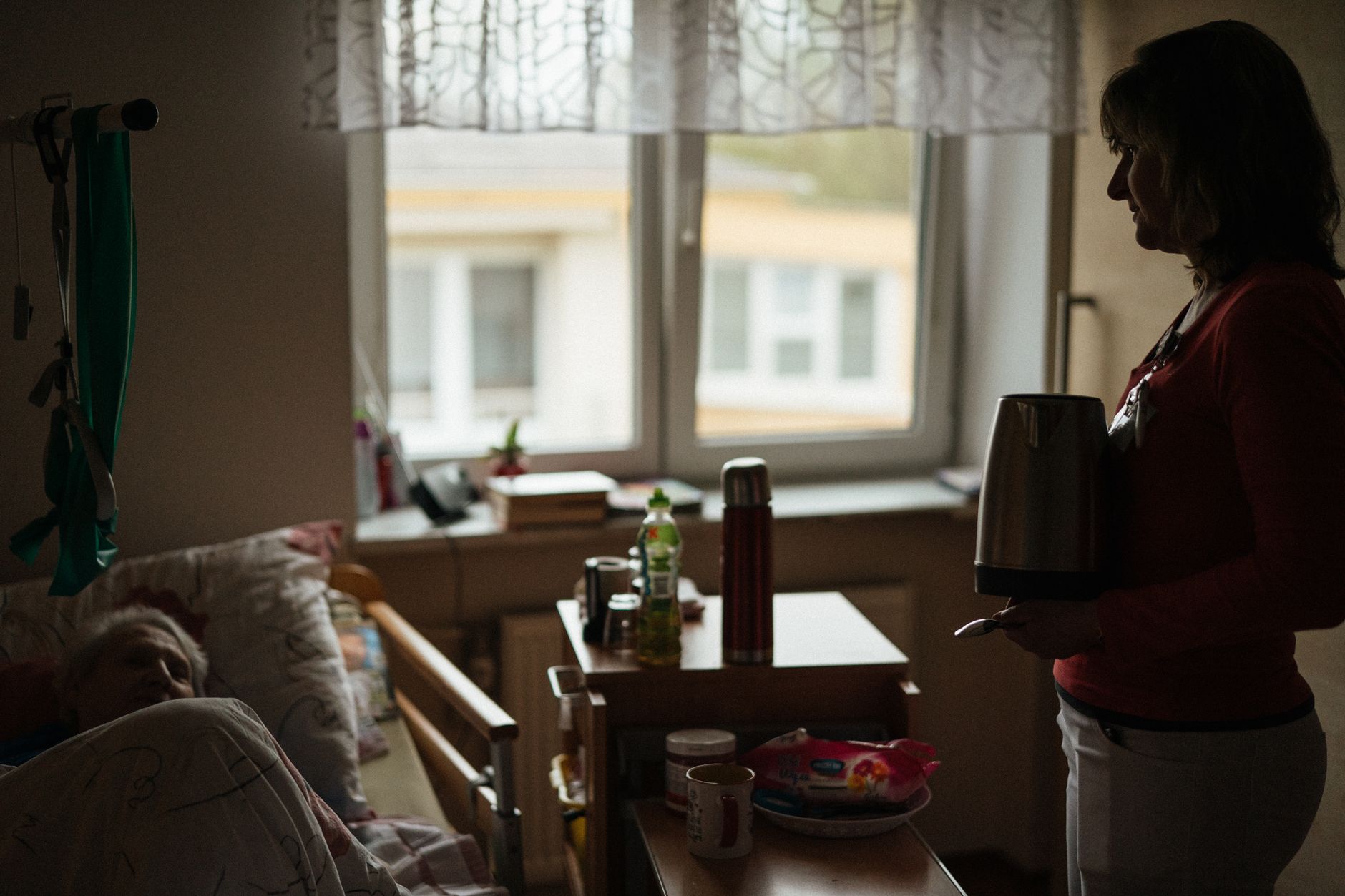
Across the country, an estimated 23 million people care for an older adult, a workload that often stretches 24/7 and never truly ends. The emotional and physical toll is compounded by mounting financial pressures—out-of-pocket costs, lost wages, and retirement shortfalls. In many households, caregiving reshapes budgets for years to come.
Data collected by researchers and advocacy groups show that roughly two-thirds of caregivers are women, and a sizable share report cutting work hours or leaving jobs to meet daily care needs. The consequences ripple through household finances, insurer coverage, and long-term retirement security. As baby boomers turn caregiving into a defining life phase, the economic effects extend far beyond individual families.
Why This Matters For Investors
The caregiving trend is tightening demand for home health care services, remote monitoring, and elder-care software. Private-pay providers, skilled home aides, and specialized transportation services are showing steadier revenue streams than some traditional care models. For public markets, the shift points to growth in healthcare technology, senior housing alternatives, and long-term care insurers.
Financial planners say the trend also creates new considerations for retirement portfolios. When a caregiver reduces work hours or exits the workforce, it changes projected savings, Social Security timing, and risk tolerance. In this environment, patient, diversified exposure to the aging economy can matter more than quick swings in sentiment.
Policy And Workplace Responses Here And Now
Policy makers are debating ways to ease the caregiving burden, including tax credits, paid family leave, and subsidies for home-based care. Employer programs—flexible scheduling, caregiver stipends, and paid time off—are becoming a differentiator in talent retention. The question for investors is how these policy shifts could affect costs, margins, and demand in elder-care sectors over the next decade.
Analysts say the current policy climate is uncertain, but the long horizon favorably aligns with demographic reality. When payers and policymakers align better with caregiving needs, services that enable people to stay at home grow more robustly, pushing related stocks and funds into a more durable uptrend.
What Families And Investors Should Consider
For families, planning now means weighing long-term care insurance, savings buffers, and flexible work strategies. For investors, the aging population creates potential opportunities in specific sub-sectors of health care and real estate used for elder care.
- Long-term care insurance remains a critical hedge for retirement security, though policies vary widely in price and coverage.
- Home health care providers and telehealth platforms may benefit from rising demand as caregivers seek convenient options at home.
- Senior housing alternatives and related REITs could see demand driven by aging-in-place preferences and updated care models.
- Out-of-pocket caregiving costs still weigh on household budgets, reinforcing the appeal of low-cost, scalable services and technology.
Expert Voices On The Caregiving Economy
"Caregiving is no longer a side duty; it’s a central, around-the-clock responsibility that reshapes how families save, spend, and invest," said Dr. Elena Park, elder care economist at a leading university. "As baby boomers turn caregiving into a nationwide pattern, the pressure points create investment niches and policy questions that will outlast any single market cycle."
Raj Patel, a certified financial planner who works with retirees and caregivers, adds, "The biggest shift is in retirement planning timelines. If caregivers scale back earnings, they must adapt savings plans, insurance coverage, and expected Social Security timing to avoid a cliff edge in retirement."
Timothy James, who manages diversified portfolios for families navigating caregiving costs, notes, "The market is pricing a higher floor for elder-care services. Investors looking for resilience should consider firms with scalable home-based care models and technology-enabled care coordination."
Market Outlook: The Caregiving Wave Through 2030 And Beyond
The consensus among market observers is that the aging tide will continue to lift segments tied to in-home care, remote monitoring, and caregiver-support services. The combination of a large, aging population and the ongoing need for flexible care will likely sustain earnings visibility in specialized providers and related tech solutions. Even in volatile markets, the caregiving economy tends to show steadier demand than discretionary consumer segments.
Final Takeaway: The Investing Implications Of A New Normal
As baby boomers turn caregiving into a longer-term life pattern, families must plan with care and foresight. For investors, the trend shapes opportunities in health care services, insurance, and technology that support aging in place. The next decade will test whether policy advances match the pace of demographic change, but one thing is clear: caring for an aging population has become a central, recurring element of personal finance and market strategy.
Note: This story examines broad market implications of caregiving trends and should not be construed as personalized financial advice. Consult a professional for guidance tailored to your situation.

Discussion