
Hook: A Harsh Sell-Off Can Create Real Chance
The AI chip rally has been powerful, but the pullback has been equally dramatic. In recent sessions, a wave of selling swept through the sector, pushing some high-fliers into the shadows and leaving others looking oversold relative to their long‑term prospects. For patient, long-term investors, such pullbacks can reveal opportunities in names that still have strong tech fundamentals, improving demand, and real earnings power.
Today, we’ll step away from the noise and focus on three beaten-down chip stocks worth a closer look. These aren’t hype-driven gambles; they’re companies with established product lines, growing AI-adjacent demand, and cash generation that can fund future growth even in tougher times. If you’re building a diversified AI exposure, these names deserve consideration as you size and pace a position.
What Made The Sell-Off So Severe—and Why It May Create Opportunities
The semiconductor sector often trades on a mix of macro optimism and company-specific catalysts. In the wake of a broad AI chip sell-off, several forces collided: investor concerns about demand volatility in data centers, longer-than-expected AI compute deployment cycles, and the reality that pricing pressure can reappear when supply chains loosen. While those concerns aren’t brushed aside, there are persistent drivers that could shield profits over time:
- AI demand remains a long-term tailwind. Even if quarterly growth slows, the trajectory for AI accelerators, training infrastructure, and inference workloads is still favorable for a subset of players with scale and know-how.
- Technology consolidation and efficiency. Companies that can couple best-in-class architectures with cost discipline tend to outperform peers when cycles turn. Focusing on profitability, not just revenue growth, matters more in today’s environment.
- Cash flow and balance sheets matter. In a volatile market, healthy cash flow and low debt provide ballast and flexibility to weather downturns while funding R&D for future AI gains.
In other words, the sell-off doesn’t erase long‑term fundamentals, but it does raise the question: which beaten-down chip stocks worth considering now actually have durable competitive advantages and the financial wherewithal to ride out the cycle?
1) Advanced Micro Devices (AMD): A Beaten-Down Chip Stock Worth A Second Look
AMD has long positioned itself as a core player in the AI compute ecosystem, thanks to a broad portfolio spanning data-center accelerators, gaming GPUs, and embedded solutions. A pullback in the stock price has investors asking whether the company can sustain momentum as AI workloads scale across clouds and enterprises.
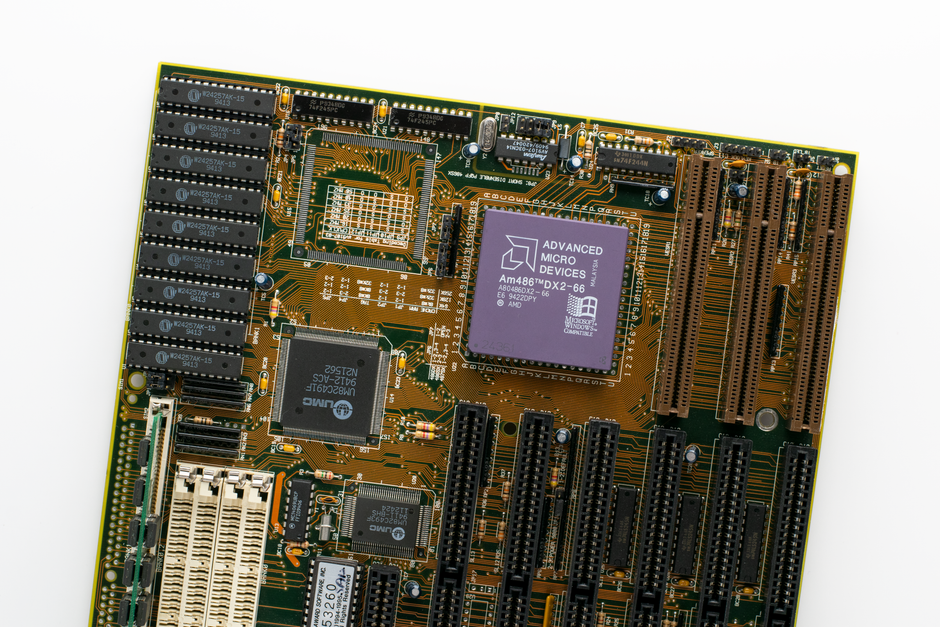
Why it’s beaten down: The recent price action reflects a combination of macro headwinds, valuation recalibration after a period of rapid ascent, and some quarterly results that cooled relative to the strongest stretch. Traders have worried about demand timing in data centers and competitive pressure from alternative accelerators. While these concerns are valid, they don’t erase the underlying growth engine AMD has built in recent years.
What still makes AMD appealing as a long-term holding: A diversified AI compute stack that targets three critical seams—data centers, gaming and content creation, and embedded/edge AI—gives AMD multiple levers for growth. In data centers, AMD’s accelerators are designed to handle both training and inference tasks, while its software ecosystem (drivers, optimization toolchains, and AI libraries) supports adoption. The gaming segment remains meaningful for its brand, margin stability, and ability to monetize high‑end GPUs with software services. And in embedded AI, AMD’s product lines are expanding into automotive, industrial, and other intelligent edge markets.
What to watch (key metrics and signals): 1) AI workload adoption pace in the data center (increasing traffic to PCIe/NVLink connections, memory bandwidth); 2) gross margin stability as supply chains normalize; 3) free cash flow generation and capital allocation discipline; 4) pipeline wins with hyperscalers and cloud providers.
How to think about an entry point
- Split your investment into three tranches: one‑quarter now, one‑quarter on a 5–10% dip, and one-quarter on a material positive catalyst (such as a solid data-center demand update).
- Set a downside threshold based on a fundamental stress test (e.g., if AMD’s data-center revenue growth slows below a defined level for two quarters, pause or trim).
2) Broadcom (AVGO): The AI-Infrastructure Play That Can Weather the Shifts
Broadcom operates in several high‑quality semiconductor markets, including data-center connectivity, networking, and storage. Its broad portfolio provides exposure to the compute ecosystem that AI infrastructure depends on, from high-speed interconnects to server chips and network accelerators. The recent pullback has some investors questioning whether Broadcom can sustain growth as AI deployment cycles evolve. However, the company’s diverse revenue streams and robust cash flow profile make it a candidate for those who want a steadier, more resilient chip stock worth considering in a volatile period.
Why it’s beaten down: The sell-off reflected investor concerns about demand cadence in AI infrastructure, some near-term guidance revisions, and valuation compression after a multi-year rally. The fear: if AI spending cools or if competition intensifies, margins and growth could come under pressure. Still, Broadcom’s breadth across data-center components and networking gear provides a cushion against single‑product weakness.
Why AVGO could still be a prudent bet for the right portfolio: The AI compute stack relies on fast data transport, reliable memory interfaces, and high-performance network adapters—the kinds of products Broadcom has historically supplied with scale. With back-end profitability, steady free cash flow, and a disciplined approach to capital allocation (think buybacks and selective M&A), AVGO could offer a balance of yield, downside protection, and upside optionality as AI deployments proceed.
What to watch (signals that matter): 1) Health of hyperscaler capex and data-center refresh cycles; 2) gross margin resilience during demand swings; 3) progress on strategic programs in data-center networking; 4) debt levels and cash conversion cycle improvements.
Entry ideas and risk notes
- Consider a stepwise approach: start with a small position during the initial dip, then add on evidence of continued free cash flow generation and stable margins.
- Be mindful of leverage exposure in cycles when AI capex slows. The company’s debt position should be sustainable given its cash generation, but it’s worth confirming in earnings calls and financial reports.
3) Micron Technology (MU): The Memory Play Becomes An AI‑Driven Beneficiary
Micron isn’t an AI chip in the strict sense, but its memory products power many AI data centers and edge devices. When AI workloads scale, memory bandwidth and density become pivotal—areas where Micron’s products are central. The stock has experienced meaningful volatility, pushing MU into the category of beaten-down chip stocks worth a second look for investors who understand the AI demand cycle and memory market dynamics.

Why it’s beaten down: The memory cyclicality has been a perennial theme, with demand sensitivity to inventory levels and the timing of data-center refreshes. A slower-than-expected memory price recovery and macro headwinds have contributed to a tougher short‑term setup. Yet, AI-driven demand, if it strengthens, often translates into higher memory utilization in servers and accelerators, which can support better pricing and growth in the next cycle.
Why MU could be a solid part of an AI-focused sleeve: Micron’s portfolio spans DRAM and NAND flash—two workhorse memory technologies used in GPUs, AI accelerators, and data-center servers. If AI adoption accelerates, MU’s memory products stand to benefit through higher utilization rates and potential pricing stability. The company has been increasing process efficiency and reducing costs, which helps protect margins during cyclical downturns.
What to watch (critical metrics): 1) Memory price trends and demand signals from hyperscalers; 2) memory supply-demand balance and inventory levels at major customers; 3) progress on cost-cutting measures and capital allocation that support free cash flow; 4) product mix evolution toward higher-margin offerings.
How to Build A Thoughtful Position In Beaten-Down Chip Stocks Worth
Investing in beaten-down chip stocks worth a closer look requires a disciplined approach. Here are practical steps that can help you manage risk while pursuing potential upside:
- Set a frame for risk tolerance: Determine how much you’re willing to lose on a worst-case quarterly scenario and pick a maximum drawdown you won’t exceed. Use position sizing to keep risk in check.
- Anchor to fundamentals: Look for durable market positions, stable free cash flow, and a credible path to profitability even if AI demand fluctuates temporarily.
- Look for catalysts beyond the sell-off: AI deployment milestones, software ecosystem improvements, and enterprise adoption signals can serve as catalysts that unlock stock upside when sentiment improves.
- Diversify within the space: Don’t put all chips in one basket. Pair a well-known data-center AI play with a more diversified name in networking or memory to reduce concentration risk.
Putting It All Together: A Simple Case Study
Imagine you’ve got $20,000 to invest in AI-themed chip exposure after a sharp market pullback. A balanced starter could look like this:
- AMD: 40% ($8,000) — leverages data-center AI demand across compute and GPUs.
- AVGO: 30% ($6,000) — provides a broad chip portfolio with strong cash flow and defensive traits.
- MU: 30% ($6,000) — offers a memory angle that benefits from AI adoption and data-center refresh cycles.
What you’re looking for is not a moonshot, but a plan that can capture upside as AI investment cycles normalize, while preserving capital if conditions worsen. If data-center demand resumes in a healthy way and gross margins stabilize, these beaten-down chip stocks worth a closer look could gradually compound gains.
Final Thoughts: Beating The Odds With A Rational Playbook
The stock market’s fear can be a friend to patient investors who stick to a well-reasoned plan. In the AI chip space, a handful of names show resilience under pressure and offer a path to upside as AI deployments scale. When evaluating beaten-down chip stocks worth considering, focus on durable demand, margin resilience, and cash flow generation. If you can buy with a margin of safety, you may end up harvesting returns that align with the long-run growth story of AI infrastructure.
Frequently Asked Questions
Q1: What makes a chip stock “beaten-down”?
A beaten-down chip stock is one that has experienced a material price decline or underperformance relative to the broader market or its peers, often driven by concerns about growth, margins, or cyclical demand. The key is whether the long-term fundamentals remain intact despite the near-term weakness.
Q2: How do I assess whether a beaten-down chip stock is worth buying?
Look for durable competitive advantages, a credible AI demand thesis, solid cash flow, manageable debt, and a clear plan to improve profitability. Compare valuation against historical ranges and peers, and set objective entry points with defined risk controls.
Q3: Should I focus on a single stock or build a small basket?
A small, diversified basket can reduce idiosyncratic risk. In the AI chip space, combining a data-center AI play (like a GPU/accelerator leader) with a networking or memory-focused stock can help balance growth and stability.
Q4: What time horizon works best for beaten-down chip stocks worth considering?
The most meaningful upside often emerges over 12–24 months, as AI adoption accelerates and hardware demand stabilizes. Shorter-term moves can be volatile; plan for a patient, evidence-based approach.

Discussion