Introduction: The AI Wave Beyond Nvidia
The AI surge that sent Nvidia to the forefront also reminded investors that a broad fertilizer of AI demand can lift other names. Nvidia may be the loudest speaker, but the chorus includes hardware providers, software platforms, and data-center suppliers that capture AI spending from different angles. If you’re asking what comes after the next Nvidia-style run, the answer isn’t a single stock—it’s a mix of companies with meaningful AI revenue, durable competitive positions, and clear catalysts. This article highlights three AI stocks worth watching, explains why they could help you ride the wave, and shows you how to prepare without chasing hype.
To position for the next big move, you’ll want to think about exposure in three areas: compute hardware (chips and accelerators), AI software and platforms, and AI-enabled services that touch everyday business workflows. The idea is to diversify beyond a single name while staying focused on companies that actually monetize AI in meaningful ways. And yes, you’ll also want a plan to manage risk if the market shifts. before next nvidia-style run is the kind of moment when having a thoughtful, diversified approach can pay off—without assuming outsized risk on any one stock.
Three AI Stocks Worth Watching
Below are three AI-oriented names that offer different routes to participation in the AI stack. Each has its own set of catalysts, risks, and ways it could benefit from broader AI adoption. Remember, this is not investment advice, but a framework to analyze potential bets for the next rally.
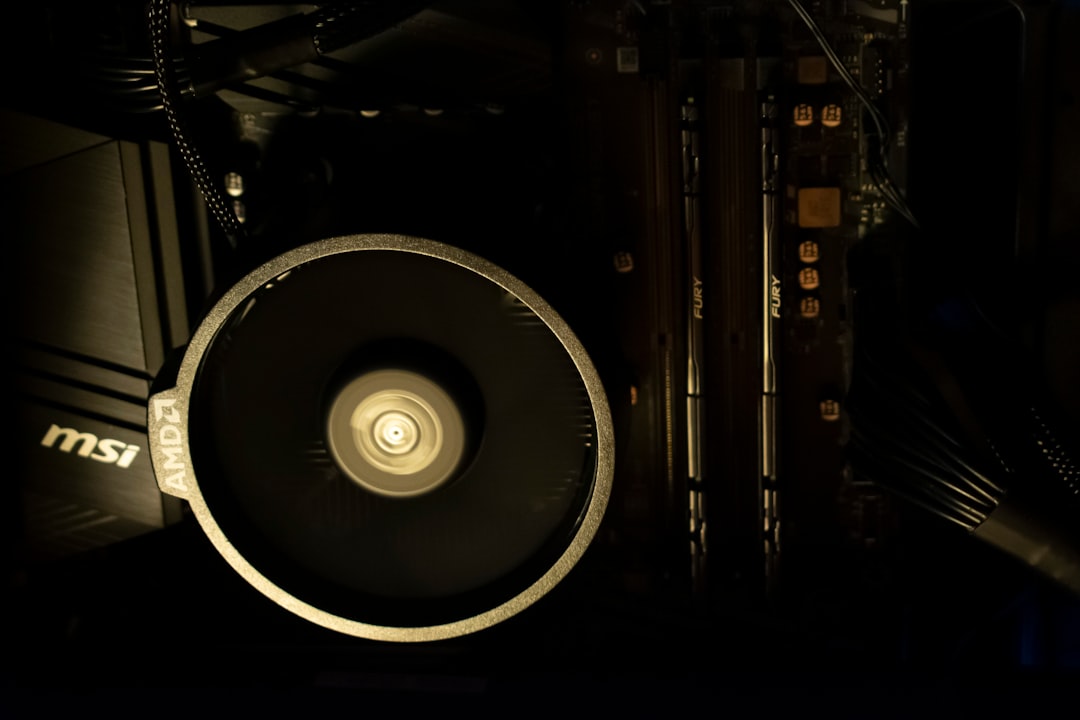
1) Advanced Micro Devices (AMD) — AI Compute and Data Center Momentum
Why it matters for AI investors: AMD is a leading supplier of GPUs and accelerators used in data centers and AI workloads. As hyperscalers expand AI training and inference, AMD’s product cycles and software ecosystem (including ROCm and other developer tools) position it to capture a meaningful slice of AI compute demand. The market often values AMD based on its data-center mix, product roadmap, and its ability to win refresh cycles against peers.
- Catalysts to watch: New GPU generations, partnerships with cloud providers, and an expanding lineup of AI-ready software stacks that ease developers’ adoption. When AI workloads scale, AMD’s hardware and software synergy can translate into higher data-center revenue shares.
- Risks: Semiconductor cycles, pricing pressure from rivals, and the potential for demand softness if hyperscalers delay capex. A single quarter of weaker AI demand can pull margins down in the short term.
- Key metrics to track: Data-center revenue growth, gross margin trend, and cadence of new GPU launches. A rising data-center mix with stable or improving margins is a healthy signal.
2) Alphabet Inc. (GOOGL) — AI-First Platform and Cloud Growth
Why it matters for AI investors: Alphabet doesn’t just run ads and search—it has a broad AI fabric spanning cloud services, enterprise AI tools, and consumer products. The AI tilt comes through integrated products (Gemini-like AI capabilities, language models, and AI-enhanced search) that can lift user engagement and monetization. A diversified AI engine reduces single-source risk and provides multiple paths to revenue growth.
- Catalysts to watch: Cloud AI services expansion, enterprise AI offerings, and consumer product enhancements that monetize AI through search and YouTube. If Alphabet can monetize AI more effectively across segments, the long-run margins could improve.
- Risks: Regulatory scrutiny, antitrust concerns, and competitive pressure from other tech giants investing heavily in AI. Ad revenue can be sensitive to macro cycles, though AI-enabled products may offset some volatility.
- Key metrics to track: Cloud revenue growth, AI-enabled product adoption rates, and operating margin trends in the core businesses. A healthy AI contribution should come with improving operating efficiency over time.
3) C3.ai (AI) — Pure-Play Enterprise AI Platform
Why it matters for AI investors: C3.ai operates as a dedicated AI software platform for enterprise customers. It targets diverse industries with applications ranging from predictive maintenance to supply chain optimization. As more companies pursue enterprise AI, C3.ai can benefit from a recurring revenue model and higher software margins if adoption accelerates.
- Catalysts to watch: Customer wins in key verticals, expansion of AI workloads, and partnerships that broaden the platform’s ecosystem. A strong land-and-expand dynamic can help lift annual recurring revenue growth.
- Risks: Size of the customer base, customer concentration, and the pace of enterprise AI spending. Valuation multiples for pure-play AI software can be volatile if growth slows or profits lag expectations.
- Key metrics to track: ARR growth, net revenue retention, gross margin, and free cash flow generation. Strong ARR growth with improving margins is a positive signal for long-term value creation.
How to Think About These Names Before the Next Nvidia-Style Run
Investing around a major AI rally requires more than chasing headlines. You want to confirm that the stock has a meaningful AI revenue footprint, a credible growth path, and a plan to protect profits as the market cycles. The phrase before next nvidia-style run captures the idea of preparing ahead of another AI surge rather than chasing momentum after the fact. Here are practical steps to build a framework you can use when evaluating these and other AI-oriented names.

Step 1 — Focus on AI Revenue Share Versus Total Revenue
- Ask: What percent of revenue comes from AI-related products or services? Higher AI exposure often means you are more likely to ride the AI wave even if one segment softens.
- Look for: A growing AI revenue share over the last 4–8 quarters, not just a one-off AI product launch.
Step 2 — Assess Gross Margin Stability as AI Mix Rises
- Rising AI mix can lift gross margins if scaling AI software and platforms reduces marginal costs. In hardware plays, margins can be more volatile but can improve with higher data-center volumes.
- Watch for: A trajectory where overall gross margin stays steady or improves as AI-driven products contribute more to revenue.
Step 3 — Understand the Optionality of AI Platforms
- Pure-play AI software (like C3.ai) offers optionality if the platform expands into new industries and geographies. A diversified customer base lowers concentration risk and supports predictable cash flow.
- Hardware players (like AMD) benefit from AI scale but face supplier and cyclicality risks. Look for a robust product cycle and partnerships that extend beyond one quarter.
How to Build an Simple, Actionable Plan
To participate in an NVDA-style wave without overconcentrating risk, create a plan that blends research, discipline, and flexibility. Here’s a straightforward approach you can adapt to your portfolio size and risk tolerance.
- Define your AI exposure target: Decide how much of your equity sleeve you want to allocate to AI-focused names. A practical range for a cautious investor might be 5–15% of a diversified equity portfolio.
- Set entry rules: Use a 3–6 month window to accumulate positions, avoiding the temptation to chase every spike. Consider dollar-cost averaging in smaller increments.
- Establish exit rules: Plan to trim or take profits if an AI stock moves 25–30% beyond your target entry price or if fundamentals deteriorate (revenue growth slows, margins compress).
- Monitor the catalysts: Track AI-related product launches, partnerships, and enterprise adoption. Align your timing with when these catalysts become visible in results or guidance.
- Diversify within AI: Combine hardware exposure (AMD), software/cloud AI (Alphabet), and pure-play AI (C3.ai) to capture multiple AI growth paths.
Risks You Should Not Ignore
Like any tech trend, AI investing comes with notable risks. A few to keep in mind:
- Valuation risk: AI stocks can trade at premium multiples. A sharp market rotation away from tech could compress premiums quickly if growth slows.
- Regulatory risk: AI regulation, data privacy rules, and antitrust concerns can influence ad-backed or cloud businesses, especially for Alphabet.
- Execution risk: AI platforms must demonstrate real, durable customer adoption. A single large customer losing AI spend can weigh on ARR growth for pure-plays like C3.ai.
Putting It All Together: A Focused Path Forward
In the end, the next Nvidia-style run could be broad and multi-headed. By combining a hardware-focused name like AMD, a cloud-and-AI platform like Alphabet, and a pure-play AI software firm like C3.ai, you build a balanced ladder of exposure. This approach helps you participate in AI growth while limiting the risk that any single segment takes a sudden turn for the worse. Remember, the market often lifts AI-adoption stories over time, not just on one big product reveal. before next nvidia-style run is a reminder that preparation matters as much as timing.

Conclusion: Ready for the Next AI Surge
The AI landscape continues to evolve, with multiple pathways to growth beyond Nvidia. By focusing on AI-revenue mix, margin stability, and diversified exposure across hardware, cloud, and software, you can position your portfolio to ride the next wave—without waiting for Nvidia alone. The three stocks covered here offer distinct angles on AI adoption, together forming a practical, well-rounded watchlist for the period ahead. If you stay disciplined, monitor catalysts, and adhere to a clear plan, you’ll be better prepared for the next AI rally when it arrives.
FAQ
Q1: What does “before next Nvidia-style run” mean for an investor?
A: It means getting ready ahead of the next major AI rally driven by broad adoption and hardware-software integration, rather than chasing gains after a big spike. Build a watchlist, set entry rules, and monitor AI-revenue growth signals so you can act decisively when the momentum builds.
Q2: How should I evaluate AI stocks beyond Nvidia?
A: Look for meaningful AI revenue exposure, scalable platforms, and durable margins. Check data-center or cloud mix, ARR growth for software firms, and product roadmaps that show repeatable AI usage. Diversify across hardware, software, and pure-play AI.
Q3: How much of my portfolio should be in AI stocks?
A: There’s no one-size-fits-all answer. A conservative approach might start with 5–10% of your equity sleeve, expanding to 15% if you’re comfortable with higher risk and have a longer time horizon. Rebalance as fundamentals and valuations evolve.
Q4: Are these three stocks suitable for a cautious investor?
A: They offer different risk/return profiles. AMD provides hardware exposure with cyclical risk; Alphabet offers a diversified AI-enabled business with regulatory risk; C3.ai presents a pure-play AI software bet with higher growth potential but more execution risk. Consider your risk tolerance and time horizon before committing.
Discussion