
Market Context: Berkshire’s cash cushion shifts, not collapses
By year-end 2025, Berkshire Hathaway reported a cash balance of 373.3 billion dollars, a 2.1% decline from September. The move is being watched closely as the company navigates leadership change while signaling readiness to deploy capital. The phrase berkshire hathaway shrinks cash has appeared in market commentary as investors parse whether the reduction marks a recalibration or a validation of a fortress-style balance sheet.
In a year marked by volatile markets and uneven deal flow, Berkshire’s liquidity remains extraordinary by historical standards. Yet the company’s answer to questions about timing, price, and opportunities has shifted toward a disciplined readiness rather than a bare-bones posture. Greg Abel, the executive designated to succeed Warren Buffett, framed the development as a strategic adjustment rather than a retreat.
Abel’s plan: A more active, yet patient, capital program
Abel has signaled a careful reorientation: keep a robust liquidity buffer, but pursue opportunities with a clearer framework for risk, return, and strategic fit. He emphasized that the cash reserve serves as a tool, not a destination, and that Berkshire will move when the odds favor value creation.
During an investor briefing in late 2025, Abel described the shift in practical terms: the company will balance opportunistic acquisitions with selective minority investments, while remaining open to opportunistic share repurchases if price aligns with intrinsic value. He noted that the cash position will flex as opportunities arise, but the core principle remains intact: deploy capital in ways that build durable, long-term earnings.
- Targeted acquisitions in manufacturing, energy, and consumer franchises that fit Berkshire’s operating model
- Selective minority stakes in proven, cash-generating platforms
- Repurchases only when shares trade meaningfully below intrinsic value
Abel also made a point of reframing the conversation around capital allocation. ‘The cash cushion remains an important option for opportunistic bets, not a retreat from investing,’ he told analysts in the latest briefing. The message was clear: Berkshire will be proactive, but not reckless, in pursuing its next wave of value creation.
What the cash decline signals to markets and rivals
For many investors, the headline is less about the exact tally and more about what comes next. Berkshire’s traditional playbook rewards patience and discipline, but a smaller cash pile raises questions about the pace and scale of future investments. Some market observers interpret berkshire hathaway shrinks cash as a signal that the firm is preparing to move decisively when the right opportunities emerge, rather than drifting with the market heat.
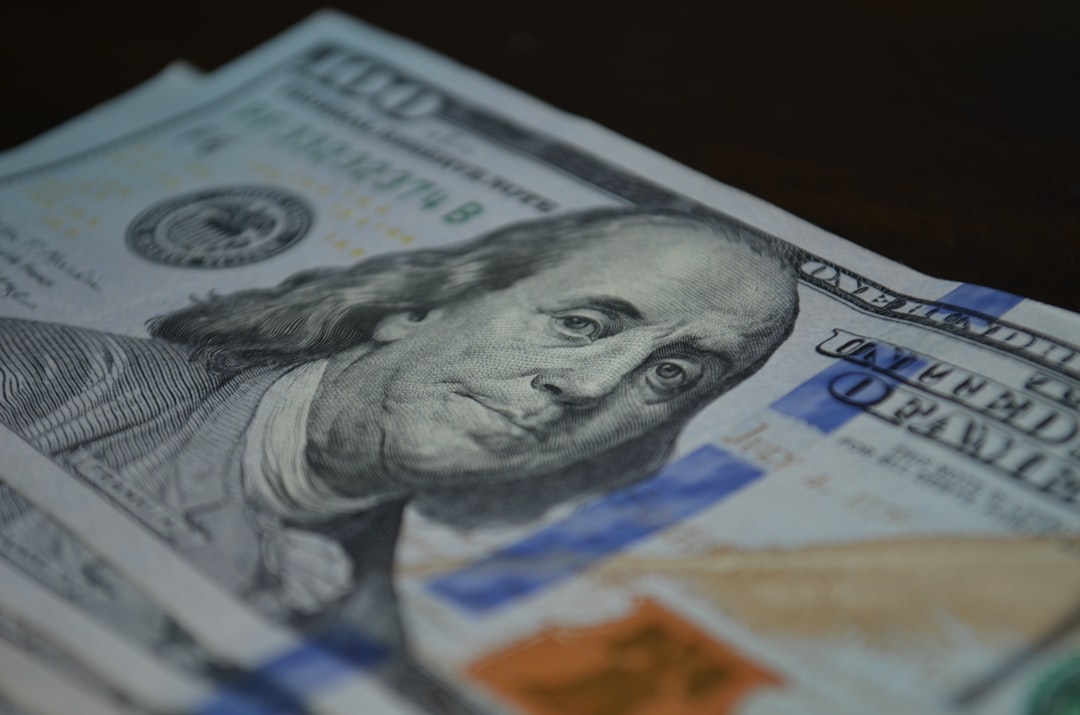
The timing is delicate. Berkshire has historically used cash as a strategic option that allowed it to seize opportunistic returns during periods of volatility or disruption. The current framework aims to preserve that flexibility while responding to a new environment where capital can be deployed with greater speed if conditions line up.
Analysts say the changes also reflect an ongoing balancing act between Buffett’s long-running ethos of patient capital and Abel’s mandate to translate that ethos into a more reactive, action-oriented approach. The market will be watching not only for big-ticket buys but for subtle shifts in how Berkshire allocates capital across existing holdings and new bets.
Investor reaction: assessing risk, reward, and timing
Stock markets have absorbed the shift with a mix of caution and curiosity. Berkshire’s shares traded in a narrow band as investors weighed the implications of a smaller cash reserve against the likelihood of more aggressive deployment down the line. The company’s insurance float remains a critical piece of the operating cushion, supporting a steady flow of capital that can underwrite new opportunities without forcing hasty calls in the market.

One recurring theme in reaction pieces is whether the cash adjustment will affect Berkshire’s ability to weather economic shocks or seize high-return investments in downturns. Proponents argue that a carefully scaled deployment plan under Abel can contribute to meaningful long-run gains, provided the opportunities meet Berkshire’s strict criteria for risk-adjusted returns. Critics worry that delays or missteps could dampen the company’s reputation for disciplined capital allocation.
Market survey data show investors are more interested in cadence than magnitude: how quickly Berkshire moves on compelling opportunities, how frequently it evaluates potential deals, and how it signals its intent to the market. The 373.3 billion end-of-year figure gives a concrete anchor for those calculations, but the real test will be execution over the next 12 to 24 months.
What to watch in 2026: milestones and decision points
The year ahead will be shaped by several key milestones. First, Berkshire’s annual report and shareholder meeting will provide clarity on the capital plan, governance, and the allocation framework that Abel intends to use as a guidepost for the next phase. Second, any new investments or divestitures will offer signals about sector preferences and the pace of deployment. Third, the stock’s trading environment—especially in relation to intrinsic value estimates—will influence whether buybacks gain momentum as a tool to unlock value.
Observers will also look for how Berkshire balances its portfolio alongside external macro factors, including inflation trajectories, interest rate expectations, and the broader appetite for large-scale acquisitions in sectors aligned with Berkshire’s strengths, such as energy infrastructure, consumer products, and financial services ecosystems.
Context: Buffett’s legacy and Abel’s emergence
Warren Buffett’s leadership defined a decade-spanning era of patient capital and opportunistic bets across diverse industries. As Abel steps into a more prominent role behind the scenes and potentially at the helm, his ability to translate long-term principles into timely actions will define Berkshire’s next chapter. The current cash dynamics are a reflection of a broader transition—one that tests how a modern value investor handles speed and scale in an era of rapid change.
Markets will closely watch how the company frames berkshire hathaway shrinks cash in the context of its overarching strategy. In the near term, the key question is simple: will the new guard demonstrate that the cash hoard was never a cage, but a springboard for disciplined, value-driven growth?
In the eyes of investors and rivals alike, the discussion around berkshire hathaway shrinks cash will likely shape how Berkshire positions itself for the next decade. The answer will come through deals, pacing, and the consistent application of a time-tested framework that values quality over speed, even as the stakes grow higher in a market that demands both caution and action.
Discussion