Introduction: Why talk about the best altcoins for long-term investment
If you want to grow wealth through crypto, you don’t have to chase the latest hype. The smart move is to focus on the best altcoins for long-term investment that offer real utility, solid development, and durable demand. This guide is written for readers who want a practical framework, not pie-in-the-sky promises. You’ll learn how to evaluate altcoins, what to own for a multi-year horizon, and concrete steps you can take today to build a resilient crypto portfolio.
Before we dive in, a quick reality check: altcoins can be volatile and risky. The long-term potential depends on clear use cases, developer activity, competitive positioning, and favorable market dynamics. With that in mind, let’s outline a framework you can trust and apply to your own research.
What makes an altcoin viable for long-term investing?
When evaluating the best altcoins for long-term investment, look for enduring fundamentals that aren’t just price momentum. Here are the pillars that separate durable projects from short-term fads:
- Clear use case and real-world demand
- Strong and active development community
- Sound tokenomics and a sane supply dynamic
- Robust security and network resilience
- Interoperability or scalable architecture
- Active ecosystem growth and partner adoption
- Regulatory readiness and risk controls
How to evaluate an altcoin’s long-term potential
Use a repeatable framework so you don’t get swept up by market noise. Here’s a practical checklist you can apply to any altcoin you’re considering for the long term:
- Use case and demand: Does the coin solve a real problem? Is there a clear path to adoption by developers, enterprises, or everyday users?
- Technology and security: Is the protocol secure, scalable, and forward-compatible with future needs? Are audits and security incentives in place?
- Team and governance: Who leads the project, and how transparent is governance when it comes to updates and changes?
- Tokenomics: What is the issuance rate, burn mechanisms, staking rewards, and maximum supply (if any)? How do these factors influence long-term value?
- Competition and moat: How does the project compare to peers? Does it have a defensible edge or a broad ecosystem moat?
- Adoption signals: Active developers, on-chain transactions, integrations, and real revenue or fee-generation are all signs of durable demand.
- Liquidity and market structure: Is there enough liquidity on major exchanges? Can you enter and exit positions without big slippage?
- Regulatory risk: Are there guardrails, KYC/AML compliance, and governance that reduce regulatory risk over time?
Top contenders: best altcoins for long-term investment (figures are illustrative and react to market conditions)
Below are commonly cited candidates that meet the long-term criteria above. This section isn’t investment advice; it’s a framework to compare fundamentals. Always verify current data from trusted sources before buying.
Ethereum (ETH)
Why it often sits at the top of the list: it’s the leading platform for smart contracts, DeFi, and NFTs with a broad ecosystem and continuous development. Its shift to proof-of-stake and ongoing scaling efforts (layer-2s and rollups) support higher throughput and lower costs over time. Long-term potential hinges on network effects, security, and developer velocity.
Key considerations for ETH as a long-hold asset: robust ecosystem, high liquidity, widespread institutional interest, and a clear upgrade path that increases efficiency and throughput. Risks include competition from other general-purpose chains and macro market volatility.
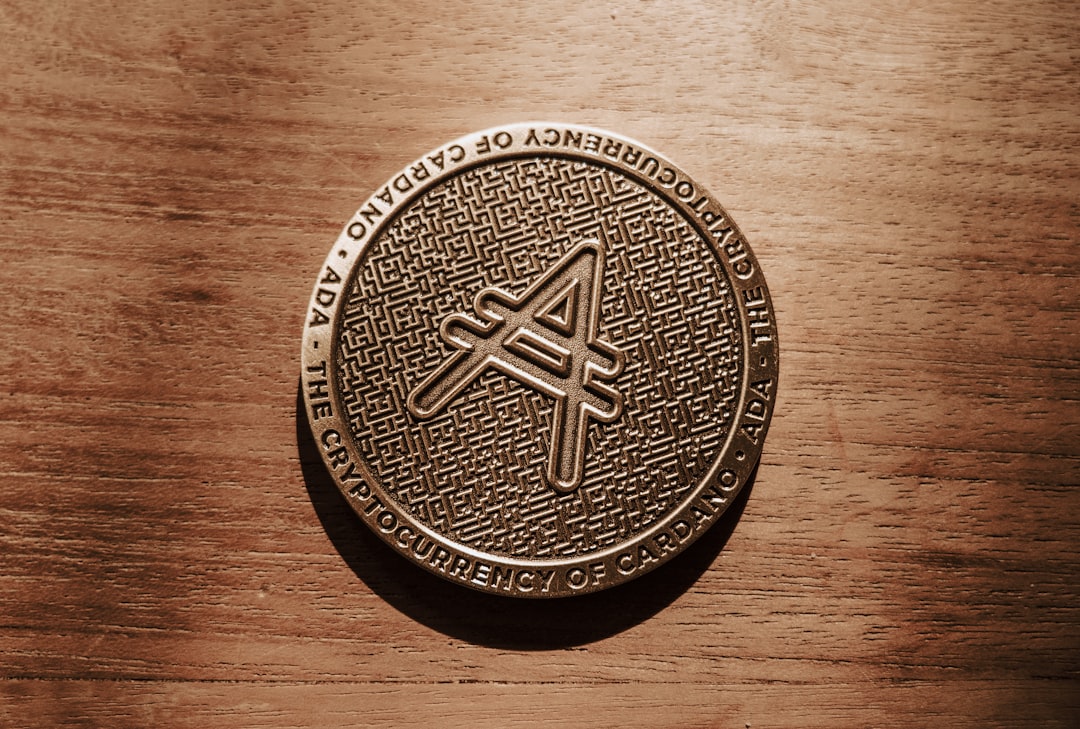
Cardano (ADA)
Cardano emphasizes formal methods, peer-reviewed research, and a staged rollout of features. Its long-term appeal lies in a measured approach to governance and scalability through layered architecture. Adoption in regions with active government or enterprise partnerships could create durable demand.
Important note: Cardano’s pace of development has been slower than some peers. For long-term investing, look for steady on-chain activity, growing ecosystem apps, and real-world pilots rather than fireworks headlines.
Solana (SOL)
Solana has touted high throughput and low transaction costs, backed by a strong developer community. It’s been tested by real-world usage, but it has faced network outages and governance questions. For the long term, SOL’s fate depends on network reliability, ecosystem diversification, and funding for sustainable growth.
Long-term considerations: liquidity on major exchanges, cross-chain interoperability, and ongoing security reviews. Risks include network interruptions and competition from other high-throughput chains.
Polkadot (DOT)
Polkadot focuses on blockchain interoperability and scalable cross-chain messaging. Its parachain model creates opportunities for diverse app-specific ecosystems, which can compound value if developers build interoperable use cases. Long-term appeal depends on adoption, governance stability, and ecosystem execution.
Key risk: competition from other interoperability projects and the complexity of parachain auctions and onboarding. If you like a modular, interoperable future, DOT may deserve a place in a long-term portfolio.
Polygon (MATIC) and Avalanche (AVAX)
Polygon offers scaling solutions for Ethereum and is widely used to reduce fees and improve throughput for dApps. Avalanche focuses on high throughput and low-latency finality with a strong emphasis on DeFi and enterprise use cases. Both have built ecosystems and ongoing partnerships that could support durable demand over years.
Long-term strategy: monitor expansion of rollups, security audits, and adoption metrics across dApps and institutions.
Other notable contenders with strong fundamentals
Beyond the names above, a few projects regularly appear in long-term analyses due to their network effects, staking models, or unique value props. These include Chainlink (LINK) for decentralized oracles, Cosmos (ATOM) for interoperability, and Tezos (XTZ) for on-chain governance. Each has a distinct risk/return profile, so treat them as complements rather than core bets.
Assessing risk and building a diversified long-term altcoin portfolio
Long-term investing in altcoins requires risk management and deliberate diversification. Here’s a practical plan you can start today.
- Set a dollar-cost averaging (DCA) schedule: Decide how much you’ll invest each month and stick to it, regardless of market swings. For a $10,000 starting portfolio, you might allocate 60% to core positions (ETH, a second blue-chip like ADA or DOT) and 40% to a basket of 3-4 high-potential alts (SOL, MATIC, AVAX, LINK).
- Limit exposure to any single coin: To mitigate idiosyncratic risk, avoid more than 40% of your crypto allocation in one project, and consider a cap per token often around 5-15% depending on risk tolerance.
- Staking and yield strategies: Some altcoins offer staking rewards that can improve long-term returns. But factor lock-up periods and liquidity risk into your plan. Example: ETH staking yields can range from 4% to 6% annually depending on network parameters.
- Rebalancing cadence: Review your portfolio quarterly and rebalance toward your target mix if one asset runs away in price or risk shifts. This helps maintain your long-term thesis.
- Security first: Use hardware wallets for storage, enable two-factor authentication on exchanges, and maintain offline backups of seed phrases. Security is a foundational requirement for long-termholding success.
Practical strategies: dollar-cost averaging, staking, and tax considerations
Implementing a disciplined approach helps you avoid emotional decisions. Here are concrete steps you can use:
: With a 6- to 12-month DCA plan, you’ll accumulate at varying price points, reducing the impact of volatility. For example, investing $1,000 per month for a year across ETH, ADA, SOL, and MATIC can yield a smoother cost basis than lump-sum buying. : If you stake ETH or other PoS tokens, estimate a conservative annual yield and reinvest rewards to compound your position. Be mindful of lock-up periods and penalties for early withdrawal. : Treat long-term capital gains as the benchmark for crypto trading. In the U.S., long-term gains (>1 year) typically receive favorable tax rates. Maintain records of purchases, lots, and wallet transfers for accurate reporting.
Where to buy altcoins for long-term investment
Choosing trusted venues matters for security, liquidity, and access to a broad set of assets. Start with well-established exchanges that offer robust security, insurance options, and reliable customer support. Examples include major global exchanges with a broad altcoin catalog. After buying, transfer the assets to a secure wallet for long-term storage.
Storage and security for long-term altcoin holdings
Long-term storage is about protecting private keys and seed phrases. Consider these best practices:
- Use a dedicated hardware wallet for core holdings
- Keep seed phrases offline on metal backups
- Store backups in multiple secure locations
- Enable device and account security with strong, unique passwords
FAQs: is it safe to invest in altcoins for the long term?
Investing in altcoins carries inherent risk, including price volatility, regulatory shifts, and technology risk. A long-term, well-researched approach with diversified holdings, proper risk controls, and secure storage can reduce some of these risks. Always use a clear investment thesis and avoid overconcentration in a single asset.
Conclusion: turning knowledge into a durable long-term strategy
The best altcoins for long-term investment are those with clear use cases, solid development, and a resilient ecosystem. By applying a disciplined framework—evaluate use case and tech, assess tokenomics and governance, monitor adoption signals, diversify sensibly, and manage risk with a robust security plan—you tilt the odds in favor of sustained growth. Ethereum remains a cornerstone for many long-term portfolios, while assets like Cardano, Solana, Polkadot, Polygon, and Avalanche offer complementary exposure to different layers of the crypto stack. Keep a core-holding mindset, use dollar-cost averaging, stake where appropriate, and protect your holdings with secure storage. With patience and persistence, you can build a resilient portfolio built around the best altcoins for long-term investment.
Key takeaways and quick references
- Focus on use cases, developer momentum, and tokenomics when selecting the best altcoins for long-term investment.
- Invest with a dollar-cost averaging plan and rebalance periodically to maintain your target allocation.
- Prioritize security: hardware wallets, offline backups, and strong authentication to protect long-term holdings.
- Stay informed about regulatory changes and ecosystem developments that affect long-term value creation.
Discussion