
Introduction: Why The Best Defense Industry Stock Deserves a Place in Your 2026 Portfolio
Investing during uncertain times can feel like navigating a stormy sea. Geopolitical frictions, evolving technology, and long-term defense commitments create a steady current beneath the waves: defense spending tends to hold up when broader markets wobble. For a practical, long-term investor, that resilience can translate into a compelling case for the best defense industry stock. In 2026, a thoughtful pick in this space can provide both capital appreciation potential and dependable income, backed by robust order backlogs and free-cash-flow generation.
In this guide, we’ll break down how to evaluate the best defense industry stock, why major contractors like Lockheed Martin, Northrop Grumman, RTX, and General Dynamics deserve attention, and how to assemble a balanced approach that avoids overconcentration in any one supplier. You’ll come away with concrete criteria, real-world examples, and practical steps you can take to position your portfolio for a defense-adjacent growth phase in 2026 and beyond.
Understanding The Landscape: What Makes The Defense Sector Unique
The defense industry sits at the intersection of politics, technology, and global security. Even with shifting administrations, certain dynamics persist: large, multiyear procurement programs; complex supply chains; and a need to deploy cutting-edge weapons, sensors, and networks. This combination creates a revenue pattern that is less sensitive to consumer cycles and more anchored to government budgets and program approvals.
For investors searching for the best defense industry stock, the key attributes to watch include a strong backlog, consistent free cash flow, diversified revenue sources, and a portfolio of high-demand platforms (aircraft, missiles, cybersecurity, and naval systems). These traits generally translate into steadier dividends and a more predictable earnings trajectory, which helps when markets swing on geopolitical headlines.
Why Lockheed Martin (LMT) Often Tops The List For The Best Defense Industry Stock
Among the big-name defense contractors, Lockheed Martin stands out for several reasons. First, its product breadth spans fighter jets, air and missile defense, and advanced technologies that cross into space and cyber domains. Second, its backlog has been substantial, providing revenue visibility well into the next several years. Third, LMT has a history of strong free cash flow, which supports dividends and buybacks—an important consideration for investors seeking income along with growth.
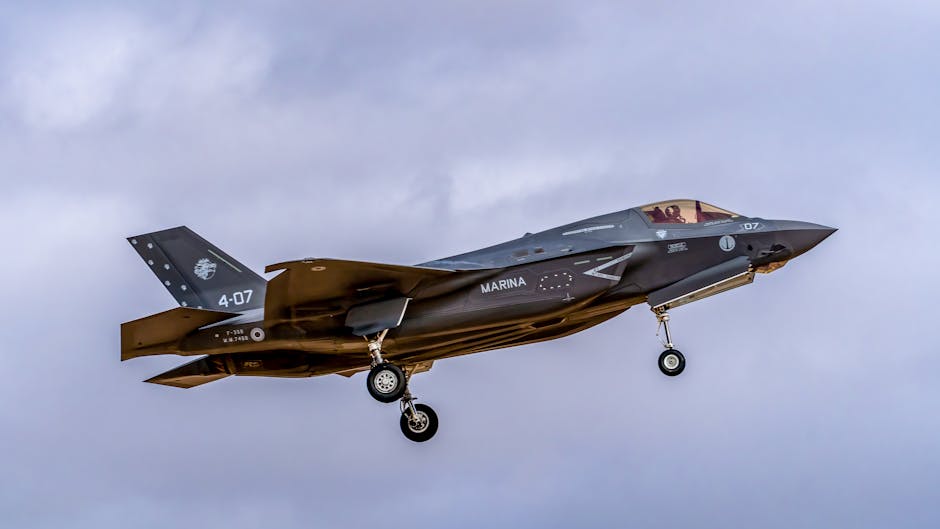
From a financial perspective, the company has historically posted solid operating margins and returns on invested capital, even as it invests in next-generation platforms. The balance sheet tends to be conservative enough to weather budget swings, yet flexible enough to fund innovation and international sales growth. While no stock is immune to macro shifts, LMT’s scale and mix of programs give it a defensible position in case of renewed geopolitical tensions or unexpected procurement surges.
Backlog, Cash Flow, And Growth: A Closer Look At LMT
Backlog is a telling gauge of future revenue. Lockheed Martin has historically reported a backlog that sits in the hundreds of billions, which creates a predictable revenue runway. In addition, the company’s free cash flow generation—cash remaining after capital expenditures—has supported attractive dividends and opportunistic repurchases. This combination is attractive to investors who want a defense stock that can both grow and return capital.
Crucially, LMT’s exposure to high-demand areas such as air defense, advanced air powers, and strategic missiles provides a diversified revenue engine. Even as competition in the global defense market intensifies, the company’s scale, integrated manufacturing capabilities, and long-standing relationships with government buyers help cushion against idiosyncratic shocks.
Beyond The Leader: Other High-Quality Players To Watch
While Lockheed Martin often takes the spotlight as a leading pick for the best defense industry stock, several other strong names deserve consideration for a diversified portfolio. Here are a few notable options, each with its own strengths:
- Northrop Grumman (NOC): A powerhouse in aerospace and defense technology, with robust exposures in aircraft, cyber, and space systems. NOC’s mix of commercial and government contracts provides a different risk/return profile compared to traditional air and missile programs.
- RTX Corporation (RTX): A major player in missiles, naval systems, and integrated defense solutions. RTX’s scale in propulsion and munitions makes it a crucial element of many defense modernization plans, though management has worked to streamline a sprawling portfolio.
- General Dynamics (GD): A diversified contractor with strong positions in submarines, armored vehicles, and information technology services for the armed forces. GD’s breadth can offer a steadier earnings profile when defense budgets shift across platforms.
- Huntington Ingalls Industries (HII): A leading naval shipbuilder with a backlog tied closely to shipbuilding programs and maintenance, a predictable, albeit niche, revenue stream within the defense mix.
How To Evaluate The Best Defense Industry Stock In 2026
Choosing the best defense industry stock requires a practical framework. Here are the core criteria to guide your analysis:

- Backlog And Revenue Visibility: A larger, longer backlog improves revenue predictability. Review the company’s latest annual report and management disclosures for backlog figures and program calendars.
- Free Cash Flow And Payouts: Check FCF yield and dividend stability. The best defense industry stock typically delivers a dependable dividend with room to grow even in lean years.
- Program Backdrop And Diversification: Consider exposure across platforms (air, land, sea, space, cyber). A diversified mix reduces concentration risk in a single program or country.
- International And Domestic Orders: International sales can buffer U.S.-centric cycles. Look for a growing international footprint and long-term defense partnerships.
- Valuation And Growth Catalysts: Compare P/E, EV/EBITDA, and growth trajectories against peers. Catalysts may include new weapon systems, updated platforms, or international defense deals.
Real-World Scenarios: What Could Drive Returns In 2026
Consider a few practical scenarios that could lift the value of the best defense industry stock in 2026:
- Budget Stability Or Expansion: If defense budgets remain steady or increase, contractors with strong pipelines may see improved earnings visibility and better pricing power.
- Modernization Push: Upgrades to air defense networks, missiles, and space systems create durable demand for established players with integrated capabilities.
- International Demand Growth: Allies seeking strategic autonomy may drive orders beyond traditional customers, broadening revenue sources.
- Efficiency And Shareholder Returns: Companies that convert backlog into cash faster and maintain disciplined capital allocation often outperform in the long run.
Risks To Consider When Investing In The Best Defense Industry Stock
No investment is risk-free, and defense stocks come with unique challenges. Here are the top risk factors to keep in mind:
- Budget Volatility: Government budgets can shift with elections or policy changes. Even well-established programs can be paused or re-scoped, affecting revenue visibility.
- Geopolitical Shifts: A de-escalation of tensions can reduce near-term orders for certain platforms, particularly missiles and high-end air systems.
- Export Controls And Regulation: International sales depend on regulatory approvals and political relations, which can complicate growth in some regions.
- Competition And Pricing: Global competitors and changing procurement practices can pressure margins, especially in commoditized defense segments.
Building A Practical 2026 Strategy: How To Use This Guide
Here’s a simple, actionable plan to implement the ideas in this guide about the best defense industry stock:
- Define Your Core Allocation: Decide how much of your portfolio you want exposed to defense stocks. A typical range might be 3-7% for a balanced account, depending on risk tolerance.
- Choose A Primary And Secondary Picks: Pick one primary stock (for example, Lockheed Martin as the best defense industry stock) and 1-2 supplementary names (such as NOC and GD) to diversify across platforms and segments.
- Set A Cash-Flow Driven Target: Establish a rule for reinvesting cash from dividends and buybacks. A simple target can be to reinvest 60-70% of dividends while using 30-40% for opportunistic buying during dips.
- Monitor Backlog And Execution: Review quarterly backlog changes and program execution. A sudden backlog decline could signal risk, while steady or increasing backlog supports upside potential.
- Keep An Eye On Valuation: Compare forward P/E and EV/EBITDA to peers. If the multiple expands on optimism without a commensurate increase in backlog or cash flow, reassess.
Frequently Asked Questions
Q1: What is the best defense industry stock for a new investor in 2026?
A practical starting point is Lockheed Martin (LMT) due to its diversified platform mix, robust backlog, and strong cash flow. However, a diversified approach that also includes Northrop Grumman (NOC) and General Dynamics (GD) can reduce single-name risk while capturing broad defense trends.
Q2: How do I evaluate the best defense industry stock beyond headlines?
Focus on backlog visibility, free cash flow yield, dividend sustainability, and platform diversification. Compare programs (air, missile, naval, space), international orders, and management's track record on cost control and capital allocation.
Q3: What are the main risks to defense stocks in 2026?
Key risks include budget volatility, potential de-escalation of conflicts, export-control hurdles, and competitive pressure on margins. It’s wise to assess your exposure to these risks and consider hedging with non-defense assets or other sectors with stable cash flow.
Q4: Should I consider a defense ETF or stick with individual stocks?
Both can work. A defense ETF offers instant diversification across multiple contractors, reducing single-name risk. Individual stocks let you tilt toward a preferred leader (like the best defense industry stock for your criteria) and tailor a dividend or growth profile to your goals.
Conclusion: The Best Defense Industry Stock As A Core 2026 Holding
In a world where geopolitics and technology drive persistent demand for defense products, a well-chosen defense stock can deliver both resilience and upside. The best defense industry stock combines a strong backlog, solid free cash flow, and a diversified product slate with credible growth catalysts. Lockheed Martin often sits at the top of the list thanks to its scale, program breadth, and proven capital discipline, but the space is wide enough for a thoughtful, diversified approach that includes other major contractors like Northrop Grumman and General Dynamics. By focusing on backlog, cash flow, and program diversity, you can build a robust 2026 position that helps weather uncertainty and capture long-term growth in a sector with steady demand.
Discussion