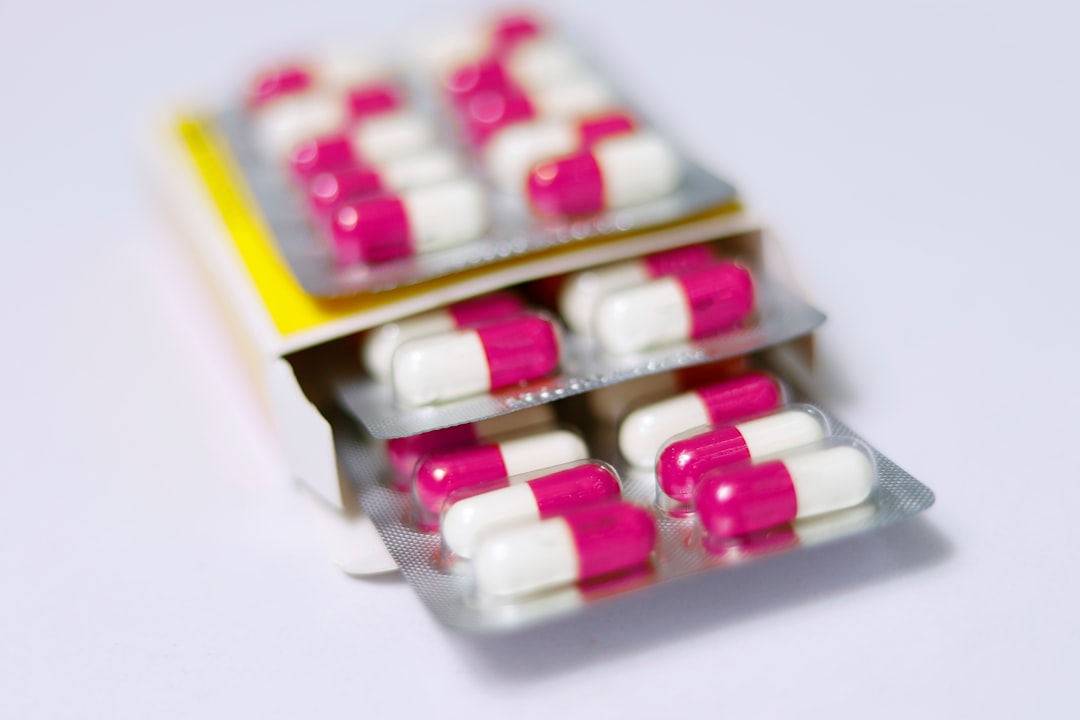
Hooked By A Weight-Loss Revolution: Why 2026 Matters For Investors
In recent years, a new class of medicines has grabbed headlines and reshaped how people think about weight management. GLP-1 and related therapies, pioneered by a few large pharmaceutical companies, have delivered meaningful reductions in weight for many patients who struggled for years. For investors, this shift creates a splashy, potentially durable trend that could lift certain stock names for years to come. If you’ve been wondering what the best weight loss drug stock plays look like in 2026, you’re not alone. This guide lays out practical, decision-ready paths to participate in this megatrend—without overpaying or taking on unneeded risk.
What Makes The Best Weight Loss Drug Stocks Stand Out
Two core factors determine whether a weight loss drug stock qualifies as a compelling long‑term holding:
- Pipeline Momentum — Does the company have a durable GLP-1 or obesity-related program that could extend growth beyond a single drug?
- Commercial Scale — Is the company already delivering meaningful sales, or does it have a clear path to profitability as its drugs expand in the market?
Beyond the two giants—Novo Nordisk and Eli Lilly—the landscape includes companies with strong pipelines or strategic partnerships, as well as diversified healthcare firms that could benefit from payer shifts and expanding obesity treatment coverage. When evaluating the best weight loss drug investments, look for those with a track record of execution, disciplined capital management, and transparent regulatory milestones.
Direct Equity Plays: Novo Nordisk And Eli Lilly
Two giants dominate the public conversation about the weight loss drug category. Both are well-known for their obesity franchises, but they approach growth differently. Here’s a balanced view of what each offers in 2026.
Novo Nordisk (NVO): The Original Market Leader
Novo Nordisk launched Wegovy, a semaglutide-based therapy, and built a global distribution network that became a backbone for obesity management. The company’s scale, manufacturing footprint, and payer negotiations provide a steady anchor for investors who want exposure to GLP-1 driven growth. However, supply constraints or manufacturing bottlenecks can momentarily slow growth, creating tactical buying opportunities for patient holders.
- Why NVO matters in 2026: It remains a proven, high-margin bio-pharma platform with a broad obesity portfolio and adjunct diabetes therapies that reinforce its financial resilience.
- Key risks: Production capacity constraints, competition from tirzepatide-focused rivals, and payer pressure on pricing could temper near-term momentum.
- What to watch: Any updates on manufacturing capacity expansion, new label expansions for Wegovy, or pipeline progress in obesity-related indications.
Eli Lilly (LLY): Rapid Growth From A Competitive GLP-1 Portfolio
Lilly has built a powerhouse through tirzepatide-based therapies, with Mounjaro and Zepbound driving outsized sales growth. In many periods, Lilly’s GLP-1 franchise has shown faster top-line expansion than its competitors, aided by broad obesity indications and stronger early demand dynamics in some markets. As with any single-drug focus, the stock’s performance often mirrors pipeline progress and payer acceptance.
- Why LLY matters in 2026: A robust GLP-1 portfolio provides optionality beyond a single product cycle. Lilly’s pipeline could yield additional indications or improved formulations that sustain growth.
- Key risks: Competitive pressure from other GLP-1 programs, potential safety concerns, and reimbursement hurdles could influence long-run sales trajectory.
- What to watch: Any regulatory milestones for new combinations, label expansions, or international market approvals.
Beyond The Giants: Other Ways To Play In 2026
Direct exposure to the two market leaders is not the only path. Here are additional ways investors can participate in the weight loss drug trend without relying solely on a single name.
Diversified Biotechnology And Healthcare Exposure
Many broad-healthcare and biotech funds carry exposure to GLP-1 programs, obesity initiatives, and metabolic diseases. If you prefer less stock-specific risk, consider dedicating a portion of your portfolio to well‑diversified funds that balance growth with quality checks. The goal is to capture the secular tailwinds around obesity treatment while avoiding overconcentration in any one company.
- Pros: Smoother earnings volatility and exposure to multiple assets, pipelines, and regulatory timelines.
- Cons: Less upside if a single GLP-1 product dominates the market, and higher expense ratios in some funds.
Specialty And Early‑Stage Pathways
Some investors look for early-stage biotech firms or strategic partnerships that could benefit from GLP-1 research. These opportunities can offer outsized gains if a program progresses to late-stage trials or a major collaboration is announced. The catch is higher risk and longer timelines. If you pursue this path, use strict position sizing and set clear exit triggers for underperforming trials.
How To Evaluate The Best Weight Loss Drug Stocks For Your Portfolio
Finding the best weight loss drug stock to buy isn’t just about chasing headlines. Use a simple framework to assess the risk-reward profile of each candidate:
- Pipeline Maturity — Are there upcoming milestones (trial results, label expansions, regulatory decisions) within 12–24 months?
- Commercial Traction — Is there meaningful revenue today, and is it growing at a sustainable pace?
- Gross Margin And Cash Flow — Is the company generating solid gross margins and a path to positive free cash flow as it scales?
- Competitive Landscape — How does the company’s program compare to peers in efficacy, safety, and cost?
- Regulatory And Payer Dynamics — Are there payer-facing hurdles that could delay adoption or shrink pricing?
Investment Scenarios For 2026: How To Position For Different Outcomes
Markets rarely move in a straight line. Think about how you would react to key catalysts, then build a flexible plan. Here are three practical scenarios and what they could mean for the best weight loss drug stock picks.
- Base Case: Steady growth in GLP-1 franchises with gradual margin expansion. Expect modest pullbacks after quarterly updates, but long-run earnings trend higher as the obesity market broadens.
- Bull Case: A major trial result or regulatory approval unlocks a faster-than-expected expansion (new indications or international launches). Stocks with multiple GLP-1 assets could outperform.
- Bear Case: Payer resistance or safety concerns dampen uptake, forcing a re-pricing of expectations. In this scenario, quality balance sheets and diversified pipelines become critical.
Practical, Real-World Steps To Build Your 2026 Weight Loss Drug Investment Plan
Whether you’re new to stock picking or a seasoned investor, here are concrete actions you can take this year to build a disciplined portfolio focused on the best weight loss drug opportunities.
- Set a Clear Allocation: Decide how much your total equity sleeve will dedicate to obesity/GLP-1 exposure. A thoughtful range might be 3–10% of a growth-focused portfolio, adjusted for risk tolerance.
- Define Entry Rules: Base buys on pullbacks after disappointing news or on planned milestone dates. Use trailing stops to cap downside and avoid emotional decisions.
- Monitor Key Data Points: Track trial readouts, manufacturing updates, and payer coverage announcements. In this space, data drives moves faster than in many other sectors.
- Budget For Volatility: Expect swings from clinical results, regulatory headlines, and competitive news. Have a cash reserve to avoid forced selling during downturns.
- Consider A Core-Satellite Approach: A core position in a leading name (like NVO or LLY) plus satellite exposure to high-conviction bids in smaller firms or thematic ETFs can balance risk and upside.
Practical Examples: How An Investor Might Build A 2026 Position
Let’s walk through a hypothetical, but practical, framework you can apply. This isn't financial advice, but it illustrates how to translate the idea of the best weight loss drug stocks into a structured plan.
Open a position in Novo Nordisk (NVO) as a foundational bet on the GLP-1 trend. Allocate roughly 60–70% of your obesity-themed sleeve to NVO if your risk budget allows. Add Eli Lilly (LLY) to capture a different growth trajectory within the same space. Allocate 20–30% here. If you have extra bandwidth, place small bets (1–2% each) on diversified healthcare exposure or specific small-cap GLP-1 programs with transparent milestones. Maintain strict risk controls.
Common Pitfalls To Avoid
Investing in the weight loss drug space offers exciting upside, but it also comes with notable risks. Here are a few to keep on your radar:
- Overconcentration: Relying too heavily on a single company can backfire if supply issues or regulatory hurdles arise.
- Pricing And Reimbursement: Payer dynamics can erode margins or slow uptake, especially in markets with tight price controls.
- Clinical And Regulatory Risk: Negative trial results or unexpected safety concerns can trigger swift valuation reversals.
FAQ: The Most-Asked Questions About The Best Weight Loss Drug Stocks
Q1: What exactly is a GLP-1 drug, and why does it affect stock prices?
A GLP-1 drug mimics a natural gut hormone that helps regulate appetite and insulin release. When these drugs show strong weight loss or metabolic benefits, drugmakers can capture large patient populations, expand indications, and improve investor sentiment. Rising demand and sales growth can support higher stock prices, while setbacks—like safety concerns or supply issues—can push shares lower.
Q2: How should a beginner approach investing in the best weight loss drug stocks?
Start with a small, diversified core position in established leaders (like NVO or LLY) and add exposure gradually as you learn. Use a plan with defined milestones, avoid chasing hype, and keep a predetermined exit strategy for each name to manage risk.
Q3: What are the biggest risks in this space?
Key risks include manufacturing bottlenecks, payer resistance reducing price realization, and competitive pressure as more GLP-1 programs enter the market. Regulatory changes and trial results can cause rapid moves, so maintain a disciplined approach and a diversified mix of holdings.
Q4: Are ETFs a good alternative to individual stocks for this theme?
Yes, for investors seeking broader exposure with lower single-name risk. Look for healthcare or biotech funds that have meaningful GLP-1 or obesity exposure, and compare expense ratios and liquidity before investing.
Conclusion: The Path To The Best Weight Loss Drug Stock Portfolio In 2026
The weight loss drug wave represents both opportunity and risk. By anchoring your strategy to core, proven players while maintaining a thoughtful tail of diversification, you can participate in a transformative trend without becoming overly exposed to any one name. The best weight loss drug stock picks for 2026 will likely revolve around a mix of dominant franchises, expanding pipelines, and disciplined capital decisions. Stay patient, stay informed, and keep your eye on milestones—because the next big update could push a stock higher for months to come.
Discussion