Hooking the Reader: Why This Topic Matters to New Crypto Investors
Jumping into cryptocurrency can feel like stepping onto a fast-moving escalator. Prices swing, headlines shout, and it’s easy to chase the latest hype. If you want a solid start, focus on larger, more established coins. For many beginners, two names dominate the conversation: Bitcoin (BTC) and XRP. Each coin serves different purposes and carries distinct levels of risk, which matters once you start building a real-world plan. This guide is written for those who want to become better crypto investors: bitcoin is not just a buzzword here—it's a steady anchor for a beginner’s portfolio. Consider how BTC and XRP fit your goals, risk tolerance, and time horizon so you can invest with confidence.
Bitcoin vs XRP: What They Are and How They Work
Bitcoin and XRP started for different reasons, and those origins shape how they behave in markets today. Bitcoin was designed as a decentralized digital currency and a store of value—a way to keep wealth outside traditional banks. XRP, built by Ripple Labs, focuses on fast, low-cost cross-border payments and settlement between financial institutions. For a new investor, the practical implications are clear: BTC offers broad liquidity and a long track record; XRP offers speed and utility in payments but with higher regulatory and network-structure risk.
Bitcoin: The Quiet Giant of Crypto
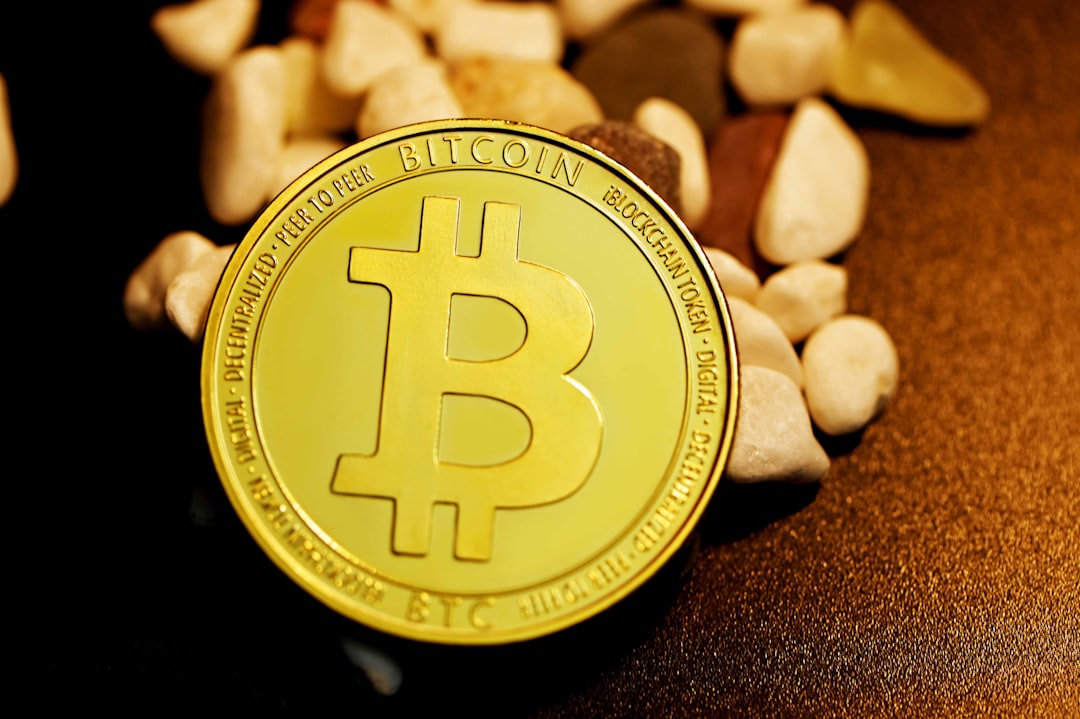
Bitcoin is the oldest and most widely recognized cryptocurrency. It has the largest market capitalization, the deepest liquidity, and the most number of fintech and financial services integrations. Its supply is capped at 21 million coins, a feature that creates scarcity and has historically supported price appreciation over long horizons. For new investors, Bitcoin’s advantages include:
- High liquidity means easy entry and exit almost anywhere.
- Proven resilience: Bitcoin has survived multiple market cycles and major shakeouts.
- Strong ecosystem: Exchanges, wallets, and custodial services are highly developed.
On the risk side, BTC is volatile—prices can swing widely in short periods—and it faces debates about energy usage and regulatory scrutiny. Still, its role as a benchmark in crypto markets makes it a useful anchor for beginners who want a simple, scalable starting point.
XRP: Fast Transactions With Different Risks
XRP is designed to settle payments quickly across borders, often in a matter of seconds, with fees that are typically lower than traditional networks. This makes XRP appealing for banks and payment processors, and it explains why XRP has maintained a top-five position by market cap for much of its history. However, XRP’s value is tied not just to technology but to the ability of a regulatory framework to support its use in financial systems. Its distinctive points include:
- Speed and cost: XRP’s settlement model aims at near-instant cross-border payments.
- Industry use: Adoption hinges on banks and payment networks choosing XRP-based rails.
- Regulatory exposure: The legal environment around XRP has shaped price behavior and investor sentiment in recent years.
For a new investor, XRP’s profile offers potential upside but also meaningful risk. The technology is real, but regulatory and market dynamics can create sharper price moves than BTC over shorter periods.
Risk Profiles: How the Two Coins Compare for Beginners
Understanding risk helps you decide how to allocate capital and how long you stay in the market. Here are the key contrasts that matter for new investors:

- Volatility: Bitcoin tends to move in big, visible cycles that reflect macro trends in crypto, while XRP can be more sensitive to regulatory news and settlement outcomes.
- Regulatory Risk: BTC faces regulatory attention, but its decentralized nature makes it harder to target. XRP’s centralized design and legal status have historically produced sharper price swings tied to court decisions and policy shifts.
- Liquidity and Access: BTC is the most liquid crypto asset on major exchanges, which lowers trading frictions for beginners. XRP also enjoys good liquidity but can see dips tied to legal developments.
- Use Case Stability: Bitcoin’s use as a store of value and its security model offer a stable narrative. XRP’s utility depends on adoption by financial institutions, which can be variable and slower to materialize.
For the average new investor, a cautious approach is prudent. Start with the coin that offers the most straightforward path to money you can access and understand, then slowly introduce a second asset to test how you respond to different market shocks.
Getting Started: A Simple Plan for Better Crypto Investors
Whether you’re aiming for long-term growth or a more cautious growth-with-lume approach, the starting steps are consistent across strategies. The key is to be deliberate, not impulsive. Here’s a practical, beginner-friendly plan you can implement this month.
- Set a small, fixed investment schedule: Dollar-cost averaging (DCA) reduces the impact of volatility. For example, commit to investing $150 per month into BTC and an optional $60 into XRP for the first six months.
- Choose a reputable exchange and wallet: Start with a major exchange that offers insured accounts and two-factor authentication, then move most of your coins to a hardware wallet for long-term storage.
- Define a risk budget: Decide how much of your overall investable assets you are willing to expose to crypto and set a stop if prices move against you beyond a set percentage (e.g., 20% for an initial position).
- Track basic indicators: For BTC, watch price in relation to the 200-day moving average as a rough gauge of trend. For XRP, monitor regulatory headlines and volume on major exchanges to gauge participation.
- Document your plan and review quarterly: If you’re a beginner, a written plan helps you stay disciplined as emotions rise during bull and bear markets.
As you start, you’ll hear the phrase better crypto investors: bitcoin echoed by advisors who emphasize long-term holding and disciplined risk management. This mindset isn’t about predicting every move; it’s about creating a framework you can stick to during volatility.
Building a Practical Allocation: A Sample Start Point
Allocation decisions should reflect your time horizon, risk tolerance, and financial goals. Here’s a concrete example a beginner could adapt. The numbers assume a $5,000 crypto budget for the first year. You can scale up or down depending on your situation.
60-70% of crypto budget. Example: $3,000 forward-looking anchor. Rationale: liquidity, broad acceptance, and a longer track record make BTC the most established base layer for a beginner’s portfolio. 30-40% of crypto budget. Example: $1,500. Rationale: potential for faster settlement and utility, balanced with regulatory risk and market volatility.
With this split, you’re leaning on BTC as a stabilizing core while giving yourself room to learn how XRP behaves in response to news and adoption curves. If your budget permits, you can gradually tilt toward BTC as you gain confidence and experience.
Practical Scenarios: Real-World Paths for New Investors
Let’s walk through two typical profiles to illustrate how a beginner might approach BTC and XRP as a learning exercise.
Alice, the Early-Career Saver
Alice is 28 and saving for long-term goals. She wants growth, but she also wants to learn risk management. Her plan is straightforward: set a monthly auto-buy of $100 into BTC and a smaller $40 into XRP for six months. If BTC falls 15% from her average entry price, she adds another $40 to BTC to lower her cost basis. If XRP spikes on a regulatory headline, she doesn’t panic; she sticks to her strategy and may add only if the price stabilizes after the event. This approach embodies the principle that better crypto investors: bitcoin can serve as the reliable backbone while XRP offers learning opportunities with measured exposure.
Ben, the College Student Exploring Side Hustles
Ben is 21 and wants to experiment with crypto while paying tuition. He uses a small portion of his emergency fund and dedicates $25 per week to BTC via a platform that offers automatic recurring purchases. He avoids margins and exotic tokens, focusing on understanding how market cycles affect BTC. He keeps XRP on a watchlist to monitor whether cross-border payment use cases gain traction. Ben’s plan shows that a beginner can participate with discipline, even on a tight budget, and gradually increase exposure as confidence grows.
Common Pitfalls New Investors Should Avoid
- Chasing hype: Don’t buy because of a FOMO moment or a viral post. Do your own research and stick to your plan.
- Overconcentration: Putting most or all of your crypto budget into a single asset, especially a volatile altcoin, can backfire during downturns.
- Ignoring security basics: Use strong, unique passwords, enable two-factor authentication, and store most holdings in hardware wallets when possible.
- Trading on emotion: Set rules and stick to them, including exit points and timeline expectations.
Education and Stewardship: Staying on the Right Side of Regulation
Crypto regulation is evolving, and staying informed is part of being a responsible investor. For beginners, this means following credible sources, understanding how regulatory developments can impact prices, and recognizing that crypto markets are still relatively young compared with traditional assets. The long-term viability of better crypto investors: bitcoin often hinges on sound governance, security improvements, and transparent market practices. As you learn, you’ll become better at separating narrative from fundamentals and making decisions grounded in data rather than headlines.
Putting It All Together: Your Actionable Roadmap
- Define your crypto goal and risk tolerance in writing. Include a maximum loss threshold per position.
- Choose BTC as your core position, with a measured allocation to XRP or another asset you understand.
- Set up automatic purchases and a hardware wallet for long-term storage.
- Review monthly: track performance, emotions, and whether you’re sticking to your plan.
- Update your plan quarterly based on experience and changes in your financial picture.
Conclusion: A Steady Path Toward Better Crypto Investors
Becoming a mindful, disciplined investor starts with choosing the right starting point. Bitcoin offers strength in liquidity, security, and a broad ecosystem, while XRP provides a pathway to learn about payments technology and regulatory dynamics. By prioritizing BTC as the anchor and testing the waters with XRP or similar assets, new investors can build experience without overexposing themselves to risk. Remember, the goal of a beginner’s plan is not to chase immediate gains but to cultivate a framework that works over time. With a steady pace, clear rules, and a commitment to learning, you can move toward a well-balanced portfolio and a more confident approach to crypto investing. And if you’re asking yourself how to phrase your strategy aloud—think of it as turning into a better crypto investors: bitcoin-minded investor who maintains discipline, patience, and curiosity.

FAQ
- Q1: What is the main difference between Bitcoin and XRP?
- A1: Bitcoin is a decentralized digital store of value and payment network with broad liquidity. XRP is designed for fast, low-cost cross-border payments between financial institutions and relies on a more centralized network structure, which brings different risk factors and regulatory considerations.
- Q2: Is XRP safe to invest in for beginners?
- A2: XRP can offer meaningful upside, but it carries higher regulatory and market-specific risk. Beginners should limit exposure, diversify within a simple plan, and avoid large bets on a single asset.
- Q3: How much should a new investor allocate to crypto?
- A3: For beginners, financial experts often recommend starting with 1-5% of a diversified portfolio. Within crypto, a practical split might be 60-70% BTC and 30-40% XRP or other altcoins, adjusted to your risk tolerance and goals.
- Q4: What is dollar-cost averaging, and why use it?
- A4: Dollar-cost averaging means investing a fixed amount regularly, regardless of price. It reduces the impact of volatility and helps you avoid trying to time the market, which is especially valuable for beginners.

Discussion