Introduction: Why Meme Coins Matter, And How To Think About Them
Meme coins have a reputation for drama and volatility, yet they routinely attract millions of dollars in new money during hype cycles. For every cautious investor, there’s a thrill-seeker chasing the next viral token. The truth is simpler and more practical: meme coins are speculative bets with social momentum. If you’re considering dipping your toes into this segment, two tokens often pop up in conversations: Dogecoin, the original meme coin, and Pepe, a newer token that surged into attention in 2023. This article compares the two in plain English, highlighting what to watch, how to measure risk, and practical steps you can take to decide if one could be a meaningful addition to a small-cap crypto plan.
What Exactly Is A Meme Coin, And Why Do They Attract Investors?
A meme coin is a cryptocurrency born from internet culture, often with little to no formal business use beyond community engagement and liquidity on exchanges. Unlike blue-chip cryptos that fund infrastructure or offer real-world services, meme coins rely on social enthusiasm, viral moments, and niche communities to sustain interest. The upside can be dramatic—think of rapid, double- or triple-digit gains in days—paired with downside that can wipe out a large chunk of a small investment just as quickly. This is why the layperson’s guide to meme coins emphasizes risk management, not wild speculation.
Two factors consistently differentiate the serious exploration of meme coins from reckless gambling. First, liquidity matters: you want a token with broad exchange support and decent trading volume. Second, community resilience: a loyal base that keeps discussions, memes, and liquidity active during drawdown, not just during pumps. With those guardrails, it’s possible to view meme coins through a more measured lens.
Dogecoin: The Original Meme Coin That Still Packs A Punch
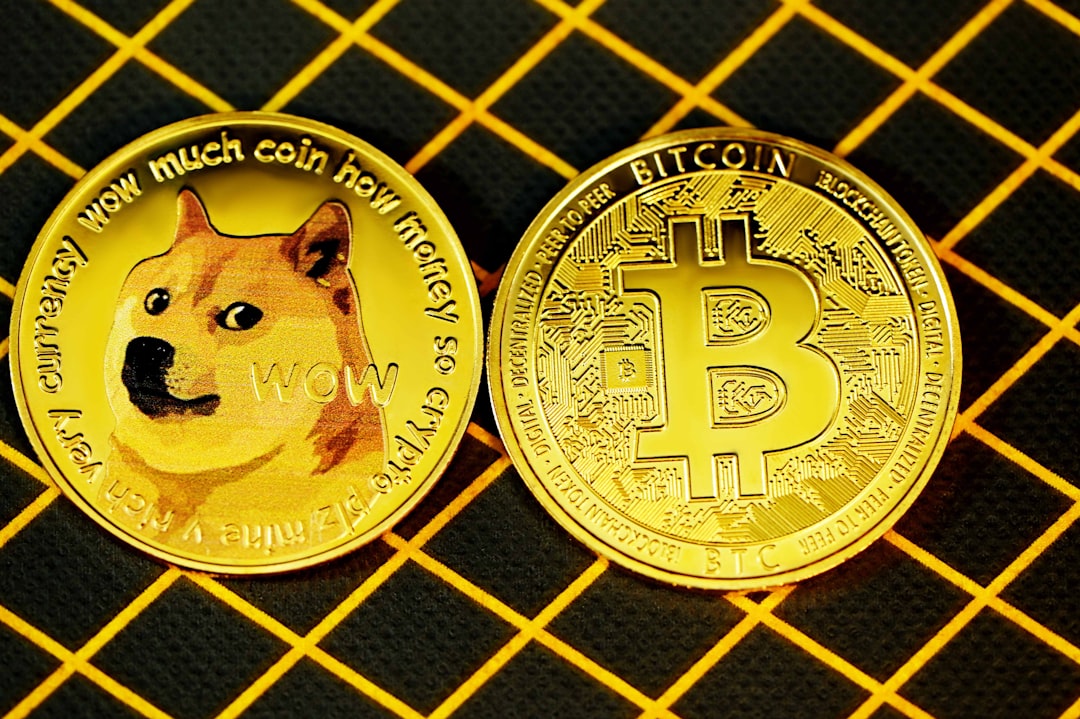
Dogecoin (CRYPTO: DOGE) began life in 2013 as a lighthearted joke built on the Shiba Inu meme. It wasn’t designed to disrupt finance; it was designed to be friendly, accessible, and easy to use for tipping online or donating to causes. Over the years, Dogecoin became an outlier in the crypto space: a currency with unlimited supply, a vibrant community, and real-world usage that occasionally attracted mainstream attention. Here are the core realities you should know about Dogecoin today:
- Supply: Unlike many cryptos, Dogecoin does not have a fixed cap. New coins enter circulation regularly, which sustains inflationary pressure over the long term but also sustains ongoing liquidity and a broad base of miners, wallets, and merchants who accept DOGE.
- Liquidity and coverage: DOGE typically enjoys high liquidity on major exchanges and is frequently included in wallets and payment rails that support meme-driven ecosystems. This matters for anyone considering a quick entry or exit during volatile periods.
- Use cases and momentum: The token’s strongest asset is social momentum—tips, charitable donations, and occasional retailer acceptance drive visibility more than a formal product roadmap. That momentum can translate into price action when social media or culture shifts push demand higher.
From a practical investor’s point of view, Dogecoin’s long-standing presence, broad recognition, and established liquidity make it a natural anchor in a meme-coin strategy. Still, it’s essential to separate hype from value and to track how the community’s energy translates into sustainable demand. For many, Dogecoin also serves as a gateway token—the first step into crypto that makes the idea feel approachable and approachable enough to consider diversifying into other meme assets.
Pepe: The Newcomer With A Growth Surge And Its Own Set Of Risks
Pepe (CRYPTO: PEPE) arrived on the scene in 2023 and quickly became a talking point among traders who chase the next viral token. Built as an ERC-20 token, Pepe drew momentum from a dedicated meme culture and the broader appetite for meme coins that can ride social media waves. Here’s what to know:
- Supply and economics: Pepe’s supply patterns are part of what created hype. Like many meme tokens, it launched with a large (often sprawling) supply and a market-cap that can swing wildly with social sentiment. The vast supply can help with liquidity, but it also means the price per token can remain low even as demand grows, making big percentage moves possible on relatively small dollar amounts.
- Exchange presence: PEPE has appeared on several decentralized exchanges and some centralized venues during peak hype. Liquidity depth varies by platform, and liquidity can dry up quickly if a project loses community interest.
- Use cases, if any: Most Pepe discussions center on market momentum, brand recognition, and community rituals rather than on a concrete product or real-world utility. This is typical for meme tokens, and it’s precisely why risk controls matter for investors considering PEPE.
Pepe’s track record since its surge has shown how quickly meme-driven assets can rise on social sentiment, only to retreat when attention fades or when liquidity pools experience a shift. For a new investor, Pepe offers a case study in how a meme token can carve out a moment in the market but also demonstrates why diversification and position-sizing are crucial when you’re dealing with assets that exist mostly on hype and memes.
Side-By-Side Comparison: What Makes A Meme Coin Truly “Better”?
When people talk about a “better meme coin,” they aren’t just using a catchy phrase. They’re weighing tangible factors that can influence whether a token holds value during a dip or a drawdown. Here are the most important dimensions to compare between Dogecoin and Pepe:
- Liquidity and trading volume: In practice, higher and more stable liquidity reduces the odds of large price gaps when you enter or exit a position. Dogecoin generally leads here because of longer track record and broader exchange coverage.
- Community resilience: A robust, enduring community can keep narrative momentum alive during market downturns. Dogecoin’s community has proven durable, while Pepe’s momentum has shown bursts of intensity and inconsistent engagement.
- Use cases and adoption: Dogecoin benefits from tipping culture and merchant interest; Pepe relies more on social momentum and meme dynamics. A true “better meme coin” often offers some practical use beyond pure speculation, even if that use is small or niche.
- Risk of dilution or supply shocks: Tokens with unlimited or large future supply can experience dilution that weighs on price. Dogecoin’s ongoing issuance is well-understood; Pepe’s supply trajectories can be more volatile to market hype.
- Developer and exchange activity: Ongoing development and broad exchange support create a healthier environment for liquidity and potential listing updates. Dogecoin benefits from broader ecosystem support; Pepe’s development cadence has varied with community sentiment.
From a practical angle, many casual investors lean toward the token with unquestionable liquidity and a long, steady presence. That often translates into a broader tolerance for maneuvering in and out, which reduces the practical friction of owning a meme coin in a small portfolio. In this sense, many observers still view Dogecoin as the more reliable anchor when evaluating the idea of a better meme coin: dogecoin, as a concept, versus the newer peers.
Real-World Scenarios: What Investors Should Learn From The Past
History is a better teacher than theoretical charts when it comes to meme coins. Consider a few practical scenarios that illustrate how the dynamics of Dogecoin and Pepe have played out in real markets:
- Scenario A — Dogecoin price surge driven by social sentiment: In 2021, a wave of social chatter, influencer mentions, and meme culture alignment propelled DOGE higher. Investors who bought during a dip and sold into the peak captured meaningful gains, but those who chased late often endured pronounced retracements. The lesson: momentum can drive fast gains, but timing is hard and risk management is essential.
- Scenario B — Pepe’s rapid hype cycle and liquidity swings: PEPE saw bursts of attention that created rapid price moves in short windows. Traders who timed entries near the crest of hype sometimes benefited, yet many were forced to navigate sharp declines when hype faded or when liquidity pressure emerged. The takeaway: hype can create liquidity liquidity but also rapid reversals; preparedness matters.
- Scenario C — Long-run stability versus viral spikes: A meme token can become a small, persistent ecosystem if it maintains a steady stream of memes, community-led events, and occasional sponsorships. That kind of ongoing energy often translates into less dramatic, more durable performance than a one-off pump tied to a single tweet.
In guided portfolios, these scenarios translate into practical steps: limit exposure to any single meme token, confirm liquidity is solid, and avoid chasing headlines. If your goal is the better meme coin: dogecoin, you’ll want to watch for two things: consistent exchange coverage and a community that remains active beyond a single social moment.
How To Decide If A Meme Coin Belongs In Your Portfolio
Investing in meme coins isn’t about predicting a business model or regulatory breakthrough. It’s about recognizing risk tolerance, liquidity, and the possibility of meaningful upside alongside the chance of wiping out a portion of your stake. Here’s a practical framework you can use to decide if a token belongs in your portfolio—and which one could be the better meme coin for your personal plan:
Decide how much of your crypto exposure you’re willing to devote to meme assets. A common starting point for many conservative portfolios is 1-3% of total crypto exposure, with a cap of 5% across all meme coins. Check 24-hour trading volume and the number of credible exchanges listing the token. If you can’t exit quickly on a bad day, the asset may not be suitable for a small portfolio. Look for a vibrant forum presence, meme cadence, and events that keep engagement alive beyond pump cycles. A stale project is a warning sign. Is there a use case in tipping, charity, or micro-payments that can sustain interest? If not, you’re relying almost entirely on social momentum, which is fragile during broad market downturns. Before you buy, decide at what price you’ll take profits or cut losses. A simple plan might be to exit half on a 2x gain and limit losses to 40% from your entry, adjusted for how volatile the token is.
For many readers, the decision rests on whether you want a more established meme coin with a governance-friendly ecosystem and higher liquidity (the classic case is the better meme coin: dogecoin when compared to newer, less proven tokens). If you lean toward trying a newer meme token with outsized hype, treading carefully and calibrating position sizes is essential to avoid letting sentiment control outcomes.
Putting It All Together: A Practical Plan For Your Small Portfolio
If you’re building a small crypto plan and want to incorporate the meme coin concept responsibly, here’s a concise, actionable blueprint you can adapt. It emphasizes the idea behind the phrase better meme coin: dogecoin as a benchmark, while allowing room for a speculative tilt toward Pepe if it fits your risk tolerance.

Allocate 2% of your total investment portfolio to meme coins. Use a stable, reputable exchange with strong security and clear customer protections. If you’re new, consider getting exposure to DOGE first because of liquidity and broad acceptance. Buy in small tranches (e.g., 25% of your meme-coin allotment) to ease into volatility. If you still want to explore a high-volatility meme token after DOGE, use only a fraction of your meme allocation (e.g., 25% of the meme-coin allotment) and set strict exit rules that protect the bulk of your capital. Rebalance every 3-6 months or after major moves. Don’t let hype decide your buys; use a pre-defined plan and stick to it. Keep the rest of your crypto exposure in higher-education assets like large-cap coins with proven liquidity and real-world use cases to avoid concentrating risk in a single theme.
In practice, this plan helps you maintain control while still allowing for the possibility of outsized moves that meme coins can provide. The key is to use logic, not emotion, and to remember that the idea of a better meme coin is ultimately about balancing entertainment with evidence-based risk management.
Frequently Asked Questions
Q1: Are meme coins like Dogecoin or Pepe good long-term investments?
A1: Meme coins carry high risk and high volatility. They’re generally not backed by cash flows or strong fundamentals, so expectations should be modest. Use them as a small speculative slice of your overall portfolio and avoid tying financial outcomes to memes alone.
Q2: What makes a token a “better meme coin” in practice?
A2: In practice, a better meme coin balances liquidity, a durable community, and enough exchange coverage to allow easy entry and exit. It’s not about a perfect product but about resilience and the ability to withstand hype cycles without collapsing in a matter of days.
Q3: How should I manage risk when investing in meme coins?
A3: Use diversification, set explicit position limits (for example, 1-2% of your portfolio for any single meme coin), implement stop-loss or target-price rules, and regularly review sentiment and liquidity trends. Never invest money you can’t afford to lose.
Q4: Is there a real-world use case for Dogecoin or Pepe beyond tipping?
A4: The real-world utility of meme coins tends to be lightweight and cultural rather than business-scale. Dogecoin has benefited from tipping and some merchant acceptance, while Pepe’s value largely rides on community engagement and speculative interest. Use cases, when present, support the narrative but rarely sustain price growth alone.
Conclusion: The Takeaway For Your Portfolio
In the ever-shifting world of meme coins, the question of which token is better hinges on your goals, risk tolerance, and time horizon. If you’re looking for a relatively established anchor with broad liquidity and a loyal community, Dogecoin offers a practical route to participate in meme-driven markets without surrendering too much control to hype alone. Pepe, with its high-speed momentum, can deliver eye-catching moves, but those moves come with outsized risk and frequent volatility that can erase gains just as quickly as they appear.
Ultimately, many investors find value in using the lens of a better meme coin: dogecoin as a baseline while exploring opportunities in other meme assets only after implementing strict risk controls and clear exit strategies. Treat meme coins as a playful, speculative asset class within a disciplined framework—one that acknowledges both the entertainment value of memes and the real need for prudent capital management. If you approach it that way, meme coins can be a memorable, educational part of a diversified strategy rather than a reckless gamble.
Discussion