
Market Event Triggers Sharp Moves Across Bitcoin And Miners
In a single session this past Friday, bitcoin faced a stern test as it slipped below the $60,000 threshold, hitting a daily low near $59,073 before settling around $61,032. The day marked a roughly 4% decline from the prior close of $63,806. The price action underscored how quickly sentiment can shift in a market still reacting to macro headlines and regulatory chatter.
Concurrently, the CoinShares Valkyrie Bitcoin Miners ETF, known by the ticker WGMI, opened at $69.36 and finished the session at $61.59, a staggering 11.2% drop. The move painted a clear picture: miners tend to amplify the spot bitcoin moves, turning a 4% daily swing into a double-digit pullback for their own shares.
WGMI And The Miner Basket Under Strain
The weakness was not isolated to one company; Riot Platforms (RIOT) ended down about 10% at $24.66, while MARA (MARA) and CleanSpark (CLSK) also traded weaker. CleanSpark held up relatively better, thanks to its broader pivot into AI and high-performance computing, but still contributed to the overall sector weakness.
Viewed through the lens of correlation, WGMI’s decline tracks a familiar pattern: a bitcoin price move in the mid-single digits tends to produce miner losses in the double digits. The miners’ exposure to spot BTC is amplified by their cost structure — electricity, maintenance, and capital expenditure — which do not retreat as quickly as the cryptocurrency price when markets turn risk-off.
Why Miners Tend To Move More Than The Coin
Miners operate with tight margins that hinge on hashprice — the revenue earned per unit of hashing power. When bitcoin’s price falls, hashprice shrinks while fixed costs stay roughly constant, compressing margins and forcing miners to scale back production or burn cash on energy bills. Since last year’s halving, many miners produce roughly half the bitcoin per unit of hashrate compared with pre-halving levels, further heightening sensitivity to bitcoin’s price.
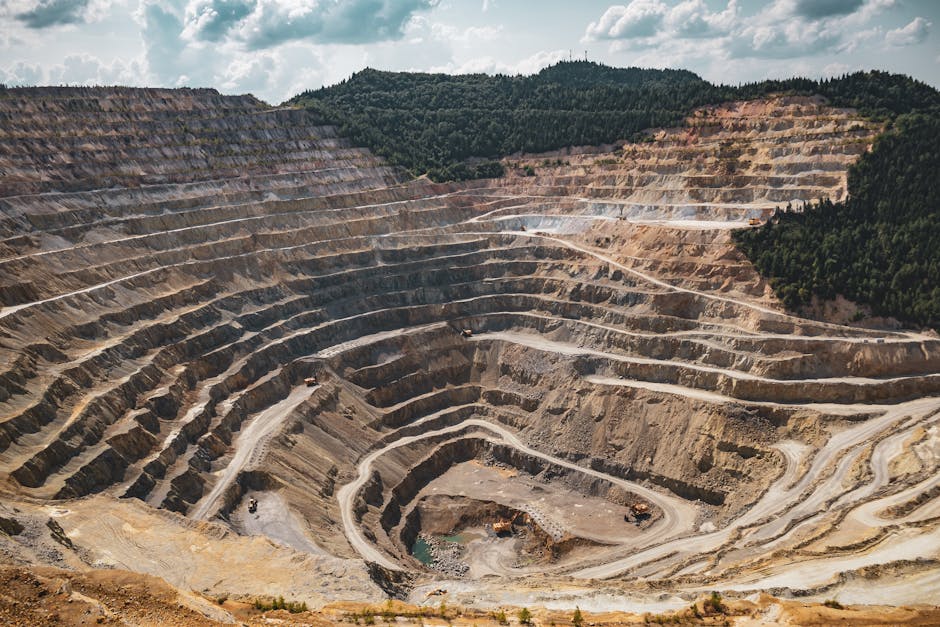
On Friday, the mathematics of leverage was on full display. A roughly 4% drop in bitcoin translated into a materially larger decline for the miners' equities, and WGMI’s decline echoed that amplified risk. The chart of the day showed bitcoin’s price action leading and miners following, but with more severity in both direction and pace.
Market Reactions And Expert Color
Market observers highlighted a few recurring themes that help explain the Friday move:
- Liquidity gaps intensified selling pressure as the session progressed, with miners reacting to bitcoin’s move and rising energy and capex costs during a volatile period.
- Hashprice dynamics suggest that even small bitcoin drops can be disproportionately painful for the most levered miners, especially those operating at the edge of profitability.
- The sector’s sensitivity to macro risk-off signals amplified the price impact on WGMI components as investors repositioned for a softer crypto cycle.
“Friday’s action isn’t just about bitcoin; it’s about the fragility and resiliency of the mining business model when market conditions tighten,” said Jane Park, senior analyst at CryptoWatch Research. “The industry’s leverage means price shocks reverberate quickly through equity prices.”
Tom Reeves, chief market strategist at MinerMetrics, added: “Hashprice compression is the key driver here. When BTC slips, the revenue per hash rate contracts, and the most leveraged miners feel the squeeze first.”
Context: The Broader Crypto Market And Sector Outlook
The Friday move comes amid a broader risk-off tone across digital assets. Traders cited ongoing regulatory debates, evolving adoption narratives, and macro headwinds as contributing factors to a cautious mood. While some bulls point to improving hashprice potential if bitcoin stabilizes, others warn that a protracted slowdown in spot demand could keep miners under pressure well into the next earnings season.
For investors, the episode serves as a reminder that the bitcoin mining group is a high-beta proxy for the crypto cycle. The same dynamics that help miners surge during a bitcoin rally can hasten losses when prices retreat, particularly for funds with concentrated holdings in the sector.
What This Means For Investors
- High-beta risk profile: WGMI and similar products frequently magnify bitcoin moves, offering amplified upside and downside relative to the crypto itself.
- Leverage and margins: The sector’s margins are highly sensitive to hashprice changes, especially in a rapid price swing scenario like Friday’s session.
- Management strategies: Investors should watch how miners manage energy costs, capex commitments, and any diversification into AI or HPC workloads that can alter the margin mix.
- Liquidity considerations: Miner ETFs can swing sharply in thin markets, making timing and order type important for entrants and exits.
What Comes Next: Investors Should Watch
As the week unfolds, market participants will focus on bitcoin’s ability to recover above $60K and the miners’ response to any bounce. Key watchpoints include updated hashprice metrics, miners’ guidance on production and capex, and regulatory developments that could influence miners’ cost structures or access to capital.
Traders may turn to hedging strategies to manage risk, including diversified exposure beyond pure-play miners and selective allocations to more resilient segments of the crypto ecosystem. The next few weeks could reveal whether the Friday setback was a temporary pullback or the beginning of a deeper retrenchment in the mining space.
Bottom line: bitcoin’s friday plunge below the $60,000 mark exposed the mining sector’s vulnerability to price shocks, reminding investors that leverage in the WGMI basket can magnify moves and test portfolios in ways the spot market alone cannot.
Discussion