Market Backdrop: Banks Split on the Auto Future
The latest Bank of America notes spotlight a divergent view of where transportation profits will come from in the next few years. One covers Tesla as an emerging autonomous mobility platform, while the other sees General Motors profiting from trucks and SUVs even as electric-vehicle momentum tightens its grip on the broader market.
As investors weigh macro forces—higher interest rates, supply-chain normalization, and a shifting subsidy landscape—the BofA research team splits the bets. The bank keeps both names in focus, citing radically different profit engines and timelines for scale. The underlying theme: the auto sector is transitioning along two parallel paths, not a single universal script.
Tesla Autonomy Thesis Drives the Bull Case
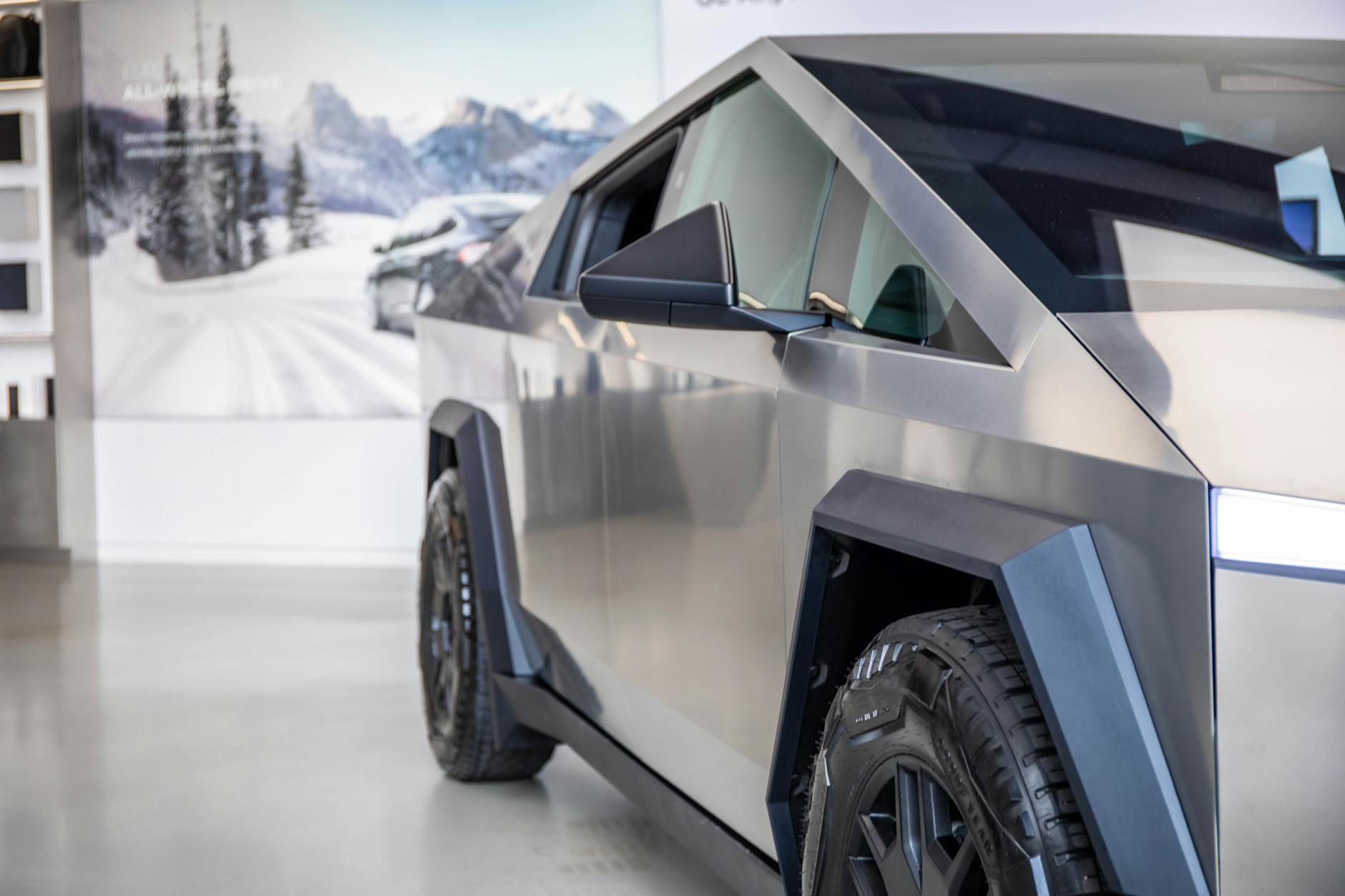
Bank of America argues that Tesla’s long-running emphasis on software, robotics, and fleet economics is maturing into a true autonomy-led business model. Instead of viewing Tesla as merely an automaker, the note positions the company as a mobility platform operator that could monetize robotaxi networks, software updates, and vehicle-as-a-service offerings.
Key numbers cited by the analysts include a higher price target and an optimistic growth scenario, grounded in revenue streams beyond traditional vehicle sales. The bull case projects meaningful scale for autonomous ride-hailing, with capacity to convert millions of vehicles into mobility assets as robotaxi fleets expand in urban markets.
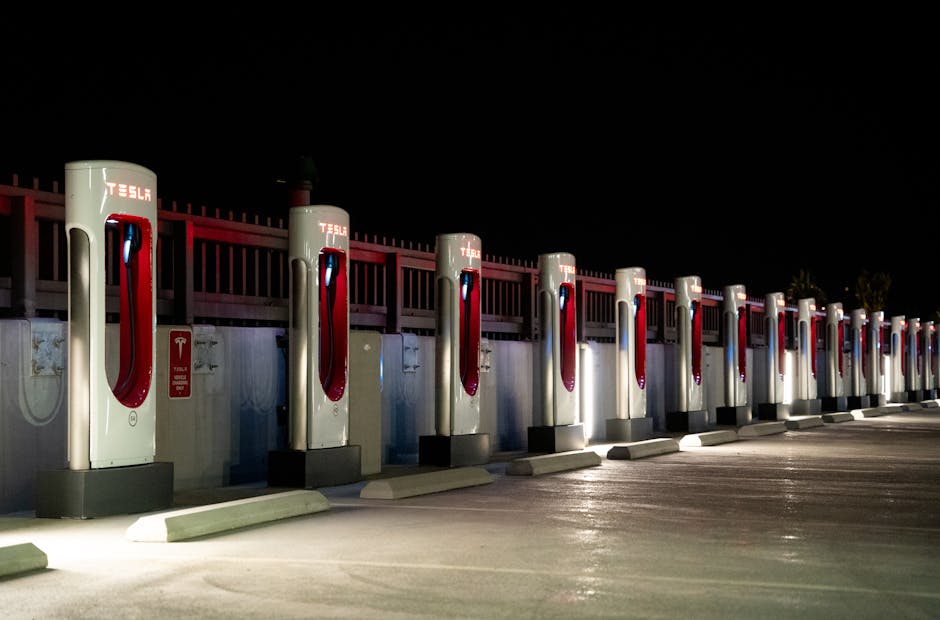
On the financial side, the bank highlights Tesla’s improving gross margins and an expanding contribution from recurring software and services. The note emphasizes efficiency gains in parts and manufacturing, alongside fringe benefits from a growing supercharger network and energy services ecosystem. The resulting multiples imply a robust view of value creation that extends beyond a single model cycle.
GM’s Truck-Based Profit Engine Still Appealing
In contrast, the GM thesis centers on traditional profit engines—high-margin trucks and SUVs with an efficiency tilt that remains resilient even as EV familiarity grows. The bank suggests that GM can maintain healthy cash flow and margin discipline by leaning into popular body styles, durable demand, and a manufacturing footprint calibrated for scale.
The GM case also factors in cost discipline, a steady stream of new truck and SUV updates, and incremental electrification that does not derail the core profitability of the franchise. Where Tesla’s bets hinge on software and autonomy breakthroughs, GM’s edge rests on a proven, widely loved product mix and a large, cost-efficient production network.
Data Snapshot: What the Note Says
- Tesla: target price around $480, with a bullish view on autonomy-led earnings growth
- GM: target price near $110, driven by truck/SUV profitability and an EV transition that preserves margins
- Forward valuation: Tesla’s implied growth path vs. GM’s steady cash generation
- Market share cues: Tesla’s admit of autonomy-ready software stack; GM’s leadership in trucks and SUVs
- Strategic themes: autonomous mobility platforms vs. traditional ICE franchises
What Investors Should Watch
Two critical questions frame the debate: (1) Can Tesla turn autonomy into a sustainable, high-margin revenue stream that redefines the customer lifecycle? and (2) Will GM’s truck-centric approach sustain profitability as EV competition intensifies and demand shifts toward more affordable, compact EVs?
For Tesla, the path hinges on execution in robotaxi services, fleet utilization, and regulatory approvals that allow scalable mobility networks. The Bank of America note suggests an accelerating cadence for robotaxi deployments, with regulatory pilots expanding to more states and cities in 2026 and beyond. For GM, the focus is on maintaining pricing power in trucks and SUVs while gradually electrifying the lineup without eroding the engine of profitability.
Strategic Implications for the Auto Landscape
What happens next could redefine who leads on long-term returns. If Tesla successfully monetizes autonomy at scale, the company might pivot toward an asset-light model that leverages software, data, and platform economics. A mature robotaxi ecosystem could unlock new revenue streams and alter vehicle depreciation dynamics as fleets become the backbone of service delivery.
GM, meanwhile, could strengthen its resilience by blending high-margin trucks with a measured electric transition. The strategy would rely on maintaining supply-chain efficiency, leveraging global manufacturing capacity, and deploying electrified variants that preserve the best attributes of the current truck platform.
Risks and Considerations
Both theses carry meaningful risk. Tesla’s autonomy ambitions face regulatory, safety, and network-scale hurdles that could delay monetization or compress margins. GM’s model risks a harsher EV pricing environment if battery costs do not fall as quickly as hoped or if competition intensifies in traditional segments.
Additionally, macro factors such as the pace of interest-rate normalization, subsidies, and exchange-rate headwinds can influence consumer demand for both premium software-enabled offerings and mainstream trucks. The note underlines that outcomes depend on execution, policy evolution, and the ability to translate engineering prowess into durable earnings.
tesla general motors: bofa — The Framing That Moves Markets
The inclusion of the exact phrase tesla general motors: bofa echoes a broader market narrative where analysts frame competing visions in a single discourse. Bank of America’s two-pronged view shows that the same sector can offer both disruptive upside and resilient cash flow depending on which business model hits scale first. For traders and long-term investors alike, the takeaway is clear: the auto era is not a monolith, and the most profitable path may depend on which strategic lane captures momentum first.
Bottom Line: How to Read the Street’s Dual Call
As 2026 unfolds, investors should monitor how autonomy pilots mature, how software ecosystems monetize, and how GM adapts its product mix to a changing competitive landscape. The two splits—Tesla as a software-powered mobility company vs. GM as a traditional vehicle powerhouse with an electrified edge—illustrate the market’s evolving yardstick for value in autos.
For now, the Bank of America notes emphasize two converging themes: the enduring appeal of trucks and SUVs for profitability, and the potential for software-defined mobility to unlock new margins. The coming quarters will reveal which thesis best translates into real-world returns, and which company lands the bigger, steadier prize.
About the Focus: tesla general motors: bofa
In short form, the market is watching how the two leaders navigate opposite end of the auto spectrum. Whether autonomy unlocks a new revenue layer for Tesla or GM’s traditional strengths sustain a different profitability arc, the debate is forcing both firms to accelerate their strategic bets. As always, investors should stay disciplined, diversify exposure, and align positions with a measured risk tolerance.

Discussion