Introduction: The AI Wave Faces Its Hidden Constraint
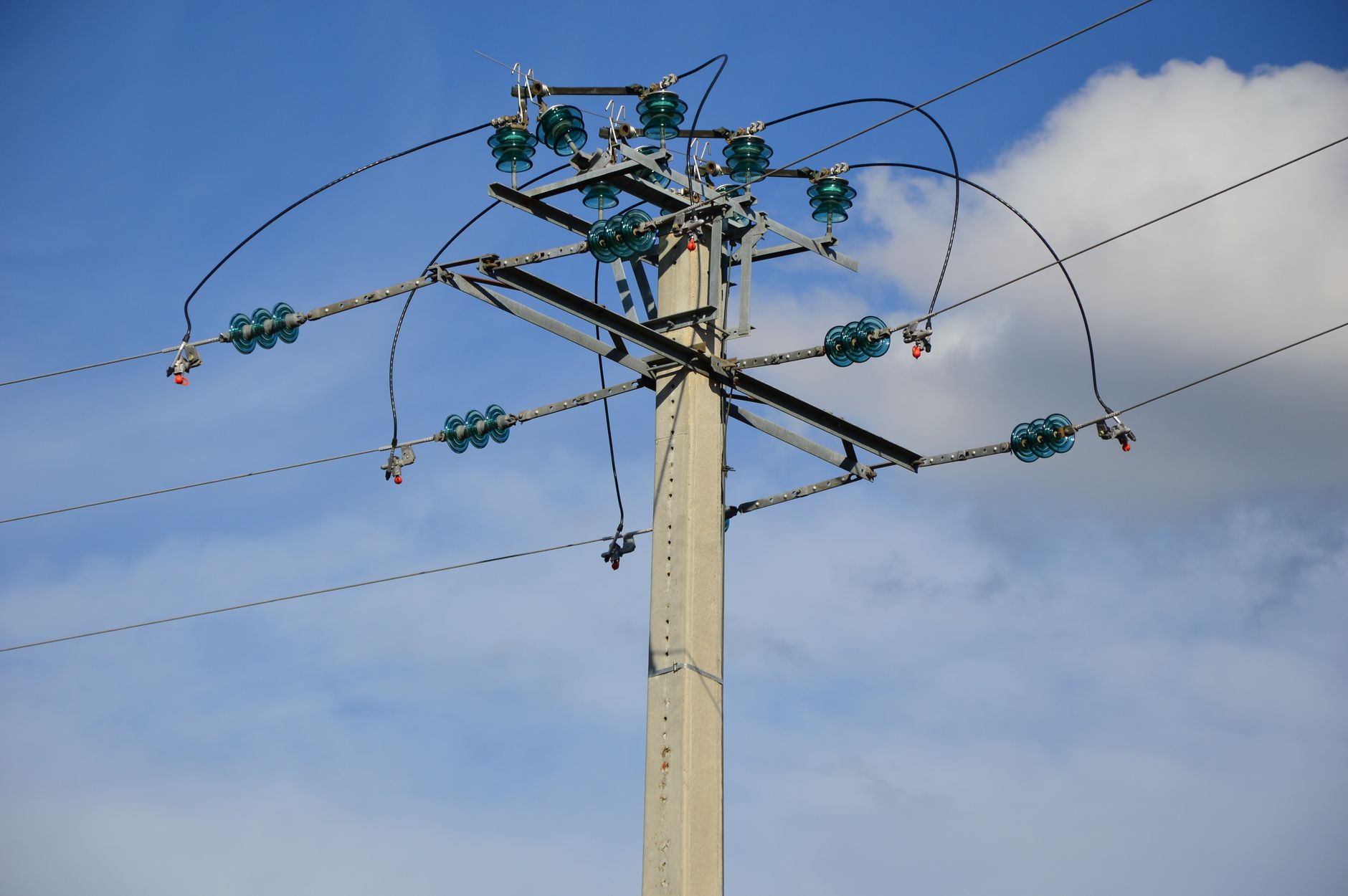
The race to scale artificial intelligence (AI) compute is accelerating. In the past year, major players have poured dollars into data center capacity, chip design, and edge infrastructure. But there’s a quiet, stubborn constraint creeping into investor models and boardroom plans: the electricity that powers every server, cooling system, and battery backup. In stock talk, we’re seeing the boom's next bottleneck electricity emerge as a pivotal factor behind AI expansion. When the grid can’t keep up, even the best AI platforms sit on a shelf waiting for power.
Industry bets point toward a future where your favorite hyperscalers, startups, and data center parks must coordinate with power networks the way they coordinate with fiber optics today. One forecast from a major chip designer talked about enabling more than 20 gigawatts of AI compute capacity through 2028, with an initial funding tranche of tens of billions of dollars. That kind of demand doesn’t just stress circuits and transformers; it requires planning for interconnections, long permitting cycles, and a steady supply of equipment to build new power plants and backups. The result is a clear and present bottleneck: boom's next bottleneck electricity, the grid itself.
Why Electricity Is the Real Bottleneck Behind AI's Growth
Think of AI as a power-hungry athlete. The faster you train models, the more kilowatts you burn. The grid, not the silicon, becomes the speed limit. Here are the key reasons this bottleneck matters:
- Interconnection Queues Drag On. Data-center projects routinely run into queue waits for grid connections that can stretch from 12 to 48 months in some regions. A campus needing 100–200 megawatts of power may face a multi-year calendar just to line up a reliable connection, not counting the time to build new substations or transmission lines.
- Equipment Shortages Slow the Build-Out. The demand for power transformers, switchgear, and advanced cooling systems has outpaced production. When capacity is tight, developers pay premium prices and wait longer for delivery, delaying AI deployments even if the software stack is ready.
- Grid Resiliency and Decarbonization Drive Up Costs. The push to reduce carbon emissions means more energy storage, emissions control, and grid services. All of these require new hardware and software layers that connect data centers to the broader grid, adding complexity and cost.
In this context, three stocks stand out for investors who want exposure to the grid-aware side of AI infrastructure. They aren’t the only players, but they offer a mix of on-site generation, grid-scale solutions, and energy services that could help smooth the bottleneck and unlock pipeline capacity.
Three Stocks Positioned to Power the Build-Out
Below are three companies with distinct approaches to solving the electricity bottleneck for AI growth. Each leverages a different piece of the power system—from on-site generation to grid-scale assets to retail and storage services—to help data centers and utilities handle bigger workloads.
Bloom Energy (BE): On-Site Power and Microgrids for Edge and Hyperscale
Bloom Energy focuses on reliable, cleaner power at or near the point of use. Its solid-oxide fuel cell technology can run on natural gas or hydrogen and can be deployed as microgrids for data centers, campuses, or industrial sites. The upside for AI infrastructure is clear: on-site generation reduces dependence on distant transmission lines, lowers latency in power delivery, and provides critical backup during grid outages. In an era of rising interconnection costs and aging grid infrastructure, microgrids act as a financial hedge for large power users who must maintain uptime.
Real-world angles for BE investors include:
- Edge-Ready Power options that shorten the time from project kickoff to energy delivery, which matters as AI workloads move closer to the edge and require agile power solutions.
- Storage and Hydrogen Potential as a path to zero-emission back-up energy, aligning with sustainability mandates and potential policy tailwinds.
- Contractual Diversity with long-term energy services agreements that can provide steadier revenue streams even when chip demand is volatile.
GE Vernova (GEV): Grid-Scale Solutions and Digital Grid Services
GE Vernova is the combined energy business from GE’s spin-out, with an emphasis on grid-scale generation, storage, and the software tools that help grid operators balance supply and demand. The core story here is resilience: as AI demands rise, utilities and data centers need reliable, adaptable power that can ride through peak load, supply interruptions, or renewables intermittency. GEV’s portfolio spans gas turbines, wind and solar integration, and energy-storage systems, all tied together by digital control platforms that optimize when and how power flows to critical facilities.
Why GEV could be attractive in this theme:
- Grid Modernization Tie-ins with utility projects that aim to replace aging infrastructure while incorporating more storage and flexible generation.
- Software-Defined Grids that help operators integrate AI-driven demand response and predictive maintenance, which keeps servers running during spikes in energy use.
- Scale and Diversification across generation, storage, and transmission assets, reducing single-point risk while capturing multiple revenue streams.
Vistra (VST): Integrated Generation, Storage, and Energy Services
Vistra operates as a vertically integrated energy company with a mix of generation assets, retail energy services, and increasingly, energy storage. In the AI power story, Vistra can offer flexible capacity and innovative storage solutions to data centers and campuses that need reliable power with fast ramp capability. Its diversified generation mix, including low- to zero-emission options, positions it to participate in both traditional energy markets and the growing storage market that complements AI workloads.
Key angles for VST investors include:
- Storage-Linked Revenue opportunities as data centers demand rapid-response backup during grid outages or congestion events.
- Retail and Demand Response programs that monetize flexibility during peak AI-driven compute surges.
- Financial Flexibility from a broader asset base, improving resilience when commodity prices swing or policy shifts change generation mix dynamics.
The Real-World Playbook: How the Grid Keeps Up with AI Demand
To translate these stock stories into actionable investing, it helps to visualize concrete projects and timelines. Here are real-world angles that connect the theoretical grid bottleneck to practical outcomes.
- Hyperscale Campus Scenarios often call for 100–200 MW blocks of power with robust uptime guarantees. This creates demand for on-site generation, battery back-ups, and able grid interconnection partners. The faster a campus can secure power, the sooner it can deploy AI workloads into production and generate revenue for cloud or AI service providers.
- Interconnections and Substations require engineering design, permits, and equipment lead times. When a project team can streamline interconnection, it reduces the time to first production and lowers the total cost of ownership for the AI build-out.
- Storage as a Tie-Breaker during grid congestion provides a critical service: it helps smooth spikes in demand and keeps data centers online during outages or high-price periods. This creates a direct revenue line for storage-centric players.
Think about a hypothetical 150 MW data-center campus powered by a mix of on-site generation and grid connection. If interconnection queues add 18 months of delay, the project carries higher capital costs, higher risk, and potentially higher electricity costs. If a partner like Bloom Energy provides a stable on-site solution and a storage layer while Grid services from GEV or Vistra stabilize the rest of the capacity, the overall project economics improve markedly. In other words, the grid bottleneck becomes a solvable problem with the right blend of assets and services.
How to Evaluate These Names in a Bottleneck-Centric World
Investing around the idea of boom's next bottleneck electricity means looking beyond headline AI wins. It requires focusing on how each company mitigates risk tied to the grid, how predictable their cash flows are, and how scalable their solutions are as demand grows. Here are practical checkpoints to consider:
- Exposure to AI-Driven Demand Look for contracts or project pipelines tied to AI data centers, cloud providers, or edge computing networks. The more these customers need power, the greater the tailwinds.
- Capital Expenditure Visibility Are you seeing consistent capex that supports growth in generation, storage, and grid software? Steady investment signals a durable growth path.
- Storage and Flexibility Storage is the Swiss Army knife of a bottlenecked grid. Companies with scalable storage solutions can monetize flexibility through capacity markets, demand response, and frequency regulation.
- Regulatory and Policy Tailwinds Incentives for clean energy, grid modernization, and reliability programs can shift economics in favor of utilities and providers with robust storage and microgrid offerings.
- Balance Sheet and Cash Flow In a capital-intensive space, solid liquidity, strong free cash flow, and modest leverage support resilience as project cycles vary in length.
A Practical Approach for Individual Investors
Individual investors don’t need to pick a single winner. A measured approach could involve a small, diversified allocation across BE, GEV, and VST, each representing a different angle on the energy-grid-to-AI value chain. Here’s a starter blueprint:
: Start with 1–2% of your portfolio per name and rebalance as the narrative unfolds. If you’re cautious, allocate 1% per name and add on pullbacks. : Look for moderate pullbacks when AI compute headlines spike or when reports reveal longer interconnection queues. Use those moments to deploy capital in measured tranches. : Set a stop-loss or trailing stop to protect against commodity-price shocks or policy shifts that affect generation assets. : Consider a small sleeve of related equities or an ETF focused on energy infrastructure and grid modernization to balance idiosyncratic risk.
Conclusion: The Grid as the Backbone of AI Growth
AI expansion won’t stall because of code or hardware—more likely, it stalls if the power cannot reach the servers on time. The phrase boom's next bottleneck electricity captures a truth: the grid, its interconnections, and the storage layer will determine how fast AI workloads scale from labs to production. Bloom Energy, GE Vernova, and Vistra each offer a distinct angle on powering this future—from on-site microgrids to grid-scale solutions and flexible energy services. For investors, the opportunity lies in understanding how these players navigate the timing, costs, and policy shifts that govern power delivery at scale. By focusing on real-world projects, revenue visibility, and the potential to monetize grid flexibility, you can build a portfolio that not only rides the AI wave but stays powered as it grows.
FAQ
Q1: What does "boom's next bottleneck electricity" mean for investors?
A1: It highlights that electricity delivery—the grid, interconnections, and storage—may be the tightest constraint on AI growth. Companies that can deliver reliable, scalable power or that can monetize grid flexibility are likely to benefit as AI workloads expand.
Q2: Which three stocks are best positioned for grid-enabled AI expansion?
A2: Bloom Energy (BE) for on-site generation and microgrids, GE Vernova (GEV) for grid-scale assets and digital grid tools, and Vistra (VST) for integrated generation and storage plus energy services. Each touches a different facet of powering AI workloads.
Q3: What risks should I consider with these names?
A3: Key risks include regulatory changes, commodity price swings (especially natural gas and coal), project execution delays, and competition from other grid modernization players. A large part of the upside depends on long-term demand for power reliability and storage in data-center-heavy regions.
Q4: How can a small investor participate without concentrated risk?
A4: Start with a modest allocation to BE, GEV, and VST, and diversify further with a broad energy infrastructure ETF or a basket of related stocks. Use dollar-cost averaging to reduce timing risk and keep an eye on company-specific catalysts like new interconnection agreements or storage contracts.
Discussion