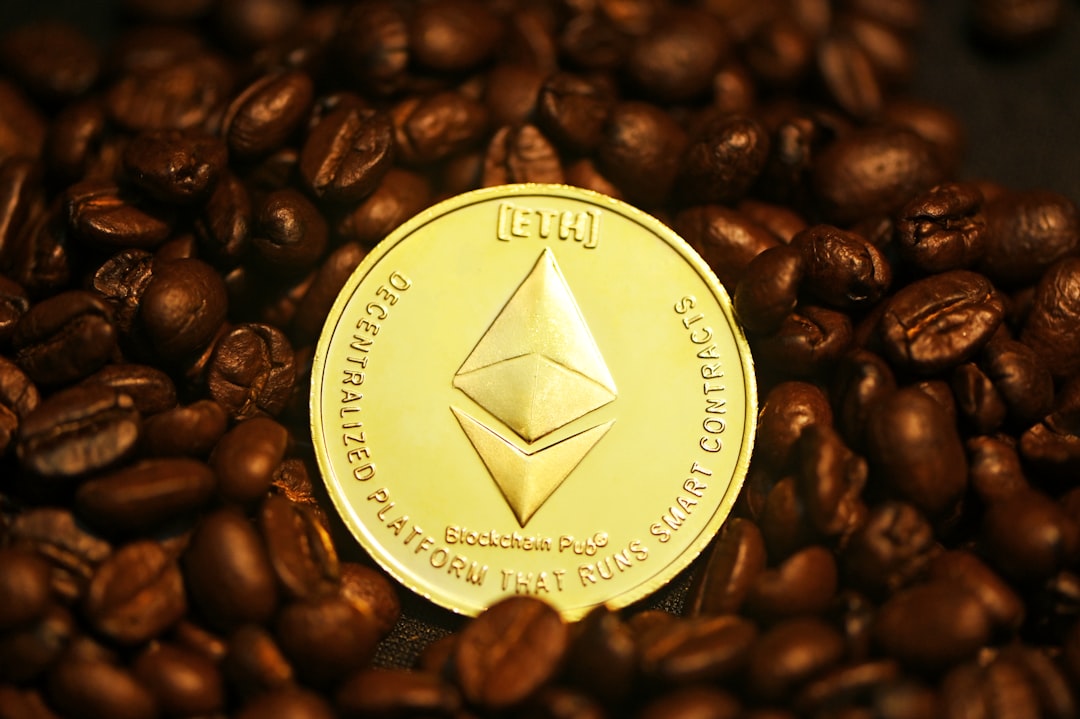
Intro: A Bold Question for Long-Term Investors
If you’re planning for a decade of growth, you might wonder whether a single asset could tilt the odds in your favor. One provocative question you’ll hear in crypto circles is: buying ethereum could your investment return significantly over the long run. This piece doesn’t promise a miracle, but it does lay out how Ethereum fits into a diversified plan, what could drive meaningful upside, and how to manage the risks that come with a volatile market. Think of this as a practical framework for evaluating Ethereum as part of a broader wealth plan, not a speculative blip on a screen.
Why Ethereum Matters Beyond Price Moves
Ethereum stands out not just as a digital asset, but as a global platform for programmable money and decentralized applications. Here’s what gives it staying power:
- Smart contracts and DeFi: Ethereum hosts the majority of decentralized finance apps, from lending to stablecoins to automated market makers. This creates ongoing demand for gas and network activity.
- Developer ecosystem: A large and active base of developers builds new tools, wallets, and compliant interfaces that ease access for users and institutions.
- Layer-2 scaling and energy efficiency: Upgrades and sidechains improve throughput and reduce costs, making everyday use more practical.
- Asset tokenization: The potential to tokenize real-world assets—real estate, commodities, bonds—often hinges on Ethereum-compatible standards and infrastructure.
These components together create a narrative where Ethereum doesn’t just move with crypto markets; it acts as a foundational layer for new kinds of digital finance. That said, past performance isn’t a guarantee of future results, and the road ahead will be shaped by technology choices, regulation, and what users actually build and adopt.
Where Could a Tenfold Return Come From? The Growth Engine
A tenfold move over the next decade would require a mix of stronger adoption, scalable technology, and favorable macro conditions. Here are the core engines that could push Ethereum higher while balancing risk:
- Scalability and user experience: Layer-2 networks (such as Optimistic Rollups and ZK-rollups) can dramatically lower costs and increase throughput, which makes Ethereum-based apps usable by millions more people.
- DeFi and institutional use cases: As more financial services migrate to on-chain versions (lending, insurance, settlement), demand for ETH as a settlement and collateral asset could rise.
- Staking and yield: ETH 2.0 staking and liquid staking options can create new forms of income, attracting long-term holders who view ETH as a base asset rather than a pure trader’s coin.
- Real-world asset tokenization: Tokenizing real assets (real estate, art, commodities) on Ethereum could unlock new markets and liquidity, driving on-chain activity.
- Regulatory clarity and institutional participation: Bridges between traditional finance and crypto markets could unlock new money inflows and reduce volatility over time.
Put simply, the tenfold scenario hinges on Ethereum becoming faster, cheaper, and more capable of handling mainstream applications. If those conditions align with investor demand, the math behind a 10x move isn’t out of reach for a patient investor.
Pricing Scenarios: What 10x Would Look Like
To think through a 10x outcome, we can map potential price ranges against a long horizon. Suppose Ethereum starts a decade-long period at roughly a few thousand dollars per coin and experiences multiple growth spurts as the network scales and real-world use cases mature. A tenfold rise would put ETH in a much higher price band while still reflecting market fundamentals and risk controls. A simple way to look at it is by CAGR (compound annual growth rate): a 10x gain over 10 years requires about a 25–26% annual return, assuming annual compounding. That’s a high bar, but not impossible if technology adoption accelerates and demand for ETH as collateral and settlement grows.
Real-world investors don’t rely on a single catalyst. They diversify time horizons, consider multiple price paths, and rebalance with discipline. Below are three illustrative paths you might see in research notes, each with different risk profiles:
- Base case: Steady layer-2 adoption, modest DeFi expansion, and gradual institutional comfort; ETH reaches roughly triple to quadruple its current level over a decade.
- Optimistic case: Faster-than-expected scaling, broad tokenization of assets, and regulatory clarity; ETH could approach a 5x to 8x increase in price over the period.
- Adverse scenario: Regulatory crackdowns or delays in scaling hold back momentum; the 10x thesis becomes uncertain and upside is capped, highlighting the importance of risk controls.
To translate these scenarios into practice, consider this rule of thumb: use a layered plan with an initial allocation, followed by automatic rebalancing and a staged exit if targets are met or risks rise. The next sections lay out realistic, actionable steps to participate in the upside while keeping risk in check.
Practical Ways to Position for Long-Term Growth
If you’re considering long-horizon exposure to Ethereum, here are concrete, investor-friendly steps. The emphasis is on gradual onboarding, risk controls, and a plan you can review annually:
- Define your allocation: For a diversified crypto sleeve, a 2–5% position in Ethereum can be a starting point for many portfolios, with the rest in broad market exposure or other assets to balance risk. Your numbers depend on your risk tolerance, financial goals, and time horizon.
- Use dollar-cost averaging (DCA): Invest a fixed amount monthly, regardless of price, so you buy more when prices are lower and less when they’re high. Over a decade, DCA helps smooth out volatility and can lower the average cost per ETH over time.
- Choose a secure storage approach: Use a combination of hot wallets for accessibility and hardware wallets for security. If you stake ETH, understand the lock-up periods and withdrawal limitations on your chosen platform.
- Consider staking and liquidity options: ETH staking can provide yield, but it introduces liquidity risk. Explore options like liquid staking tokens to maintain some flexibility while earning rewards.
- Plan taxes and reporting: Crypto taxes in the U.S. hinge on transaction type, cost basis, and gain realization. Keep meticulous records and consult a tax professional to align with IRS rules.
- Diversify beyond ETH: Balance Ethereum exposure with a mix of assets that align with your appetite for risk, such as broad stock market exposure, bonds, or other crypto assets that have different risk profiles.
Risk Management: Guardrails for a Long-Run Play
Even with a strong thesis, risk can derail a decade-long plan. Here are guardrails that help you stay in control:
- Set a loss limit: Decide in advance how much you’re willing to lose on a position and stick to it. A common approach is a maximum 15–25% drawdown on any single investment over a defined period.
- Limit exposure to timing risk: Avoid betting all at once; use a phased entry with fixed intervals and monitor the adoption curve of Layer-2s and DeFi growth.
- Monitor liquidity risk: If you stake ETH, know the withdrawal timelines and penalties. Have a plan to regain liquidity in emergencies without selling at a loss.
- Keep security top of mind: Use hardware wallets for large holdings, enable 2FA on exchanges, and beware phishing schemes that target crypto investors.
- Stay compliant: Follow evolving regulations. The landscape can shift quickly, and staying informed helps you avoid costly mistakes.
Real-World Example: A Thoughtful Path to Exposure
Let’s imagine a hypothetical investor, Alex, with a 15-year time horizon and a $10,000 starting stake intended for growth. Alex allocates 4% to ETH (initial purchase around $2,000 per ETH, purely for example) and uses a monthly DCA plan of $200 into ETH for 120 months. Alex also sets a mental stop by allocating a maximum 25% of the ETH position for potential exit if certain risk thresholds are breached. While ETH’s price fluctuates, the monthly contributions and Layer-2 adoption improve the odds that the investment compounds meaningfully over time. If Ethereum’s ecosystem expands as outlined, the value of the initial stake can compound alongside staking yields and the appreciation of the broader platform’s user base. Of course, this is a hypothetical, but it illustrates how a steady, disciplined approach can tilt outcomes toward a stronger multi-year trajectory.
Long-Term Outlook: Patience, Not Timing, Usually Wins
Historically, the most successful long-horizon investors emphasize patience, not perfect timing. Ethereum’s value isn’t solely a function of crypto price cycles; it also reflects the platform’s ability to attract developers, users, and institutional attention. A decade is long enough for meaningful tech progress and user adoption to compound, yet crypto remains a fast-moving space with regulatory and macro headwinds that can surprise on the downside as well as the upside. The key is to align your personal goals with a robust, repeatable process rather than chasing immediate gains.
Conclusion: A Thoughtful Path Toward Potential Upside
The idea of a tenfold gain through buying ethereum could your long-term plan, rather than a guarantee, rests on disciplined adoption of a scalable technology and real-world use cases. Ethereum’s ongoing upgrades, growing DeFi ecosystem, and expanding asset-tokenization story provide a plausible backbone for a long-horizon investment thesis. For many investors, a modest allocation—paired with a structured buying plan, sound risk controls, and ongoing education—can offer meaningful upside while keeping risk in check. If you’re looking for a way to participate in the next era of digital finance, Ethereum offers a well-researched, data-informed path with clear constraints and opportunities.
FAQ: Quick Answers to Common Questions
Q1: Is Ethereum a good long-term investment?
A1: Ethereum is widely viewed as a foundational platform for smart contracts and DeFi. Its long-term value depends on continued developer activity, network security, and adoption of on-chain applications. A balanced approach, with risk controls and diversification, can help manage the inherent volatility.
Q2: How can I buy Ethereum safely?
A2: Start with regulated exchanges, enable two-factor authentication, and consider hardware wallets for storage. If you plan to stake or earn yields, understand the terms, lock-up periods, and liquidity options before committing funds.
Q3: What are the main risks of this 10x thesis?
A3: Key risks include regulatory changes, competition from other platforms, on-chain security issues, and market downturns. A disciplined plan, proper risk management, and ongoing education help mitigate these risks.
Q4: Should I stake ETH to pursue growth?
A4: Staking can provide yield, but it introduces liquidity and risk considerations. If you’re new, start with a small amount, learn how staking works, and diversify liquidity options to avoid being locked into a single path.
Discussion