
Market backdrop: NUKZ sits at the crossroads of a nuclear renaissance
As of mid-2026, the Range Nuclear Renaissance Index ETF, traded under the ticker NUKZ, is being watched not just for its exposure to uranium and reactors, but for the two catalysts that may determine its path in the year ahead. The fund, which tracks the nuclear value chain from miners to utilities and SMR developers, has gained attention as climate policy and grid resilience push nuclear power back into the spotlight.
NUKZ is designed to capture a broad spectrum of the industry, not just fuel. Holdings span uranium producers, reactor builders, advanced reactor developers, and utilities running existing fleets. The fund’s composition includes peers and stalwarts such as major uranium players, engineering firms, and defense contractors tying into the energy transition. While the expense ratio sits above typical broad-market ETFs, investors have embraced the package because it aligns with a tangible, multi-year buildout rather than a single commodity trade.
Catalyst 1: Hyperscaler power purchase agreements reshape the revenue map
The first of the catalysts that will determine NUKZ’s next 12 months is the cadence and scale of power purchase agreements (PPAs) signed by hyperscale cloud builders. Companies like Microsoft, Amazon, Google, and Meta are increasingly layering long-term, above-market commitments to nuclear capacity into their energy plans. In theory, each new, signed contract adds meaningful, long-dated revenue to utilities holding nuclear assets and, by extension, to the ETF’s underlying universe.
Analysts describe the dynamic as less of a utility play and more of a growth thesis for a thematic ETF. The market is watching contracted gigawatts with particular focus on the durability of these agreements in a rising-rate environment and in the face of evolving renewable competition. The take is simple: more confirmed capacity translates to higher visibility for utilities and infrastructure players, which in turn benefits NUKZ through its diversified exposure.
As a practical gauge, investors should monitor 8-K filings and quarterly capex guidance from the hyperscalers, along with any updates on their long-term energy strategies. The proxy for activity, in short, is contracted gigawatts and the revenue stability that follows—an outcome that could support multiple expansion in NUKZ’s share price if the trend persists.
Catalyst 2: Nuclear buildout and the SMR pipeline gains traction
The second catalyst that will determine NUKZ’s trajectory is the pace of the broader nuclear buildout, especially the deployment of small modular reactors (SMRs). SMRs promise modular, scalable power with faster construction timelines and potentially lower upfront costs. Governments and corporate backers are funding pilots and first-commercial projects, signaling a shift from pilot programs to deployed fleets in select regions.
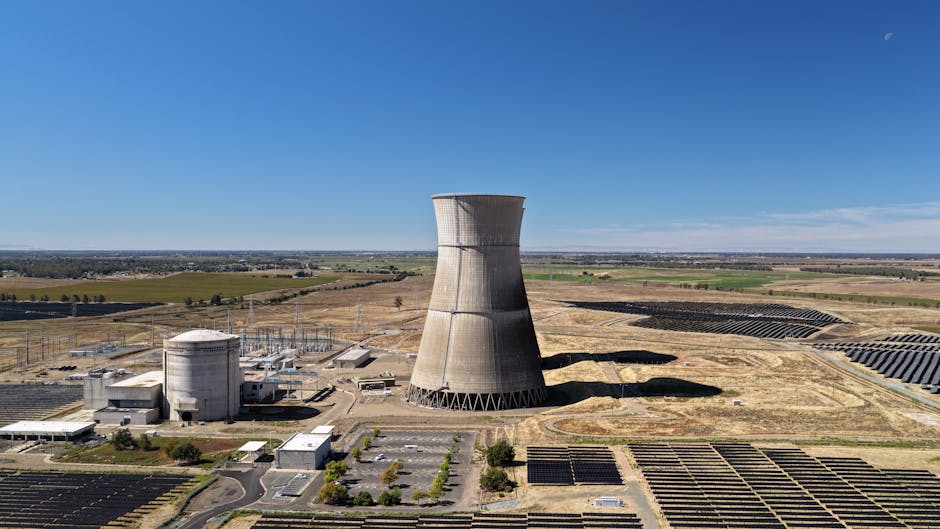
Two factors are driving this catalyst forward: policy support and the supply chain that can deliver SMRs at scale. Policy clarity around permitting, waste management, and long-duration financing helps reduce risk, while a robust supply chain underpins the ability to translate concept designs into real, operating plants. For NUKZ holders, a sustained SMR ramp could offer a reliable throughput of new contracts, long-term revenue visibility, and a lift to utilities and engineering firms within the ETF's basket.
Industry voices emphasize that the trajectory is not guaranteed, but the most plausible path now looks like several pilot SMR projects advancing into early commercial phases over the next 12–24 months. If these pilots convert to multi-project deployments, the ripple effects could lift the earnings runway for the utilities and equipment companies that underpin NUKZ’s holdings.
Broader risk factors and optionality to watch
Beyond the two catalysts, several crosscurrents could tilt outcomes for NUKZ over the coming year. Interest-rate volatility, commodity price shifts, and policy changes will all shape how the fund’s components perform. The nuclear industry also faces competition from other low-carbon technologies, grid modernization timelines, and supply-chain resilience concerns that could affect project pacing.
Investors should consider that a broader risk-reward backdrop will influence NUKZ’s performance. If hyperscaler commitments accelerate and SMR pilots gain certainty, the ETF could re-rate higher as visibility improves. Conversely, any pullback in energy capex or policy headwinds could cap upside and compress multiples for defensively positioned holdings.
What to watch this quarter
- Hyperscaler filings: Track 8-K updates from Microsoft, Alphabet, Amazon, and Meta for new PPAs, capacity targets, and capex guidance that could feed into NUKZ’s growth expectations.
- SMR milestones: Look for announcements on pilot approvals, construction start dates, and first-output timelines from leading SMR developers and utilities.
- Top holdings performance: Monitor quarterly results and order pipelines from Cameco, BWX Technologies, Constellation Energy, GE Vernova, Quanta Services, and Lockheed Martin’s energy ventures to gauge underlying momentum.
- Regulatory and policy signals: Watch for updates on waste management solutions, licensing timelines, and grid policy that could accelerate or delay deployment cycles.
Expert perspectives on the two catalysts that will determine the path forward
Market participants emphasize that the two catalysts that will determine NUKZ’s performance hinge on contract flow and project execution. ““The pace of hyperscaler PPAs is the most immediate driver for utilities and their capital programs,” said Jane Alvarez, senior analyst at Ridgecrest Capital. “If the bill for cloud-scale energy continues to tilt toward long-term nuclear commitments, NUKZ’s risk-reward profile improves markedly.”
Another voice, Aaron Patel, energy strategist at Northpoint Partners, added: “SMR deployment is the question that will determine whether the current optimism translates into sustained revenue streams. The market is watching pilots and early commercial projects with high interest, but the execution risk remains real.”
These viewpoints frame the narrative for the upcoming quarters: hyperscaler demand could unlock a steady revenue runway, while SMR progress will determine how durable that run is against macro shifts and policy hurdles.
Key metrics at a glance
- AUM and liquidity: The ETF sits with nearly eight hundred million dollars in assets under management, offering ample liquidity for institutional traders and retail investors alike.
- Holdings composition: The fund captures the full nuclear value chain, including uranium producers, reactor builders, SMR developers, and operating utilities.
- Expense ratio: The 0.85% management fee reflects the active-like exposure of a broad, diversified theme within a passive wrapper.
- Trailing performance: The fund has shown meaningful gains over the past year, driven by renewed interest in the nuclear renaissance and the growth of associated infrastructure services.
- Focus areas for 12 months: PPAs with hyperscalers and late-stage SMR development pipelines.
Bottom line: Two catalysts that will determine the path ahead
The coming year will likely hinge on the two catalysts that will determine NUKZ’s trajectory: the cadence of hyperscaler PPAs and the success of SMR deployment. If cloud providers keep signing long-term nuclear commitments and if SMR pilots scale into practical, deployable projects, NUKZ could emerge as a clearer play on a tangible, accelerated energy transition. If either path stalls, the ETF could face the kind of scaleback that comes with policy ambiguity or delayed capital programs.
For now, investors should stay tuned to the sequence and breadth of announcements from hyperscalers and SMR developers, while keeping an eye on portfolio changes within the Range Nuclear Renaissance Index that underpins NUKZ. The balance of risk and reward will increasingly be shaped by how smoothly the two catalysts evolve in concert over the next 12 months.
Discussion