
Introduction: The Surprising Fit Between Old-School Value and AI Infrastructure
When people imagine AI stocks, they often picture fast-growing software names or cloud hyperscalers. But the massive push to build and expand the physical backbone of AI—data centers, server farms, and the pre-construction work that makes those sites possible—needs a different kind of player: the heavy equipment maker. Caterpillar sits squarely in that camp. It’s a company rooted in durable goods, a legacy brand with a long history of cycles, and yet it stands to benefit from a secular trend shaping modern tech: the demand for physical AI infrastructure. For patient investors, this mix creates a compelling thesis worthy of consideration in a market that sometimes misreads traditional industrials as laggards. In short, caterpillar could stock year if AI capex remains robust and the company capitalizes on its unique position in construction and site-prep activities.
Why AI Infrastructure Is a Real Driver for Industrial Capex
Hyperscale data centers aren’t just assembled by software and silicon; they require billions of dollars of land development, trenching, roadwork, and heavy lifting. The AI build-out depends on reliable, scalable infrastructure, from soil stabilization to soil removal and site clearing. This is where Caterpillar’s core strengths align with a sector that investors expect to grow for years to come. Consider these realities driving demand:
- Global data-center capex is measured in hundreds of billions of dollars annually, with long planning cycles and multi-year build-outs that require equipment fleets for excavation, earthmoving, and material handling.
- Hyperscalers like AMAZON, GOOGLE, and MICROSOFT aren’t just buying servers; they’re investing in entire site packages—from land prep to power and cooling infrastructure, all of which rely on Caterpillar’s machines and services.
- Rising automation and the need for uptime push operators toward newer, more efficient fleets, remote diagnostics, and fleet-management solutions—areas where Caterpillar has been expanding.
From a macro perspective, this is a steady, albeit cyclical, growth channel. It’s not a pure software disruption story, but rather a structural push to deploy physical assets that can be deployed, used, and repurposed as demand for AI capacity grows. For investors focused on long DCF-like thinking and steady cash flow, the AI infrastructure wave presents a reasonable tailwind rather than a reckless bet. caterpillar could stock year deserves serious consideration in this context because the long-cycle nature of data-center construction aligns with Caterpillar’s operational cadence.
What Caterpillar Brings to the AI Infrastructure Build-Out
To understand why caterpillar could stock year as a relevant play, it helps to map the company’s strengths to the needs of AI facility construction. Here are the core competencies that could power the upside.
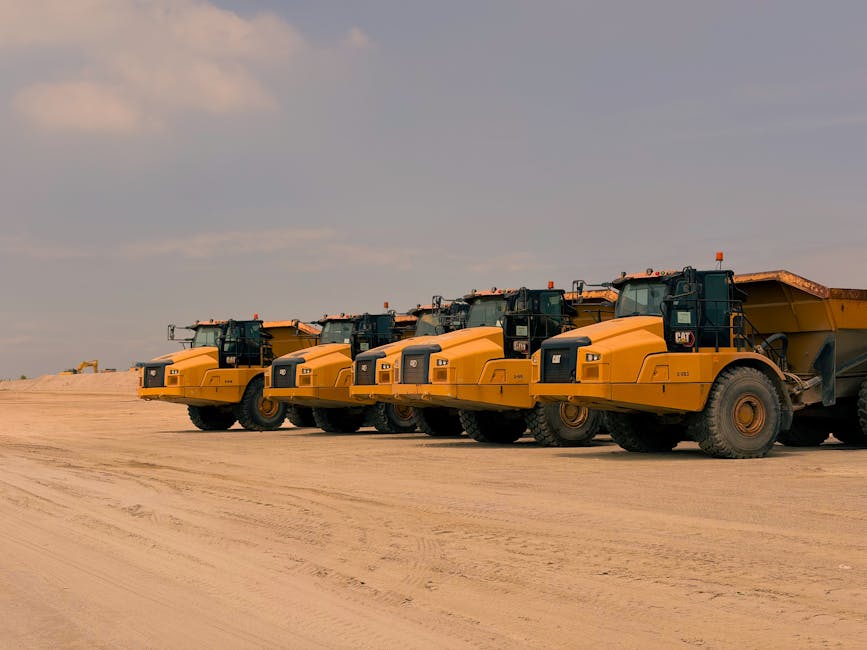
Operational Footprint and Global Reach
Caterpillar operates a worldwide network, delivering not just machines but a complete ecosystem of parts, service, and after-market support. Data-center developers need reliability; downtime is costly. Caterpillar’s parts availability and service footprint can translate into a lower total-cost-of-ownership for customers who must keep fleets running in remote, climate-affected sites. That reliability is a differentiator as AI capacity scales up across regions with different maintenance ecosystems.
Equipment Versatility for Site Prep
Data-center campuses require large-scale earthmoving, trenching, and site preparation. Excavators, wheel loaders, bulldozers, and drilling rigs perform the heavy lifting long before the first server goes online. Caterpillar’s breadth—from compact machines to large, industrial units—gives customers a one-stop-shop for the primary phases of site development. In practice, that means more cross-sell opportunities on a single project and stronger revenue visibility across cycles.
Digital Services and Fleet Management
Beyond raw machines, Caterpillar has been steadily expanding its digital offerings, including telematics, predictive maintenance, and remote diagnostics. For AI infrastructure, the ability to monitor fleet health, schedule maintenance before failures occur, and optimize fuel efficiency matters. The more customers rely on data to run operations, the more value they extract from Caterpillar’s digital ecosystem. caterpillar could stock year remains a useful framing because this is not a one-and-done machine sale; it’s a longer relationship built on uptime and optimization.
Capital Allocation and Reinvestment
In industrials, how a company reinvests cash matters as much as the top-line growth. A disciplined capital allocation approach—maintaining a healthy dividend, repurchasing shares when appropriate, and funding modernization without sacrificing balance-sheet strength—can convert a cyclical business into a steadier source of earnings. If Caterpillar can balance capex for newer engines, electrification initiatives, and digital tooling with shareholder returns, the stock could earn a higher multiple in the eyes of long-term investors.
Financials to Watch in the AI Era
Numbers matter more when the story involves a turn toward infrastructure-heavy growth. Here are the metrics that should guide your assessment of caterpillar could stock year potential.
Backlog and Visibility
Backlog is a leading indicator of future revenue, especially in capital-intensive industries. For Caterpillar, a rising backlog, particularly in segments linked to site prep and large-scale earthmoving, signals that customers are locking in capacity ahead of AI data-center builds. A strong backlog coupled with a steady conversion rate into revenue is a supportive sign that AI-related demand is translating into actual orders rather than short-term blips.
Cash Flow Quality
Industrial players generate value when free cash flow remains robust after maintenance capex. In catering to AI infrastructure, cash flow can be seasonally lumpy, but a credible plan to invest in new product lines while sustaining a healthy payout improves the stock’s defensive appeal. Investors should look for free cash flow yield in the high single digits to low teens, with a cadence that supports buybacks or dividends without compromising growth initiatives.
Margins and Productivity Levers
Gross and operating margins in heavy equipment hinge on pricing power, mix of products, and the efficiency of the services side. If Caterpillar can shift more of its revenue toward high-margin services—maintenance contracts, telematics subscriptions, and extended warranties—it can protect earnings during cyclical downturns. Productivity improvements, such as smarter manufacturing and smarter after-market support, also help bolster margin resilience when raw material costs swing or demand softens.
Valuation, Risks, and How to Think About Timing
Valuation for an older, capital-intensive company riding an AI wave will naturally be different from high-flying software names. The key is to distinguish between cyclical and secular drivers, and to measure how well Caterpillar converts operating strength into shareholder value across cycles.
Valuation Signals to Watch
- Price-to-earnings and price-to-free-cash-flow multiples relative to peers in industrials and machinery.
- Dividend yield and buyback cadence as a sign of capital return discipline.
- Backlog growth rate and mix shift toward services and digital offerings.
- Debt levels and liquidity, given the potential for higher capex in AI-driven product development.
In this framework, caterpillar could stock year shines when the data-center build-out proves durable and when the company demonstrates a credible plan to convert capex into recurring revenue streams. A patient investor might tolerate a rough quarter here and there if the longer-term trajectory shows backlog expansion, higher service revenue share, and prudent capital allocation.
Risk Factors You Can’t Ignore
Every AI-adjacent thesis carries risk, especially when tied to a cyclical sector like construction equipment. Here are the main headwinds to monitor:
- Macro cycles: A slowdown in construction or a softening in commodity prices can dampen equipment demand quickly.
- AI capex uncertainty: If the pace of AI infrastructure spending slows, the revenue visibility from site prep and heavy machinery could contract.
- Supply chain and input costs: Steel, aluminum, and logistics costs can erode margins if not managed carefully.
- Competition and substitution: New players or more efficient equipment technology could compress pricing or reduce replacement cycles.
Investors should consider hedging strategies, such as balanced exposure to both cyclical industrials and more resilient sectors, to avoid over-concentration in a single theme. caterpillar could stock year is a thesis that relies on a multi-year horizon and a clear view of how AI-capex stays on track across cycles.
How to Play Caterpillar in Your Portfolio
If the AI infrastructure thesis resonates, how should an investor actually position the stock? Here are practical steps to consider.

Asset Allocation and Position Sizing
Consider a measured entry: 1–3% of a diversified equity sleeve for a first tranche, with a plan to add on confirmation of backlog growth or margin expansion. For a mid-cap or large-cap-focused portfolio, you might elevate the position to 2–4% if the stock proves resilient during slower periods and demonstrates strong cash generation.
Entry Points and Triggers
- Pullbacks in the broader industrial space (5–10%) with no deterioration in backlog or service growth.
- Credit upgrades or improvements in capex visibility from major customers in AI-driven segments.
- Announced enhancements in digital services, predictive maintenance, or new product lines tied to energy efficiency and automation.
In practice, you might view caterpillar could stock year as a signal that the AI infrastructure cycle is becoming more than a speculative narrative and is turning into a tangible business reality. Use dollar-cost averaging to build exposure gradually, evaluating quarterly results for evidence of improved service mix and backlog strength.
Conclusion: A Pragmatic View on Caterpillar and AI Infrastructure
AI is not just about chips and software; it requires a heavy, reliable, and efficient physical backbone. Caterpillar, as a century-old machinery powerhouse, sits at a crossroads where traditional strength in earthmoving, site preparation, and after-market services could translate into meaningful gains from AI-driven capital expenditure. The thesis hinges on several factors: sustained AI capex growth, the ability to expand service revenue, disciplined capital allocation, and the resilience of Caterpillar’s global footprint. While no stock is without risk, caterpillar could stock year represents a thoughtful way to frame a value-oriented wager on AI infrastructure—a blend of durability and growth potential that could appeal to investors seeking both income and exposure to the AI-era rebuild of the data-center landscape. If the AI investment cycle remains intact and Caterpillar continues to execute on its mix of core strength and digital expansion, this stock could be a meaningful contributor to a well-rounded portfolio over the next 12–24 months and beyond.
FAQ
Q1: Why would Caterpillar benefit specifically from AI infrastructure?
A1: AI infrastructure builds require heavy earthmoving, trenching, and site-prep work—areas where Caterpillar’s machines and global service network excel. A steady stream of site development projects can translate into durable demand for both equipment sales and after-market services.
Q2: How does backlogs and cash flow influence the investment case?
A2: A growing backlog provides visibility into future revenue, while strong free cash flow supports dividends, buybacks, and reinvestment in growth. If Caterpillar can convert backlog into recurring service revenue and maintain healthy FCF yields, the stock becomes more compelling as an AI infrastructure proxy.
Q3: What are the main risks to this thesis?
A3: The biggest risks are macro cycles in construction and infrastructure spending, potential declines in AI capex pace, and competition that could compress margins. A shift in commodity prices or supply chain disruptions could also weigh on profitability.
Q4: How much of a position is prudent for a typical investor?
A4: For many investors, a 1–3% initial position with gradual add-on on confirmatory data is sensible. Those with higher risk tolerance and longer time horizons might pursue a 2–4% exposure, complemented by diversification into related industrials or AI infrastructure-focused funds.
Discussion