
caterpillar oshkosh: which industrials
Two titans sit near the top of the industrials landscape: Caterpillar (NYSE: CAT) and Oshkosh (NYSE: OSK). They both operate in the broad world of heavy machinery and mission-critical equipment, but they pursue very different paths to growth. As 2026 unfolds, the question for investors isn’t just which stock is cheaper, but which business aligns with your tolerance for cycles, volatility, and long-term trends like infrastructure spending, defense modernization, and the push toward smarter, data-driven machines.
For readers asking caterpillar oshkosh: which industrials is the better bet, the answer hinges on how you balance cycle exposure with defense resilience, how you view global infrastructure cycles, and how you want your portfolio to weather policy shifts and commodity swings. This article breaks down the fundamentals, the drivers, and the practical ways to think about a CAT vs OSK comparison as you build a 2026 plan.
Caterpillar: Global Scale, Diversified Engine of Infrastructure
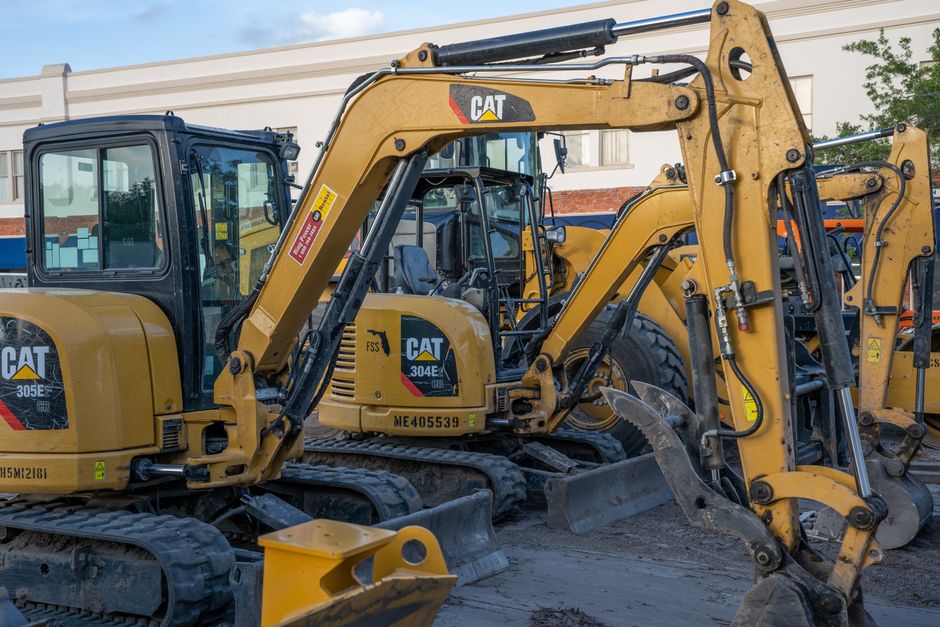
Caterpillar sits at the core of construction, mining, and energy projects around the world. Its machines power roads, tunnels, mines, and power plants, making it a proxy for global infrastructure activity. The company offers a broad product lineup—from excavators and wheel loaders to large mining trucks and gas turbines—paired with a vast service and parts network that helps customers keep capital equipment productive over decades. In 2026, CAT continues to push automation, telematics, and data-driven services, aiming to turn every machine into a node in a larger digital ecosystem.
Why this matters for investors: Caterpillar provides exposure to a broad, cyclical market with deep global reach. When infrastructure spending picks up in North America, Europe, or Asia, CAT typically benefits not just from equipment sales but from maintenance, parts, and service revenue that tend to smooth earnings over time. A key strength is its dealer network, which extends its reach across dozens of countries and creates a recurring revenue stream through aftermarket parts and support contracts.
In 2026, catapulting the business forward involves combining traditional strength with digital improvements. Partnerships to embed spatial data, automation, and predictive maintenance into the machine fleet can improve utilization and uptime for customers, reinforcing CAT’s role as a full-system provider. Investors should watch for how these tech-enabled offerings translate into higher utilization, longer machine lifecycles, and stronger service margins over time.
Oshkosh: Defense, Fire, and Specialty Vehicles
Oshkosh operates in a narrower but highly strategic corner of the industrials space. Its portfolio centers on purpose-built vehicles—military trucks, tactical wheeled vehicles, and specialized municipal and public-safety fleets. Much of Oshkosh’s demand comes from government contracts and long-term modernization programs, which can provide steadier revenue even when broader economic activity slows. The company also serves civilian segments, including outfitting and supporting critical public-safety fleets for fire and emergency response.
From an investor perspective, Oshkosh’s strength lies in defense and government-driven cycles. The defense sector tends to experience longer, more predictable procurement timelines and budgetary catalysts that can cushion earnings during downturns. Of course, this focus also means Oshkosh’s fortunes ride with policy decisions, defense budgets, and geopolitical considerations that influence contract awards and program renewals.
In 2026, Oshkosh continues to leverage its defense exposure with products designed to meet stringent military specs and to partner with government programs that require reliability, durability, and lifecycle support. The company’s ongoing initiatives to diversify into municipal and public-safety vehicles can broaden the revenue base while maintaining a strong core defense profile.
caterpillar oshkosh: which industrials
To frame a practical decision, think about how the two firms respond to three key forces shaping 2026 and beyond: infrastructure cycles, defense modernization, and the adoption of data-driven modernization. The question caterpillar oshkosh: which industrials is the better fit will come down to your view on these forces and your appetite for cyclicality versus resilience.
Key contrasts at a glance
- Market footprint: CAT is global, diversified across machinery segments; OSK is defense-heavy with a growing civilian presence in public-safety and municipal fleets.
- Revenue stability: CAT’s earnings are tied to construction activity and commodity cycles; OSK benefits from long-term defense contracts and backlog visibility.
- Growth catalysts: CAT leans on automation, data analytics, and service growth; OSK leans on defense modernization programs and public-sector fleet upgrades.
- Risk profile: CAT exposure to cyclical downturns and commodity swings; OSK exposure to policy shifts and defense budget volatility.
Key growth drivers for 2026 and beyond
Understanding where each company can gain traction helps translate the big-picture differences into practical investment decisions. Here are the main engines behind each business and how they might shape performance in 2026.
- Infrastructure demand: Global infrastructure spending cycles influence CAT more directly. A rising backlog for roads, rail, and energy projects typically translates into higher equipment orders and service activity.
- Defense modernization: Oshkosh stands to benefit from enduring defense budgets and modernization programs, especially for mobility and support vehicles that must withstand harsh operating environments.
- Automation and data: Both companies are pursuing smarter machines. Caterpillar’s data-enabled services can improve uptime and reduce total cost of ownership for customers, while Oshkosh emphasizes reliability and lifecycle support for mission-critical fleets.
- Environmental and market timing: Transition to cleaner energy, electrified fleets, and regulatory shifts can affect product mix and capital expenditure, with implications for both vendors depending on how quickly customers adopt new technologies.
Valuation and risk considerations
Valuation in the CAT vs OSK debate is about more than price. It reflects growth prospects, earnings quality, and how investors price cyclical versus defensive exposure. In 2026, you’ll likely see Caterpillar trading at a higher multiple relative to Oshkosh because of its larger scale, broader product mix, and stronger exposure to global infrastructure cycles. Oshkosh, with its defense backbone and growing public-safety portfolio, can command a premium for reliability and backlog visibility in uncertain markets, but it may also face more pronounced sensitivity to policy shifts that affect defense budgets.
Some investors prefer a blended approach: use Caterpillar as a core growth engine tied to global infrastructure and industrial activity, and complement it with Oshkosh to add defense resilience and predictable backlog. A simple way to think about this mix is to target a portfolio where CAT represents roughly 60–70% of the industrials exposure and OSK accounts for 30–40%, adjusting for your risk tolerance and time horizon.
As you weigh caterpillar oshkosh: which industrials, consider these practical metrics:
- Backlog and order visibility: Higher visibility tends to support earnings stability, especially for defense programs and long-cycle projects.
- Operating margins: Look for margin progression in service and parts for CAT; for OSK, assess how profitable the mix of defense and public safety remains as programs evolve.
- Cash flow generation: Strong free cash flow can support dividends, buybacks, and selective acquisitions, which matter for long-term total return.
Practical strategies for 2026 investors
While some readers lean toward the growth profile of a global leader, others prefer the defense-backed steadiness of Oshkosh. Here are concrete strategies you can apply when building or revising a portfolio focused on caterpillar oshkosh: which industrials dynamics.
- Core-satellite approach: Place CAT in the core satellite with a 50–70% weight in a diversified sector blend, and OSK as a satellite to add defensive ballast. Rebalance periodically to reflect cycle timing and policy developments.
- Dividend and cash flow emphasis: If you value income, check current dividend yields and payout policies. CAT has historically offered a solid dividend and buyback potential, while OSK provides steady cash flow through defense programs, which can support a reliable payout in tougher markets.
- Data and automation overlays: Favor CAT if you want a tech-forward play that leverages digitization in heavy equipment. Consider OSK if you want a portfolio with predictable procurement cycles and lower earnings volatility driven by government spending.
- Risk diversification: Use a modest OSK position to reduce macro-driven risk in a CAT-heavy portfolio, particularly if you anticipate infrastructure cycles to underperform in a given year.
FAQs: caterpillar oshkosh: which industrials
Q1: Which stock is a better long-term buy, Caterpillar or Oshkosh?
A1: It depends on your goals. If you want broad exposure to global infrastructure and a diversified product lineup, Caterpillar offers scalability and a wide moat. If you prefer defense-driven visibility and steady backlog with policy-backed funding, Oshkosh provides a more defensively oriented profile. A balanced portfolio often uses both to capture growth from infrastructure and stability from defense programs.
Q2: How does defense spending impact Oshkosh’s performance?
A2: Oshkosh’s defense revenue tends to rise with budgets that fund modernization and mobility programs. While policy shifts can change timelines, long-term defense cycles generally provide a predictable stream of orders and backlog, supporting earnings visibility even when civilian markets slow.
Q3: What about dividends and total return potential?
A3: Caterpillar has historically offered a competitive dividend with buyback activity that can support total return. Oshkosh, with its defense-centric model and improving public-safety portfolio, can also deliver steady cash flow, though dividend levels may be more stable than growth-driven. For investors, the total return picture combines price appreciation, capital returns, and the consistency of cash distributions.
Q4: How should I evaluate these stocks for a diversified portfolio?
A4: Treat CAT as a core growth-and-cycle play, and OSK as a defensive complement with policy-driven upside. Use a blended weighting that reflects your risk tolerance and time horizon. Regularly reassess the backlog, order visibility, and the health of government programs that could affect OSK. For a long horizon, rebalancing toward more defensive exposure during macro weakness can be a prudent move.
Conclusion: deciding between caterpillar oshkosh: which industrials
In 2026, the choice between Caterpillar and Oshkosh boils down to your vision of the macro cycle and your appetite for policy-driven steadiness. Caterpillar offers global scale, diversified exposure to infrastructure, and a path toward higher-margin, data-enabled services. Oshkosh provides defense-backed resilience, predictable backlog, and a portfolio that aligns with modernization programs and essential public-safety needs. The way you blend these two names—whether as a core-plus-satellite approach or a tailored, risk-balanced mix—will shape your portfolio’s ability to weather cycles and capture opportunities in a changing industrial landscape.
Remember the caterpillar oshkosh: which industrials question is not a simple one-answer decision. It is a framework for thinking about cycle exposure, policy risk, and the value of strategic partnerships that turn large fleets into efficient, well-supported assets. With a disciplined approach, combining CAT’s global scale with OSK’s defense and public-safety footprint can offer a balanced route to growth and stability in 2026 and beyond.
Discussion