
Market Context as Earnings Season Winds Down
As July trading kicks into high gear, investors are parsing mixed results from the fast-food sector. Inflation pressures have cooled somewhat, but pricing power and traffic trends remain uneven across concepts. Against this backdrop, the debate centers on which chipotle mcdonald’s: stock with the clearest path to sustained gains, given divergent growth plays and capital strategies.
Analysts expect further scrutiny of how premium fast-casual chains compare with value-focused giants as consumers balance wallets and appetite for convenience. The question is not just about current results, but about long-term earnings power, unit economics, and the ability to scale in a climate of evolving consumer confidence.
Chipotle: Premium Play Facing a New Reality
Chipotle Mexican Grill reported a challenging setup for the latest full year, marking its first stretch with negative comps. In the most recent quarterly update, comparable sales declined, and transactions contracted while the company continued rapid unit expansion. The year also featured a margin drawdown at the restaurant level, even as digital demand and loyalty programs remained central to its growth strategy.
Highlights from the period include a record pace of new openings paired with ongoing cost pressures from wage inflation and softer traffic. Management framed the results as progress within the Recipe for Growth playbook, emphasizing high-protein offerings, menu innovation, and a relaunch of the Chipotle Rewards program. Digital channels continued to drive a meaningful share of revenue, underscoring the company’s strategy to blend premium positioning with operational scale.
- Comparable sales: negative for the full year, with the last quarter showing a decline in traffic and check size.
- Unit growth: a record number of openings, signaling a continued push for market share.
- Restaurant-level margins: compression from the year prior, amid wage pressures and volume softness.
McDonald’s: Value Leader in a Slow Growth Era
In contrast, McDonald’s posted a stronger start to the year, with a robust rebound in traffic and positive pricing effects lifting revenue and same-store sales. The company highlighted value-led promotions and menu innovations as catalysts for check growth and visitor frequency. Loyalty investment translated into heavy spend by members, reinforcing the firm’s capability to monetize a broad and growing audience.
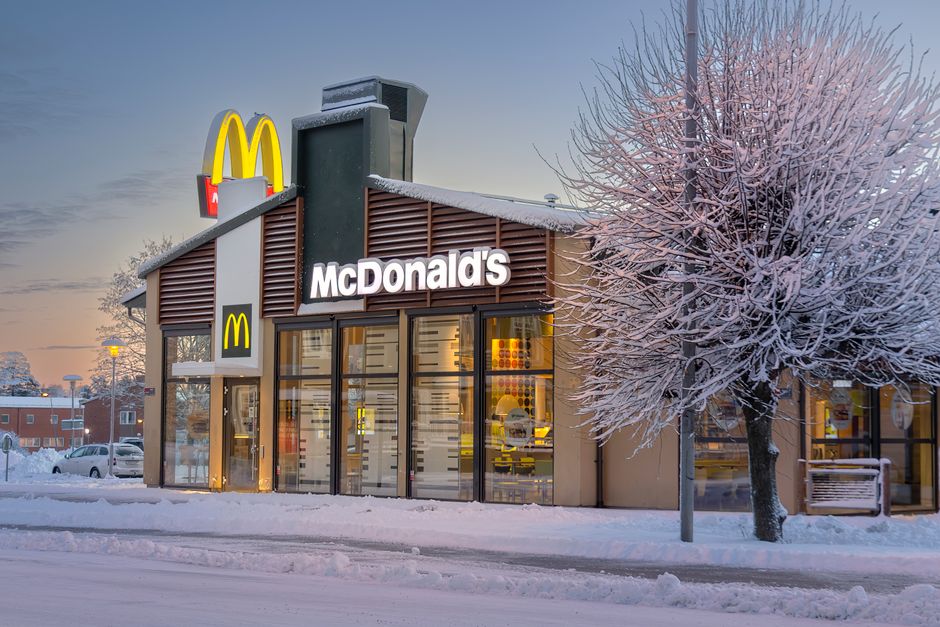
Key numbers from the latest period illustrate the strength of the franchise model and global scale. Management cited a solid quarterly revenue lift, a double-digit impact from expansion of its loyalty ecosystem, and a continued push to optimize franchise economics. The trailing twelve-month base remained a sizable anchor for cash returns and long-term growth planning.
- Global comps: positive, with the regionally strongest gains in the U.S.
- Domestic comps: rising on positive check growth and menu options that resonate with cost-conscious diners.
- Revenue: up year over year, aided by marketing campaigns, supply-chain efficiency, and franchised growth.
- Loyalty impact: members spent a substantial portion of total sales, underscoring the program’s monetization power.
The Valuation Debate: Who Has the Better Risk-Reward?
Investors are weighing two divergent trajectories. Chipotle mcdonald’s: stock with a negative comps narrative on the premium fast-casual side versus a value-driven, franchised-forward model on the other. The contrast is stark when you consider capital return and capital structure. Chipotle operates with a 100 percent company-owned store base and has steered toward aggressive share repurchases, which can amplify per-share metrics in a slower growth environment. McDonald’s relies heavily on franchised units, a broader global footprint, and a mix of dividends and buybacks to reward shareholders, a combination often viewed as a stabilizing force during macro headwinds.
In this setup, the market is testing which path yields better long-term upside. The factor that often wins in a benchmark environment is consistent cash flow generation and scalable unit economics. Chipotle mcdonald’s: stock with grows into a narrative where premium pricing and loyalty-driven demand could sustain margins, but the near-term volatility in comps creates a higher hurdle. McDonald’s, with its franchising engine and value-oriented promotions, offers a different risk profile—one that can be resilient when discretionary spending tightens and price elasticity comes into play.
Where the Numbers Point the Way
For context, Chipotle’s recent period featured a tricky blend of negative comps and ongoing expansion, while McDonald’s highlighted a stronger top-line trajectory and a faster pace of domestic recovery. The contrast is not just about different business models; it’s about how each company leverages scale and loyalty to weather a mixed macro backdrop.
- Chipotle: negative comps for the full year; a record pace of new openings; margin pressure at the unit level; digital share remains a bright spot.
- McDonald’s: positive comps globally; U.S. gains aided by value pricing; loyalty spend contributing to a higher revenue base; franchise-oriented growth underpinning cash returns.
What Investors Should Consider Now
Both names carry distinct risks and opportunities. Chipotle mcdonald’s: stock with the potential for outsized gains if it can stabilize comps, reinvigorate traffic, and maintain premium pricing in its core markets. Yet the near-term volatility around margins and customer traffic can weigh on short-run performance if wage pressures intensify or competitive pricing accelerates. The company’s 100 percent-owned store model also means that capital allocation decisions directly affect profitability and returns.
McDonald’s offers a more blended risk profile: a franchise-heavy network, strong cash flow, and a track record of returning value to shareholders through dividends and buybacks. But the reliance on franchised operations also means that changes in franchisee economics or input costs can impact margins and growth speed. In a market that prizes diversification and resilience, the value-led path may appeal to investors seeking steadier exposure during economic uncertainty.
Bottom Line
The fast-food landscape remains a study in contrasts. Chipotle and McDonald’s headline a binary choice for investors: a premium, growth-driven model with a history of innovation but with negative comps on the near horizon versus a value-driven, franchised engine with consistent cash flow and a proven record of returning capital to shareholders. The decision for many comes down to how they read the trajectory of consumer demand and the durability of pricing power in a world of shifting spend patterns. For now, the question lingers: is chipotle mcdonald’s: stock with a growth premium worth the higher volatility, or does McDonald’s value tilt offer a more predictable path to earnings power in a slower-growth environment?
As earnings season progresses, observers will watch how each company navigates wage dynamics, menu evolution, and digital adoption. The coming quarters could redefine which stock with the best mix of growth, resilience, and capital returns — a decision that will echo through portfolios across the investing community.
Discussion