What Happened
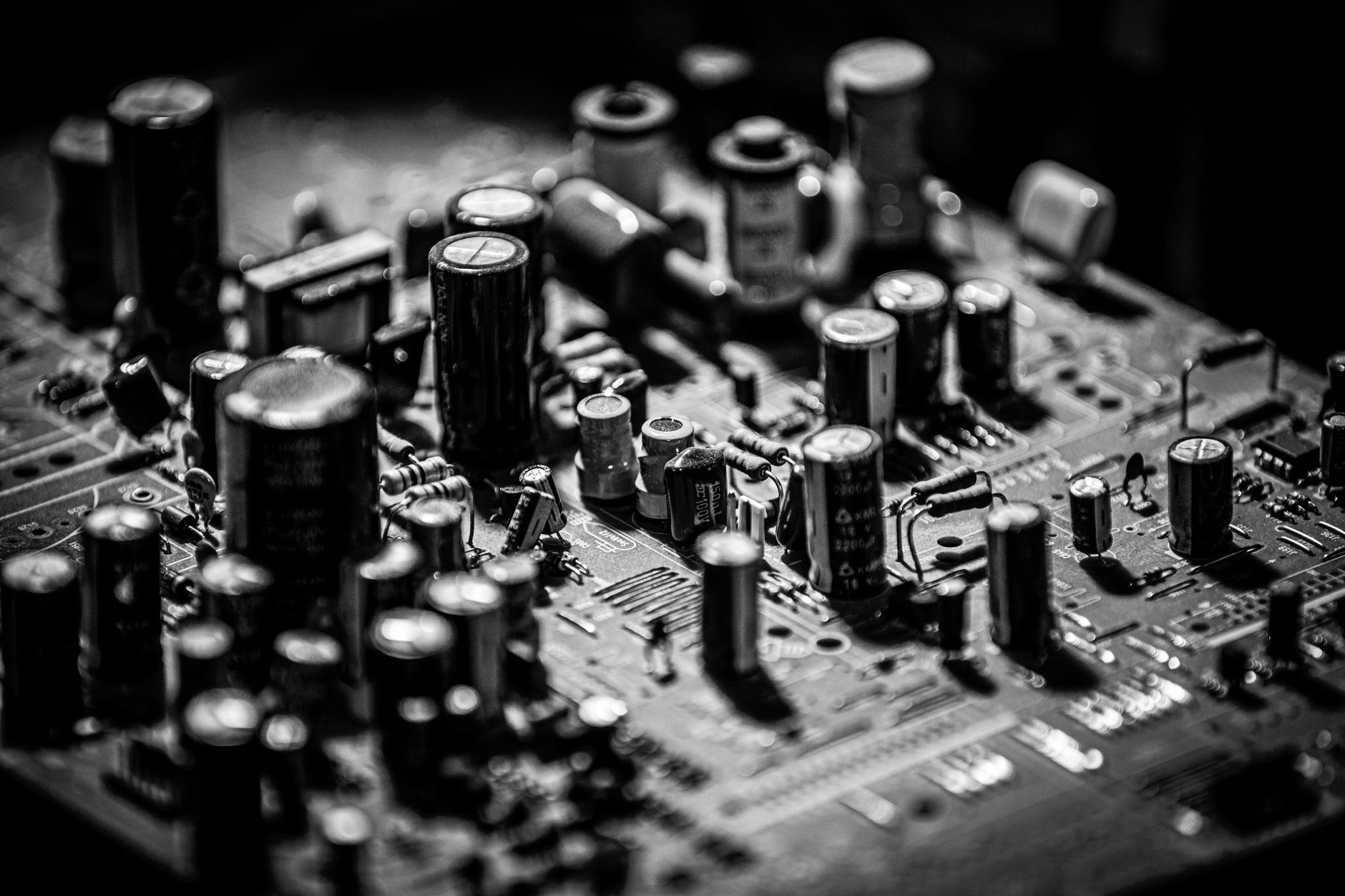
Nvidia’s next-generation AI platform, known in the market as Kyber NVL144, has been delayed by roughly a year due to a persistent bottleneck in high-layer PCB midplane manufacturing. The issue centers on the wiring spine that connects dozens of GPU modules inside each rack, a critical connector that determines whether a full cabinet can operate as a single system.
Industry chatter since early July 2026 points to a 78-layer printed circuit board midplane as the choke point. In practical terms, the delay shifts the planned rollout from 2027 to 2028, reshaping how hyperscalers and cloud providers plan capacity for the AI era. Nvidia publicly disputed the reports, with a spokesperson telling Bloomberg that its roadmap remains intact.
Observers note that the bottleneck isn’t the chip design but the way those chips are assembled into AI infrastructure. The company’s leadership has long stressed that the business model is migrating from selling silicon to selling complete AI systems and software stacks. The latest delay suggests the assembly line, not the silicon, is the limiter on cadence.
In the wake of the report, Nvidia’s management asserted that the line remains on track. A Nvidia spokesperson said, “The roadmap is intact, and we are continuing to invest in both hardware and software to scale AI workloads.” Still, the market has to digest a longer wait for a flagship product that was expected to redefine enterprise AI acceleration.
Why This Circuit Board Problem Just Matters
The so-called circuit board problem just underscores a broader industry truth: AI progress increasingly hinges on the manufacturing and integration of hardware as much as on chip performance. The Kyber NVL144 cabinet, designed to host 144 Rubin Ultra GPUs and operate as a single compute fabric, was pitched as a turnkey solution for hyperscalers and cloud quantum leaps in AI training and inference. If the midplane cannot scale, the entire system cadence can slip, even with best-in-class GPUs.
Analysts expect this kind of bottleneck to shift attention toward vertical integration and supplier diversification. While Nvidia retains the lead in silicon, the ability to assemble and ship complete AI racks on schedule becomes a strategic bottleneck that others could exploit. In the near term, investors should monitor any chatter about alternate suppliers or design-for-manufacturability changes that could accelerate assembly without compromising performance.
Market Reaction and Investor Pulse
Trading on the latest headlines, Nvidia shares moved modestly higher in the session following the denial of a formal delay claim, aided by a bullish note from a major bank highlighting attractive fundamentals despite the hiccup. The stock’s resilience reflects the market’s view that the long-term AI TAM remains enormous, even as near-term milestones shift.
- Nvidia stock: Up roughly 1% in the session after the company pushed back on earlier delay reports, reflecting investor relief that leadership reaffirmed the roadmap.
- PCB suppliers: Trade chatter highlighted heightened volatility for manufacturers tied to AI hardware assembly, with overseas PCB makers like Ibiden and Kingboard Laminates Holdings seeing intraday price moves as supply chain headlines circulated.
- Market context: The broader semiconductor index fluctuated amid mixed earnings and guidance, with investors weighing capex cycles and AI deployment timelines against chip margins and tech valuations.
Buy-side notes emphasize that the circuit board problem just adds a layer of cost and schedule risk to a sector already grappling with tight supply chains, component lead times, and wage pressures at factories around the world. Analysts caution that any sign of prolonged supply disruption could weigh on AI infrastructure spending in the back half of 2026 and into 2027.
What It Means for Nvidia’s Strategy
The delay reinforces a strategic shift that Nvidia has pursued for years: monetizing AI through complete systems, not just chips. Kyber NVL144 is designed to function as a self-contained AI cabinet, bundling GPUs and software into a single, scalable platform. If manufacturing constraints persist, Nvidia may accelerate revision cycles for the midplane or explore alternate cabinet designs to shorten assembly bottlenecks without sacrificing performance.
Industry executives and analysts say the company could respond with a mix of supplier diversification, design tweaks to simplify the midplane, and perhaps closer collaboration with manufacturers to prioritize critical path components. This would help restore cadence while preserving the core advantage in GPU performance that underpins Kyber’s appeal.
Implications for Chip Stocks and AI Builders
The street has already priced in the idea that the AI hardware wave benefits more from system-level integration than from chip-only breakthroughs. A circuit board problem just highlights the bottleneck risk on the assembly and supply side, potentially widening the gap between chipmakers and system integrators for a period of time.
- AMD and other GPU competitors may try to capitalize by offering alternative server configurations that sidestep the most congested midplane paths or optimize for easier manufacturing.
- Custom ASICs and accelerators, which aim to deliver bespoke AI throughput for large clients, could benefit if Nvidia’s product cadence slows but demand remains strong.
- Suppliers to the AI hardware chain—such as PCB manufacturers and assembly partners—could experience heightened volatility as investors reassess risk around lead times and cost inflation.
For investors, the takeaway is clear: the circuit board problem just adds to a longer list of supply-chain challenges that could delay big AI deployment timelines. Yet the long-term AI investment case remains intact for many strategists who are betting on explosive data-center demand, new software ecosystems, and the growth of enterprise AI workloads.
What Investors Should Watch Next
- Updates on Kyber NVL144’s revised timeline and any design-for-manufacturing changes that could speed up assembly.
- New supplier contracts or diversifications announced by Nvidia to reduce reliance on a single PCB midplane fabricator.
- Evidence of accelerated AI rack deployments by hyperscalers, which could confirm that demand remains robust despite the delay.
- Macro signals: enterprise IT budget cycles, cloud capex guidance, and semiconductor index performance as AI spending cycles evolve.
In a market where the focus is relentless on AI capabilities and rollout speed, a circuit board problem just underscores that execution risk is not limited to chip design. It travels through the entire chain—from silicon to systems to end-user deployments—and can margin the path to the next wave of AI infrastructure.
Bottom Line
As of early July 2026, Nvidia’s latest AI system faces a delay tied to a complex PCB midplane, a reminder that hardware assembly constraints can rival chip design in shaping product roadmaps. The circuit board problem just recasts the timing of big AI deployments, putting chip stocks and their suppliers in a watchful, data-driven mood as investors weigh the odds of faster-than-expected recovery against ongoing supply-chain risk.
Discussion