
Why Coeur Mining Stock Dropped Today? A Practical, No-Nonsense Guide
Investing in mining stocks can feel like riding a roller coaster: one day you’re up, the next you’re down. For Coeur Mining, Inc., the ride is closely tied to the price of gold and other precious metals. If you’re asking, "Why did coeur mining stock dropped today?" you’re not alone. The short answer is simple for most days: when gold prices decline, the stock tends to slide as well. But there’s more to the story than a one-note correlation. This article explains the drivers behind the move, what it means for your portfolio, and concrete steps you can take in response.
Understanding the Link: Gold Prices, Coeur Mining Stock, and The Underlying Economics
Coeur Mining is a US-based precious metals company that produces gold, silver, zinc, and lead. Its financial results and stock performance hinge on two fundamental factors: commodity prices (especially gold) and mining costs per ounce of production. When gold prices rise, Coeur Mining stock often benefits because higher prices improve revenue per ounce and can lift profit margins. Conversely, when gold prices fall, revenue per ounce declines and investors reevaluate the company’s profitability prospects, which can push the stock lower. The current move, where coeur mining stock dropped in response to a retreat in gold prices, is a textbook example of this relationship.
But it’s not just the metal price that matters. Coeur Mining’s costs, hedging strategies, mine development timelines, and byproduct credits (silver, zinc, lead) also shape how sensitive the stock is to price swings. The company’s debt load, liquidity, and ability to fund exploration or expansions at favorable capital costs can amplify or dampen the stock’s reaction to commodity moves. In practice, a drop in gold can trigger a roughly proportional fall in the stock, especially when investors are risk-on or risk-off and the broader market mood amplifies price movements.
What Specifically Triggers a Drop in Coeur Mining Stock?
Several near-term catalysts can drive a drop in Coeur Mining stock. Here are the most common suspects that traders monitor:

- Gold price weakness. Gold is the dominant driver. A pullback in spot gold and gold futures often leads to a decline in the stock as revenue per ounce and margin expectations come under pressure.
- Investor sentiment and risk appetite. When global markets shift toward safety or face macro headwinds, investors may pull money from riskier assets like mining stocks, even if the commodity backdrop remains intact.
- Operational updates or costs. Any news on higher production costs, mine disruptions, or delays can weigh on sentiment and push the stock lower, regardless of metal prices.
- Supply and demand signals for byproducts. Silver, zinc, and lead byproducts add to revenue. If byproduct prices soften, the effect can magnify the stock’s downside, even if gold holds steady.
- Macroeconomic headlines. Changes in interest rates, inflation expectations, or currency strength can influence both gold pricing and mining stocks in tandem.
In the current environment, the trend of coeur mining stock dropped often reflects a combination of gold price softness and broader market caution rather than a single company-specific shock. Investors who track the day’s price action will tell you that the move isn’t unusual for a stock with material exposure to precious metals.
How Coeur Mining’s Business Model Affects Its Stock Response
To understand why the stock moves as it does, it helps to connect business basics with market psychology. Coeur Mining’s revenue and profitability hinge on three intertwined levers:
- Metal prices. Gold is the primary driver, but silver and other byproducts also contribute meaningfully to revenue and margins.
- Production costs per ounce. All-in sustaining costs (AISC) and unit costs determine how much profit is earned per ounce sold when prices move up or down.
- Production timing and mine portfolio. The mix of active mines, planned expansions, and development timelines can influence both the pace of revenue and the sensitivity to price swings.
When gold prices tilt lower, the immediate effect is often a compression in margins if costs don’t fall in tandem. Because investors value mining stocks on expected future cash flows, any extension of cost pressures or a delay in revenue realization can prompt a weaker stock reaction—even if the long-term outlook remains solid.
Consider how a typical investor might think about coeur mining stock dropped in a scenario where gold slips 2-3% in a day but byproduct prices are stable. The results could still be negative if the market fears margin compression or questions whether the company can meet guidance without elevating capex or debt. In other words, the stock’s price action is not a pure ledger of metal prices; it’s the market’s updated view of future cash flow and risk.
Historical Context: How Coeur Mining Has Responded to Gold Moves
Over the past decade, Coeur Mining stock has shown a fairly consistent pattern: large gold moves tend to lead the way, but the magnitude of the stock’s reaction isn’t always proportional. During sustained gold rallies, CDE can outpace gold on the upside through higher byproduct credits and improved margins. In down markets, the stock can underperform if investors worry about costs or slower production growth. This asymmetric behavior is common among miners and can present both opportunities and risks for traders and long-term holders.
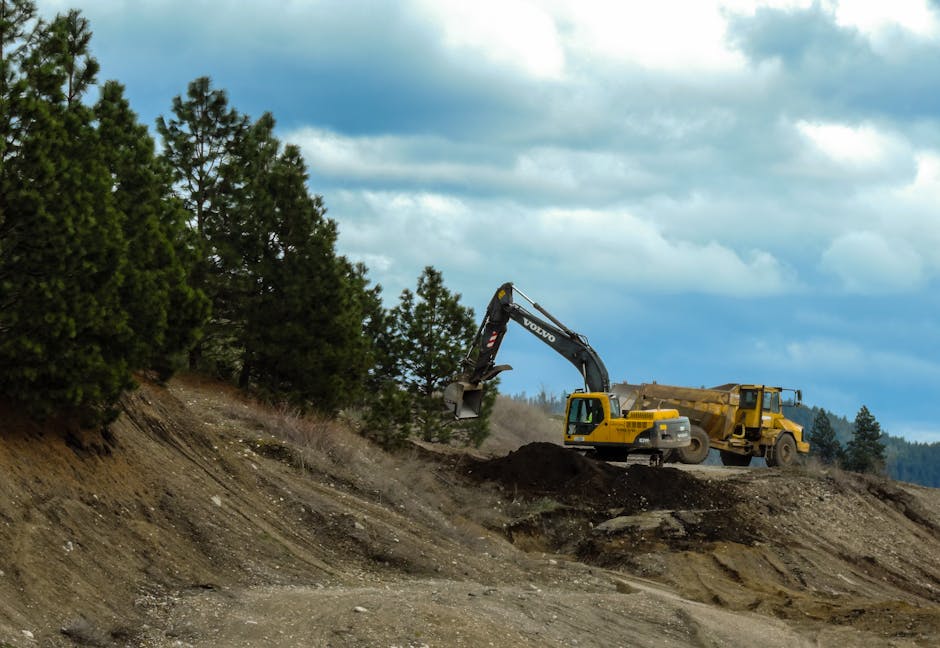
For investors focusing on value versus momentum, the key takeaway is that a single-day drop in coeur mining stock dropped does not necessarily mean the business is deteriorating. It often reflects a temporary alignment of price dynamics, sentiment, and macro headlines. The long-run economics—properly priced in a robust plan for cash flow, debt, and capital allocation—are what to monitor beyond the daily moves.
Strategies for Investors When You See the Phrase: "Why Coeur Mining Stock Dropped"
Whether you’re an active trader or a long-term investor, there are practical steps to take when you notice a drop tied to gold price movements. Here are several approaches you can tailor to your risk tolerance and investment horizon:
- Assess your time horizon. If you’re investing for retirement or a multi-year goal, short-term volatility should be less impactful. If you’re trading, you may ride the intraday swings more aggressively.
- Use a price-and-condition threshold. Set a rule like, “If gold moves beyond 2% intraday, reassess my position in CDE and consider a trim or add-on depending on the broader market context.”
- Check the byproduct mix. Silver, zinc, and lead byproducts can cushion or amplify performance. A stronger silver price can offset weaker gold when the byproduct mix is favorable.
- Compare with peers. Look at other miners with similar portfolios to gauge whether the move is company-specific or sector-wide. If peers hold up better on the same gold dip, you may want to adjust your exposure or diversify.
- Plan for the long term. Miners often bounce back after temporary gold weakness. A patient investor with a diversified portfolio may benefit from a disciplined buy-the-dounce approach when fundamentals remain intact.
To illustrate, suppose you own a modest position in CDE. If coeur mining stock dropped 5% on a day when gold fell 2%, you might look for evidence of cost stabilization or a positive update in the next earnings release. If such signals exist, the dip could be a tactical entry rather than a reason to abandon the position. Conversely, if the company announces higher costs or delayed project timelines, the dip could extend, calling for a more cautious stance.
What If You’re Thinking About Buying Now?
Buying into mining stocks after a drop requires a careful blend of discipline and data. Here’s a practical framework to consider:
- Define your risk tolerance. How much of your portfolio are you willing to allocate to mining stocks given their volatility? A typical range for a diversified investor might be 2-5% per stock, depending on overall risk appetite.
- Look at the cost structure. Investigate the company’s all-in sustaining costs and whether they’re improving or deteriorating. If costs are trending higher, a price rebound may take longer than expected.
- Gauge management guidance. Are the company’s production forecasts and capex plans realistic given current metal prices? Management commentary can illuminate whether the stock’s downside is temporary or structural.
- Use a staged approach. Consider deploying capital in tranches (e.g., 25% now, 25% after a 2-3% additional drop, etc.). This reduces the risk of poor timing and helps you average down at a reasonable pace.
- Stay diversified. Don’t overconcentrate in a single miner. Diversification across gold, silver, and other miners can reduce idiosyncratic risk and smooth volatility.
Real-world example: If you’re evaluating a starter position in coeur mining stock dropped today and gold prices stabilize higher over the next 4-8 weeks, you may see a meaningful rebound in CDE as margins recover. However, if gold stays weak or costs rise, the stock may remain under pressure. A disciplined approach—combined with ongoing fundamental checks—helps you avoid emotional reactions to daily swings.
Risks to Consider When Trading or Investing in Mining Stocks
Even with a solid plan, there are inherent risks to owning or trading a name like Coeur Mining. Understanding these risks can help you set realistic expectations and avoid common pitfalls:

- Commodity price volatility. The most direct risk; gold, silver, and other metals can swing wildly on macro headlines, currency moves, or shifts in investor sentiment.
- Operational risks. Unplanned mine outages, regulatory hurdles, or delays in new projects can hurt cash flows and the stock’s upside.
- Rising costs and capex needs. If production costs outpace price gains, the company’s profitability can erode and investor confidence can waver.
- Balance sheet dynamics. Leverage and liquidity risk can magnify losses during downturns, particularly if debt covenants tighten or if interest rates rise materially.
- Market psychology and sector cycles. Mining stocks can trade on momentum and sentiment, which can create price gaps not tied to fundamentals.
Keep these risks in mind as you interpret a day when coeur mining stock dropped. A thoughtful, data-driven approach helps you navigate the noise and focus on what matters: long-run cash flow, risk tolerance, and your overall investment plan.
FAQ
- Q1: Why did coeur mining stock dropped today?
- A: The most common reason is a decline in gold prices, which reduces revenue per ounce and can pressure margins. Investor sentiment and company-specific news can also contribute to the move.
- Q2: Is it a good time to buy if the stock dropped?
- A: It depends on your time horizon and risk tolerance. If you believe gold prices will rebound and the company’s costs are under control, a measured, staged approach could work. Always check fundamentals like costs, production outlook, and balance sheet before buying.
- Q3: How does Coeur Mining compare to other miners when gold prices fall?
- A: Relative performance depends on each company’s byproduct mix, cost structure, and debt levels. Some peers with lower all-in sustaining costs or stronger hedges may hold up better during gold declines, while others may fall more quickly on the same price move.
- Q4: What should I monitor next for CDE?
- A: Watch quarterly results for costs and production, any updates on mine development timelines, changes in byproduct credits, and how sensitive the company is to metal price swings. Market expectations around dividends or buybacks can also influence sentiment.
Conclusion: Reading the Move and Making It Your Own
When you see coeur mining stock dropped, the simplest explanation is that gold prices moved downward, pulling the stock with them. Yet the bigger picture includes costs, production timing, byproduct credits, and the broader market mood. A dip can offer a thoughtful entry for a patient investor, provided you’ve done the homework: confirm that costs aren’t spiraling, assess management guidance, and ensure your position aligns with your risk tolerance and portfolio goals.
In the end, the best way to navigate a volatile sector like mining is to blend education, discipline, and diversification. Keep your focus on the fundamentals, use the move as a data point—not a decision by itself—and approach each day with a plan. That approach turns the everyday noise around coeur mining stock dropped into a structured, repeatable process for investing success.
Discussion