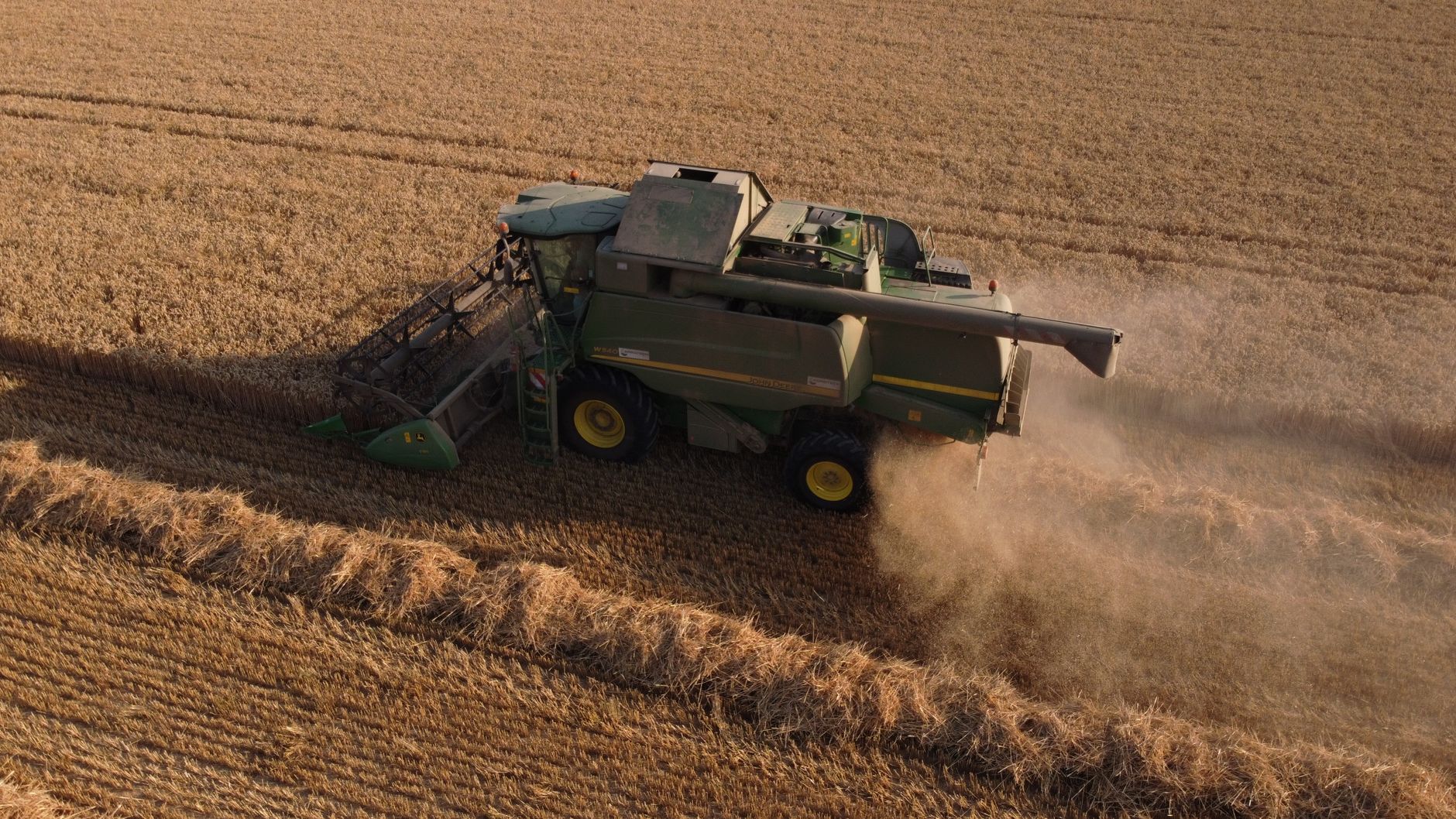
Breaking News: Deere Bets Big on Precision Agriculture
Deere & Company disclosed a landmark, decade-long bet on precision agriculture and a larger U.S. manufacturing footprint, anchored by a $20 billion commitment. On the fiscal Q2 2026 earnings call, CFO T. Brent Norwood outlined the framework, framing it as a strategic shift toward software-enabled farming and smarter machines. The move is touted as the deere’s billion precision push, signaling more than capital outlays—it aims to reshape Deere’s revenue mix and impact how investors view the stock.
What the Plan Covers
The core commitment is a ten-year capital program designed to accelerate Deere's precision agriculture capabilities while expanding domestic manufacturing capacity. The plan emphasizes See & Spray automation, deeper data integration with the John Deere Operations Center, and expanded tooling that links field performance with ongoing service and analytics.
- Hardware and software convergence: scaling precision spraying and automated field-management tools across more acres with tighter data loops to improve inputs and yields.
- Digital platforms: strengthening the Operations Center ecosystem to convert field data into recurring revenue through subscriptions and value-added services.
- Domestic manufacturing: leveraging U.S.-based facilities to shorten supply chains, speed launches, and bolster supplier resilience.
- R&D emphasis: boosted investment in AI, robotics, and automation to keep Deere at the forefront of farm-tech innovation.
Why It Matters for Deere and Investors
The plan aims to do more than widen Deere's footprint; it seeks to create a blended revenue stream composed of traditional machine sales, software subscriptions, and data-driven services. If successful, this mix could lift margins and provide a more durable growth profile than hardware alone. Analysts and investors will be watching how quickly software and services can scale alongside hardware.
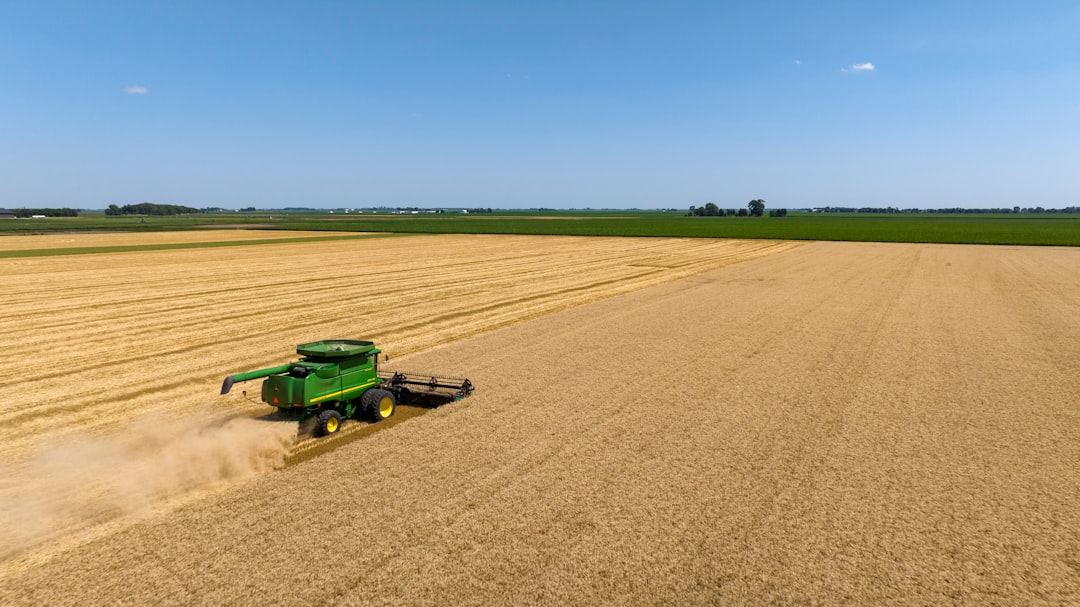
On the manufacturing front, Deere has stressed that a substantial share of U.S. demand could be supported by a more localized supply chain. During the call, Norwood highlighted that roughly 80% of Deere's U.S. complete machine sales are produced domestically, and about 75% of essential components are sourced from U.S. suppliers. Those ratios could offer resilience against global supply-chain shocks and help sustain competitive pricing in a tight market.
As part of the early signal, Deere said the initiative is already yielding tangible digital traction, with See & Spray integrated into more acres and more farmers relying on the Operations Center to guide field decisions. The company’s leadership suggested that the initiative is intended to smooth the transition from pure equipment sales to a more balanced model that includes data-driven services.
Current Scale and Early Indicators
Deere has already begun building scale around precision agritech. See & Spray usage has grown steadily, with the technology reportedly deployed to millions of acres globally in recent seasons. The Operations Center is reporting rising monthly active users as farmers seek to synchronize equipment, field data, and agronomic recommendations. In the latest quarter, Deere’s R&D outlays rose to about $583 million, up from $549 million a year earlier, underscoring the company’s commitment to integrating software, sensors, and automation with traditional machinery.
Early data points also underscore the potential benefits of precision farming—farmers who adopt targeted spraying and data-guided practices have shown meaningful reductions in chemical use and improved field performance in select trials. Deere framed these early results as indicative of a longer-term shift toward higher-value, software-enabled offerings rather than one-off hardware upgrades.
Implications for the Stock and Market Pulse
For investors, the deere’s billion precision push represents a potential inflection point. The plan implies higher near-term capital expenditure and a longer path to meaningful margin uplift, but it also offers the potential for durable software revenue and higher machine utilization. In a period of rapid AI and automation buzz in agriculture, Deere’s scale could translate into a leadership position if execution aligns with ambition.
Market participants are weighing how this blended strategy could alter Deere’s growth trajectory and risk profile. A successful rollout would strengthen Deere’s portfolio by combining long-lived machinery with subscription-based services and data-driven decisions that persist beyond the initial sale. Critics caution that the transition requires disciplined capital allocation and a clear path to recurring revenue growth to offset any near-term margin headwinds.
Risks and Market Context
There are several headwinds to monitor. Adoption of precision agriculture tech can be uneven across regions and farm sizes, which could slow the pace at which software revenue scales. Supply chain delays, commodity price cycles, and credit conditions for farmers could influence demand signals for high-tech equipment. Additionally, intense competition from other OEMs and startups expanding their digital ecosystems could pressure pricing and feature differentiation.
Macro factors will also shape the cadence of Deere’s progress. Interest-rate shifts, government incentives for precision farming and ag-tech investments, and global trade dynamics may either support or restrain the pace of hardware adoption and software monetization. In this context, the next earnings cycle will be telling as investors look for concrete milestones on adoption rates, margin progress, and software revenue growth.
What to Watch Next
- Milestones for See & Spray expansion: pipeline, acreage coverage, and field-performance data across key crops and geographies.
- Software and data-services traction: subscription growth, retention, and cross-sell into Deere’s hardware ecosystem.
- Capex updates: shifts in the $20 billion plan, tax incentives, and supplier-contract dynamics that could influence margins.
- Macro and policy backdrop: commodity prices, farm lending conditions, and regulatory changes affecting ag-tech deployment.
Conclusion: A Bold Bet on the Future of Farming
The deere’s billion precision push embodies a bold strategy to fuse heavy equipment with digital farming. If Deere can translate capital into accelerated adoption of precision tools and a thriving software platform, the company could redefine the economics of farming technology and offer investors a rare blend of durable growth and real-world impact. As markets digest AI-driven agriculture chatter, Deere remains a focal point for how a traditional industrial giant evolves into a hybrid hardware-software machine provider.
Discussion