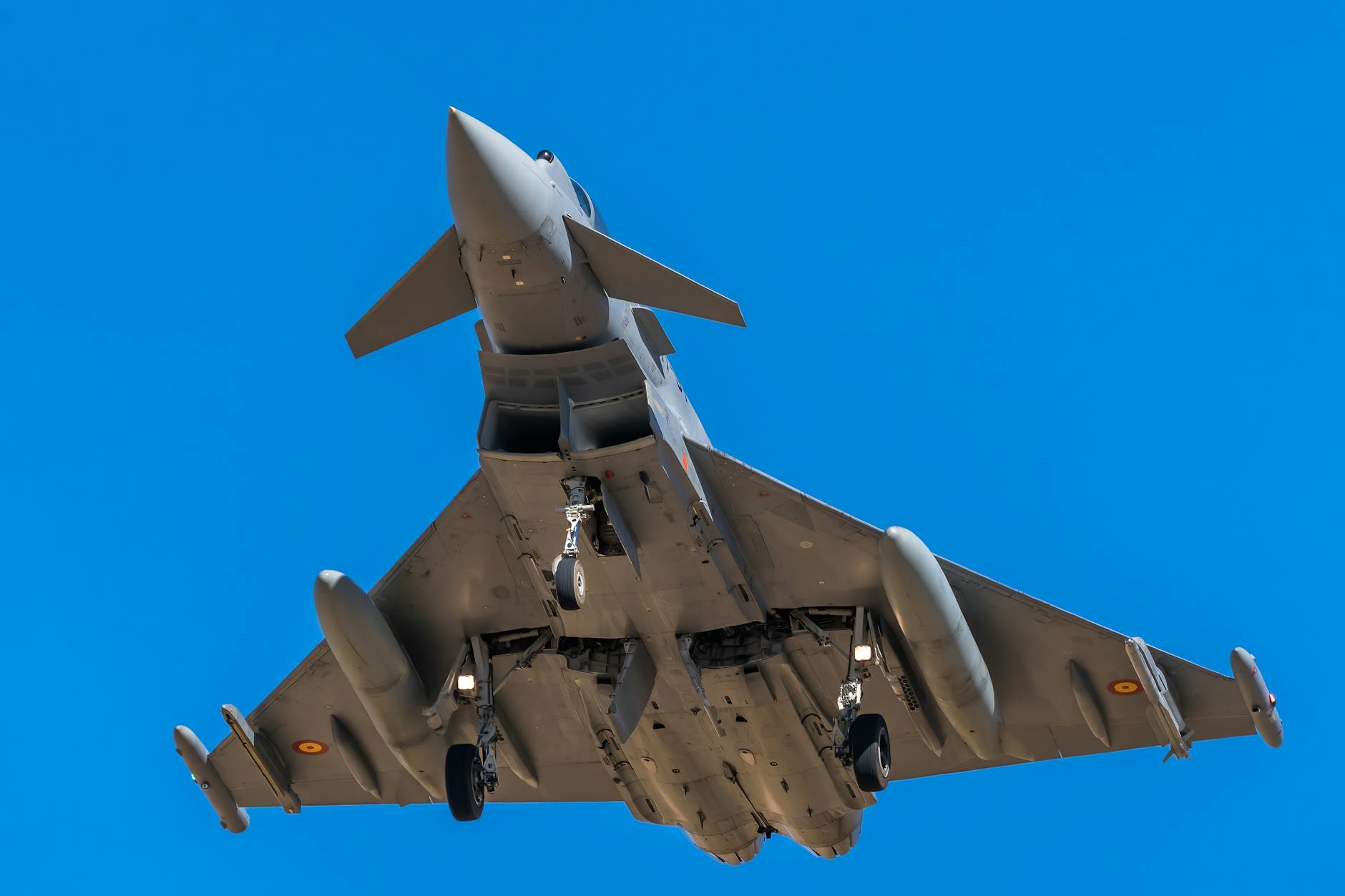
Market Context: Europe Expands Its Rearming Drive Into 2026
Europe is accelerating a longstanding rearming cycle, driven by multi-year defense commitments and evolving security needs across NATO members. Officials say sustained budgeting and procurement reforms are shifting orders toward European contractors while also boosting sales from U.S. primes operating in Europe.
Industry observers describe the shift as structural rather than transitional, with governments carving out longer planning horizons that smooth demand for weapons systems, ammunition, and modernization programs. Dr. Elena Moretti, a defense market strategist at Global Edge Research, notes that the shift is becoming embedded in policy rather than a one-off response to current tensions. "Europe's rearming cadence is becoming a long-term policy fixture rather than a temporary surge," Moretti said. "The multi-year framework reduces demand volatility and supports steady revenue streams for both European manufacturers and U.S. primes."
Three ETFs to Watch in the Europe Rearming Phase
Investors looking to tap the Europe rearming cycle have several ETF options, each offering a distinct tilt. The following funds illustrate how you can gain varied exposure to European producers, U.S. defense exporters, and specialized munitions makers as budgets extend through 2026 and beyond.

EUAD — SELECT STOXX Europe Aerospace & Defense ETF
EUAD targets European aerospace and defense names, providing exposure to domestic contractors and integrators that benefit from EU procurement cycles and national budget priorities. The fund’s lineup tends to skew toward diversified defense players rather than pure play munition makers, giving it a broad swing through Europe’s rearming push.
- Top exposures often include major European defense firms with established domestic footprints.
- Liquidity is solid for a Europe-focused sector ETF, enabling easier entry and exit for tactical positioning.
- Performance and valuation reflect Europe’s defense policy cycle and commodity price swings affecting the sector.
As part of the current environment, EUAD offers a way to ride European procurement momentum without relying exclusively on a single country or program. In the view of several analysts, the ETF serves as a barometer for European defense spending patterns and domestic manufacturing strength.
ITA — I Shares U.S. Aerospace & Defense ETF
ITA is the largest and most liquid defense ETF listed in the United States. It captures U.S. prime contractors that supply the global market, including several programs routed through Foreign Military Sales to European customers. The fund’s size and depth provide a readily accessible channel for investors seeking broad exposure to U.S. defense growth alongside European exposure through cross-border orders.
- Exposures commonly feature U.S. industry leaders with extensive international programs and export capabilities.
- Liquidity is a key advantage, helping traders implement tactical moves around geopolitical updates and budget expectations.
- Historical performance has benefited from steady U.S. military demand and global FMS activity, with sensitivity to geopolitics and budget cycles.
ITA’s model reflects how U.S. defense globalization supports European customers through sales and services while giving investors a liquid, diversified entry point to the broader aerospace and defense sector amid Europe’s rearming environment.
MISL — FIRST TRUST Indxx Aerospace & Defense ETF
MISL takes a tilt toward munition makers, missiles, and defense technologies that often ride the push to fill specific gaps in NATO inventories. The fund emphasizes stock selection within advanced propulsion, precision-guided munitions, and related supply chains that can experience heightened demand during extended procurement cycles.
- Concentrated exposure to ammunition and guided-weapon segments can lead to stronger performance when inventories are being replenished aggressively.
- Strategic focus on niche suppliers enhances diversification away from broad base defense names.
- Volatility can rise when defense policy shifts affect specific programs or export controls complicate supply chains.
For investors who believe the Europe rearming trend will continue to prioritize supply-chain resilience and advanced munitions, MISL offers a targeted entry that complements broader defense exposure from EUAD and ITA.
Risk and Forward-Looking Considerations
Putting capital to work in defense ETFs europe rearming involves several caveats. Budget cycles, political coalitions, and export controls can create earnings volatility even when long-term demand remains intact. Additionally, shifts in European security posture or changes in NATO command structures could alter procurement priorities across countries.
Analysts emphasize that a multi-ETF approach can help balance exposure to European contractors, U.S. primes, and specialized munition suppliers. The current climate for defense etfs europe rearming is not a one-trick trade; it reflects a broader, long-duration cycle that could extend through 2026 and into the next decade as alliance members maintain elevated readiness levels.
Investors should monitor policy signals, such as multi-year defense budgets, procurement reform in member states, and the pace of FMS agreements that connect U.S. firms with European customers. Economic factors like currency movements, defense-related commodity prices, and global supply chain resilience will also influence performance across EUAD, ITA, and MISL.
Bottom Line: How to Position in a Europe Rearming Era
The Europe rearming phase presents distinct routes for investors. EUAD provides direct exposure to European manufacturers adapting to new budget cycles, ITA captures the resilience of U.S. defense sales in a broadly diversified way, and MISL targets the niche segments most likely to see inventory replenishment and modernization programs financed by NATO members.
The evolving environment underscores the idea that the defense etfs europe rearming theme is a structural shift rather than a temporary push. For investors seeking exposure aligned with rising European defense outlays, the case for a diversified mix of these three funds remains compelling, especially as NATO commitments consolidate into longer-term spending plans.
In practice, portfolios may allocate to EUAD for region-specific exposure, complement with ITA for a global defense backbone, and add MISL to capture munition and advanced-weapon systems momentum. Over the course of 2026 and beyond, this trio can help investors participate in a disciplined, multi-year rearmament cycle rather than chase short-term winners.
Discussion