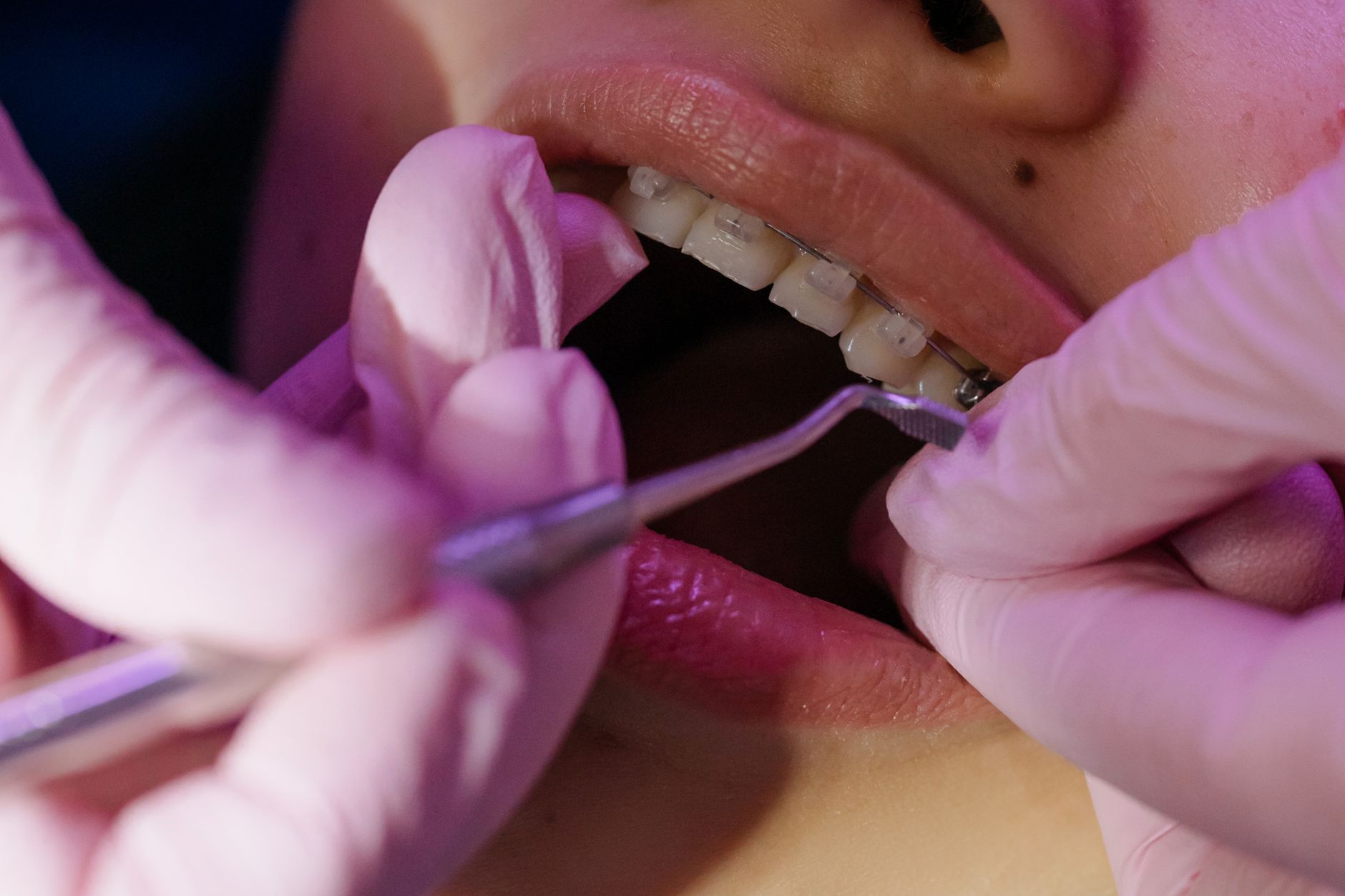
Brace bills rise earlier as orthodontists screen younger kids
For families across the United States, orthodontic expenses are no longer confined to the high school or college years. In 2026, many practitioners start evaluating jaw development and bite alignment as early as age seven, prompting earlier treatment plans and cost exposure. The shift means braces bills can arrive years sooner and recur for multiple children, compounding the hit to cash flow.
Experts warn that what once looked like a teenage expense can become a multi-year, multi-child burden. A typical three-child scenario can easily translate into $15,000 to $30,000 in orthodontic costs over a decade, depending on treatment complexity and plan duration. Families usually tap a mix of savings, monthly cash flow, and occasional loans to cover these bills, but some are exploring an alternative path: creating an income stream that covers the braces bill without denting principal for future needs.
Don’t your kids’ braces become a retail investor puzzle for parents who want to protect retirement assets while meeting immediate family needs? The answer hinges on balancing safety, yield, and time horizon in an environment where rates and prices move in tandem with market sentiment.
The dividend-income approach gains traction among forward-looking families
Several households are turning to dividend-producing investments as a way to shoulder orthodontic costs while keeping retirement capital intact. The idea is simple: build or shift a portfolio toward stable, income-generating assets that deliver a reliable annual cash flow, which, in turn, can fund periodic braces payments without dipping into the principal earmarked for college, housing, or grandchildren.
In practice, investors are layering income assets with long-term growth options to smooth volatility and preserve purchasing power. Utility stocks, real estate investment trusts (REITs) with structured payout policies, and certain blue-chip equities with proven dividend histories have become the backbone of these plans. The objective is to produce cash now while maintaining growth magnets for the long run.
Key data points often cited by advisors include a hypothetical $75,000 portfolio generating around 5% in annual yield. That setup could produce about $3,750 per year in cash flow—enough to cover several braces installments without tapping the principal. While no past performance guarantees future results, the framework offers a disciplined alternative to chasing high-yield scares or dipping into retirement savings too early.
Market context: why this strategy matters in 2026
The current market backdrop features higher-for-longer interest rates and a volatile equity environment, which has nudged many investors toward reliable cash flow rather than speculative growth. Dividend stocks and income-focused funds have held up comparatively well when volatility spikes, making them attractive for families seeking predictable braces funding alongside their longer-term retirement plan.
As rates plateau, the spread between safe yields and mortgage or college expenses can widen, putting pressure on household budgets. In this climate, a well-structured, diversification-driven dividend portfolio offers a credible path to cover ongoing orthodontic costs without compromising college funds, mortgage plans, or time-sensitive retirement goals.
Industry observers caution that no single approach fits all families. The right move depends on risk tolerance, tax considerations, and the age of children. Still, the core idea endures: create an income stream that aligns with your time horizon and goals, while the rest of your assets continue to work toward long-run security.
“This is not about cashing out retirement accounts today,” explains Maria Chen, a certified financial planner who advises families on tax-efficient income strategies. “It’s about layering dependable cash flow on top of a plan that already assumes a long retirement, with braces costs treated as a scheduled expense rather than a financial crisis.”
Practical steps to build a braces-income portfolio
- Define the budget: Map out typical braces payments per child, total for the family, and timing across years.
- Choose a core income allocation: Focus on dividend-paying utilities, REITs with solid payout histories, and select blue-chip equities known for stability.
- Estimate cash flow targets: Aim for a sustainable annual yield that covers annual braces costs with a cushion for taxes and fees.
- Balance growth and income: Pair income assets with a growth sleeve to prevent capital erosion and to meet long-run needs like college funding or home equity goals.
- Review and rebalance: Revisit the portfolio at least annually to adjust for tax implications and changing braces schedules.
It’s worth noting that investments like NextEra Energy (NEE), Southern Company (SO), and Realty Income (O) are often cited as dividend anchors due to their policy-driven payouts and track records. Investors should consider diversification, sector risk, and personal tax situations when building a plan that supports braces payments and retirement goals.
Risks to weigh before committing capital
While the dividend-income approach offers a logical path, it is not without caveats. Primary concerns include sector concentration risk, interest-rate sensitivity, and the impact of dividend cuts in downturns. A portfolio heavily weighted toward a single industry—however reliable its payouts—can suffer if that sector enters a downturn or regulatory change raises costs for the issuer.
Taxes matter, too. Qualified dividend rates can vary by account type, and some accounts will incur higher tax bills for short-term gains or non-qualified distributions. Parents must balance after-tax cash flow against braces expenses and other obligations, ensuring that the strategy remains sustainable through different market cycles.
Another critical factor is the time horizon. The original braces plan may require up to a decade of regular payments, which warrants a portfolio designed to endure. Growth components can help protect purchasing power, but they also introduce volatility that could affect cash flow if the plan delivers less in tough markets.
What to do today if you’re weighing this approach
First, quantify the expense before choosing a path. A precise, year-by-year view of braces costs across all children provides a solid baseline for any income strategy. Then assess your current retirement plan: can you reallocate a portion of your existing investments toward dividend-focused assets without compromising long-run security?
If you’re curious about the compatibility of this approach with your finances, consider a quick consult with a fiduciary advisor who specializes in retirement planning and tax-efficient investing. The idea is not to replace your retirement strategy but to strengthen it with a predictable, dedicated payment stream for braces bills.
Bottom line: balancing braces costs with retirement goals
The reality for many families today is straightforward: braces bills are arriving earlier, more often, and for more children. The question becomes less about whether you should pursue an income-focused strategy and more about how you implement it—without undermining long-term plans. And yes, the question can sound blunt: don’t your kids’ braces push you to rethink how you save and invest for the future?
Across markets in 2026, investors are increasingly embracing plans that deliver consistent cash while protecting principal over time. For families facing rising orthodontic bills, this disciplined approach offers a practical blueprint: create a dependable braces-income stream now, while your long-term goals—college, home, and retirement—continue to grow in the background.
Discussion